The Silent Profit Killer You Might Be Ignoring
If you're a contractor juggling multiple projects, here's a critical question: how confident are you that every bit of work you complete gets billed to the client? Chances are, some of it slips through the cracks. It's not that you're careless — it's the reality of managing complex projects with disconnected systems and manual processes.
Think about it. A single missed line item in a Bill of Quantities (BOQ) can quietly bleed thousands from your bottom line. And if you're managing multiple projects, that number multiplies. It's like having a leaky bucket. You might not notice it right away, but over time, it adds up to a significant loss.
In this article, we'll explore how revenue leakage happens, how to address it effectively, and how to choose the right tools to protect your profits. We'll also cover frequently asked questions and provide actionable steps to help you gain control of your billing processes.
How Does Revenue Leakage Happen?
Revenue leakage in construction and contracting is often the result of poor billing practices. Here are the most common culprits:
1. Unstructured Measurement-to-Invoice Chains
Without a clear workflow, it's easy to miss invoicing for completed work. For example, if you're relying on manual handoffs between site supervisors and the finance team, a delay or miscommunication can result in missed billable items. This often occurs when teams work in silos, using spreadsheets or outdated tools that lack integration.
Actionable Fix: Create a structured workflow that tracks every step, from work completion to invoicing. Use software tools that can digitally log work progress, link it to BOQs, and trigger invoice generation automatically.
2. Over-Billing Disputes
When clients question the accuracy or authenticity of charges, it delays payments and creates friction. Even if the work was completed, a poorly documented or unclear invoice can lead to unnecessary disputes, eroding trust and cash flow.
Actionable Fix: Maintain an auditable trail of all work completed. Use digital tools that align completed tasks with BOQs, photos, and client approvals. This creates transparency and speeds up dispute resolution.
3. Manual Billing Processes
Manual processes are prone to human error. Forgetting to include a task or miscalculating unit rates can easily lead to revenue loss. Moreover, manual processes slow down the invoicing cycle, which directly affects cash inflows.
Actionable Fix: Automate billing processes wherever possible. Use software that calculates invoices based on predefined templates and project progress, reducing human error and maintaining accuracy.
4. Inflexible Billing Methods
A one-size-fits-all approach to billing often doesn't align with the varied complexities of client contracts. For example, some projects require milestone-based billing, while others may need monthly invoicing. Using a rigid billing system can lead to gaps or errors.
Actionable Fix: Adopt a system with flexible billing options that can be tailored to different project requirements. This ensures that no work, however unique, goes unbilled.
The result of these issues? Uninvoiced work, delayed payments, and lost revenue. And manual patchwork solutions won't cut it. You need a structured, automated approach to eliminate these inefficiencies.
The Role of Enterprise Software in Fixing Billing Gaps
This is where enterprise software solutions, like JobNext, come into play. Designed specifically for contractors, JobNext tackles the root causes of revenue leakage head-on. Let’s dive deeper into how its features solve common billing problems.
Six Billing Methods Tailored for Contractors
-
RA Bills (Running Account Bills): Ideal for projects where billing is tied to periodic progress. This ensures that you get paid incrementally as the project progresses.
- Example Use Case: A long-term construction project where work is completed and inspected in phases.
-
Stage-Wise Billing: Perfect for projects with predefined milestones. Payments are triggered only when specific stages are completed.
- Example Use Case: A large-scale infrastructure project with clear milestones like foundation, framing, and finishing.
-
Monthly Billing: Best suited for ongoing services or retainer contracts. This method ensures a predictable cash flow.
- Example Use Case: Maintenance contracts or long-term service agreements.
-
Supply BOQ Billing: Covers materials supplied separately from labor, ensuring that both are tracked and billed independently.
- Example Use Case: A project where you supply HVAC units but subcontract the installation.
-
Combined Billing: Merges multiple small invoices into one, simplifying accounts for large projects.
- Example Use Case: When handling multiple work orders under a single client project.
-
One-Time Billing: For projects completed in a single go, like small repairs or isolated installations.
- Example Use Case: A one-day roofing repair job.
Each method ensures that every piece of work, no matter how small, is captured and billed. The software automatically links each invoice to the corresponding BOQ and project milestones, creating a transparent, auditable trail.
Real-Time Visibility for Better Control
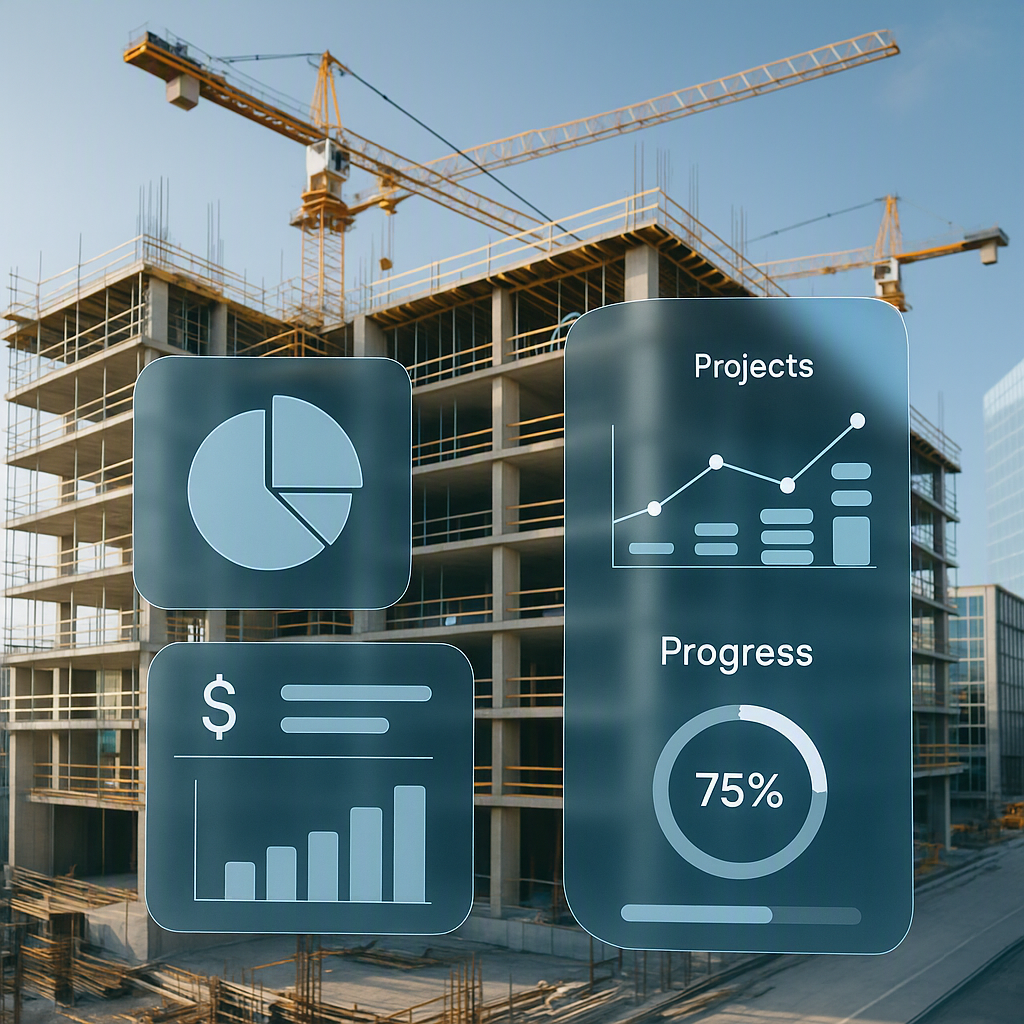
Another game-changer? Real-time tracking of project profitability. With JobNext, every cost — from material procurement to labor hours — is updated in real-time and matched against the approved budget. This allows you to identify margin erosion and take corrective action immediately.
Why Does Real-Time Tracking Matter?
- Proactive Decision-Making: Spot underperforming areas before they spiral out of control.
- Accurate Forecasting: Predict cash flow and profitability with greater accuracy.
- Client Communication: Provide clients with up-to-date project progress and billing information, reducing disputes.
For example, imagine you're managing an HVAC installation project. You've completed 80% of the work, but the client has only been billed for 50%. JobNext's real-time dashboards would flag this discrepancy, allowing you to address it before it becomes a major issue. You’d know exactly which line items haven’t been billed and can take immediate corrective action.
What to Watch For When Choosing Software
Not all enterprise solutions are created equal. When evaluating your options, look for the following features to maximize your return on investment:
| Feature | Why It Matters |
|---|---|
| Multiple Billing Methods | Flexibility to match the billing method with specific project and contract requirements. |
| Real-Time Dashboards | Enables immediate visibility into project costs, progress, and discrepancies. |
| Audit Trails | Ensures transparency and makes it easier to resolve billing disputes. |
| Integration Capabilities | Seamless integration with other tools like Tally or QuickBooks for smooth financial reporting. |
| User-Friendly Interface | Minimizes the learning curve and reduces onboarding time for your team. |
The Bottom Line
Revenue leakage might be a silent profit killer, but it’s not unbeatable. With enterprise software like JobNext, you can enforce structured billing workflows, prevent unbilled work, and protect your margins. It’s not just about automating processes; it’s about gaining control over your business finances.
If you're ready to stop margin erosion and take control of your billing, JobNext can help. Get started today →
Learn more at JobNext.ai - Construction ERP