Technology in Construction: Not Optional Anymore
If you're still running construction projects with spreadsheets, paper forms, and phone calls, you're bleeding money. The harsh truth? Contractors who adopt technology outperform those who don't — consistently, and by a wide margin. Margins in this industry are razor-thin already (2-7% on average). Can you afford not to evolve?
The Numbers Don't Lie
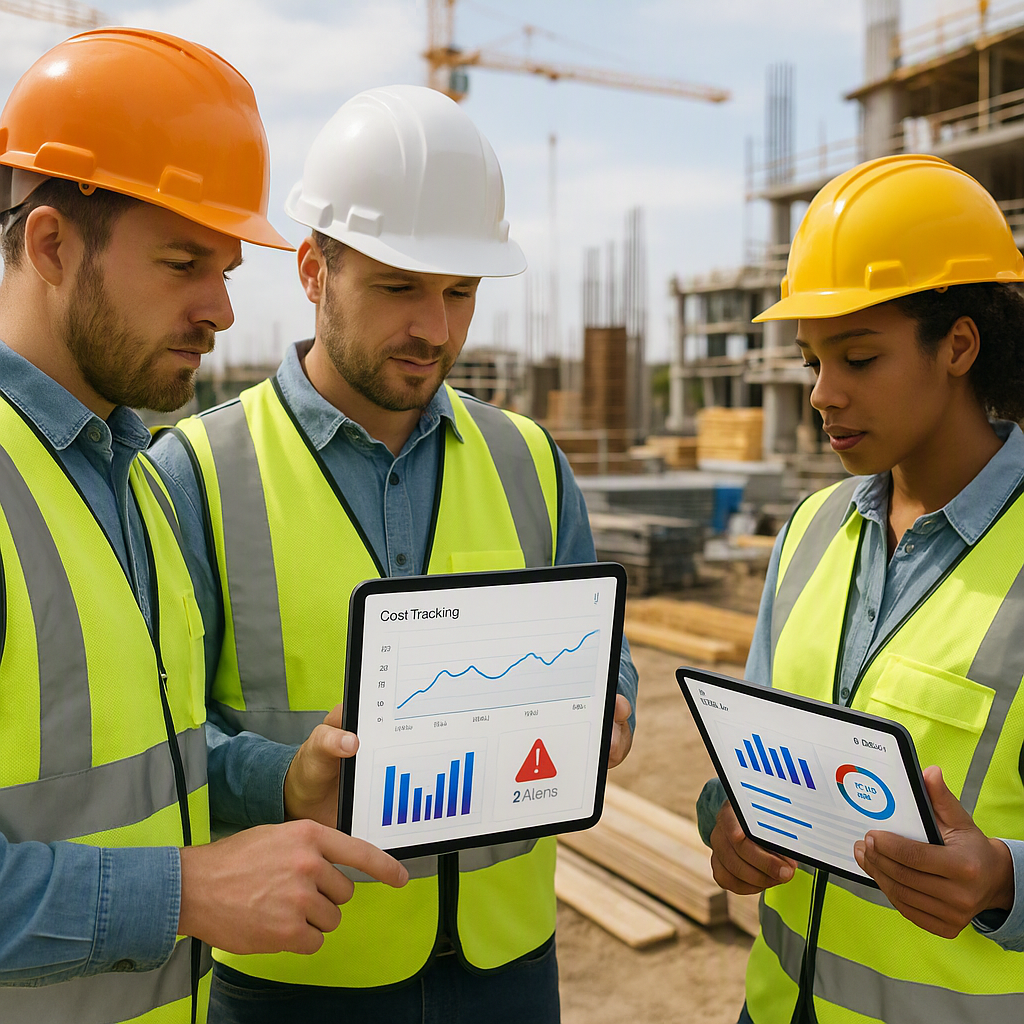
Firms using modern construction management platforms report 20-30% higher profitability and 50% faster project completions. Why? Because they can see everything in real time — costs, schedules, equipment, labor. Compare that to old-school approaches where updates trickle in days (or weeks) later. By the time you notice a problem, it's a crisis.
Take a look at this case study on Al Nab’a Services. They streamlined operations across 1,200 sites using a unified ERP system. The result? Payroll processing dropped from 21 days to 48 hours. Imagine what that level of efficiency could do for your projects.
What Tech-Savvy Contractors Get Right
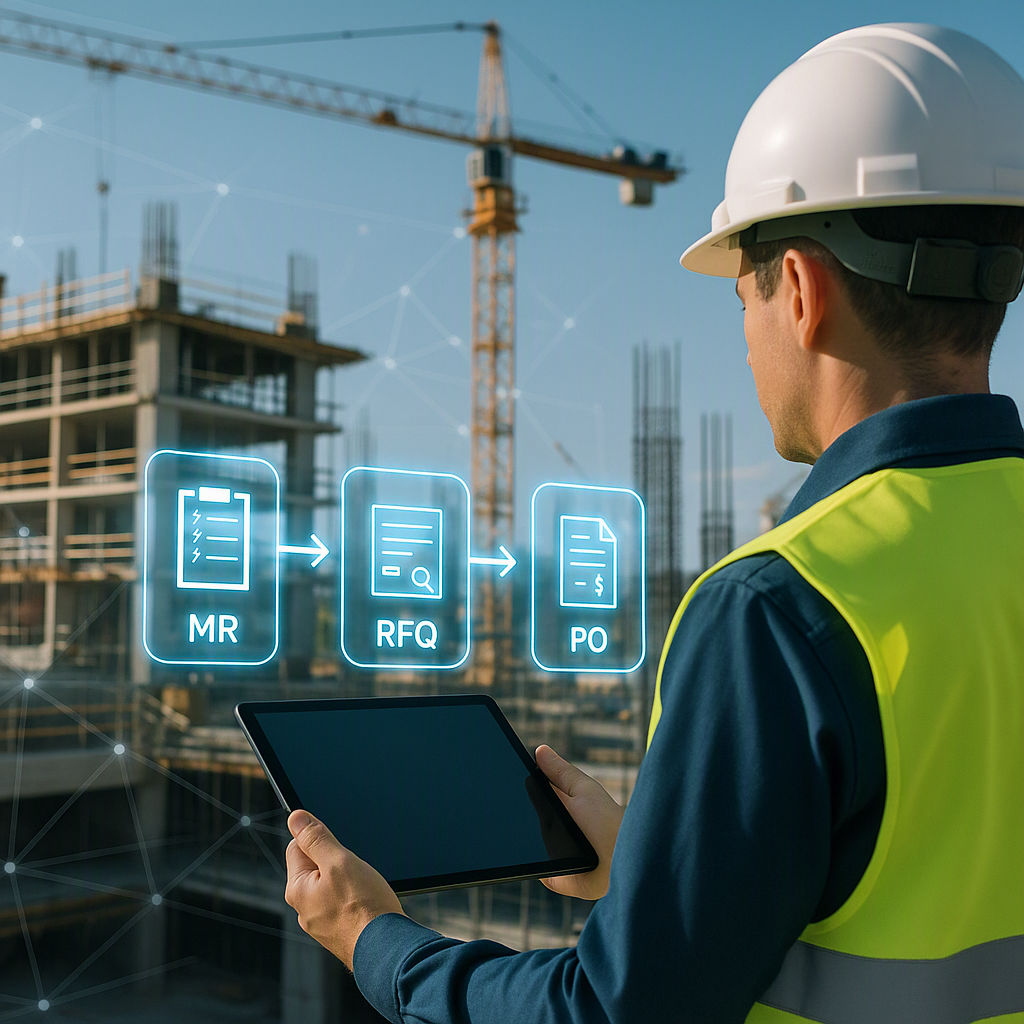
- Real-Time Visibility: Tools like JobNext ERP let you track costs, schedules, and resources in one place. No blind spots. No last-minute surprises.
- Better Collaboration: Field teams and office staff stay in sync with mobile apps. Decisions get made faster because everyone's working off the same info.
- Accurate Bidding: AI-powered estimating tools, like those mentioned in this article, predict costs with up to 97% accuracy. That’s not a guess — it’s data-driven precision.
- Compliance & Risk Management: Whether it’s meeting local regulations or managing safety protocols, digital systems reduce the human error that can cost you millions.
The Obvious Objection: It's Expensive
Sure, implementing an ERP or other tech isn’t cheap. But neither is project delay or losing bids to more efficient competitors. The key is to start small. Phased rollouts, like the ones outlined in this roadmap, minimize risk and maximize ROI. You don’t need to overhaul everything on Day 1. Focus on your biggest pain points, fix those, and build from there.
The Cost of Doing Nothing
You might think, "Our current system works fine." But does it really? Fragmented tools and manual processes create inefficiencies that pile up over time. According to a study cited here, 42% of workers find tool fragmentation frustrating, and it directly impacts productivity. In an industry where every dollar counts, that’s a problem you can’t ignore.
The Bottom Line
Technology adoption isn’t just about staying competitive; it’s about survival. The market is moving, and the gap between tech-savvy firms and tech-averse ones is only getting wider. The good news? It's not too late to start. Choose one area — project management, bidding, payroll — and invest in the right tools. Your team (and your bottom line) will thank you.
For more practical advice on getting started, check out this no-nonsense roadmap.
Learn more at JobNext.ai - Construction ERP