Procurement Chaos: A Common Pain Point in Construction
Procurement is the backbone of any construction business. But let’s be honest—managing procurement is often a nightmare. You have material requisitions coming from multiple project sites, vendors sending incomplete quotes, and purchase orders stuck in approval bottlenecks. Add last-minute purchase requests and manual errors into the mix, and your margins take a hit before you even break ground.
Here’s the kicker: It doesn’t have to be this way. Enterprise software solutions offer structured procurement workflows that eliminate chaos and enforce budget discipline. But how do they actually do this? Let’s break it down.
The Problem with Disconnected Systems in Procurement
Most small to mid-sized contractors use a mix of spreadsheets, emails, and standalone tools to manage procurement. While this might work for a single site or small operation, it quickly falls apart when you’re running multiple projects across different locations.
Consider this scenario: A site manager requests materials via email, your procurement manager forwards it to a few vendors, and quotes come back in multiple formats—some via WhatsApp, others by email, and maybe even a call or two. Then begins the juggling act of comparing apples to oranges, manually entering data into spreadsheets, and trying to ensure you’re getting the best deal.
What’s the outcome? You spend hours chasing approvals, you overpay for materials, or worse, you delay your project because the materials didn’t arrive on time. This kind of chaos can significantly impact your project margins and timelines.
Unified Procurement Workflows: A Practical Fix
Enterprise software solutions solve this by bringing all procurement activities into a single, structured workflow. Here’s how it works:
-
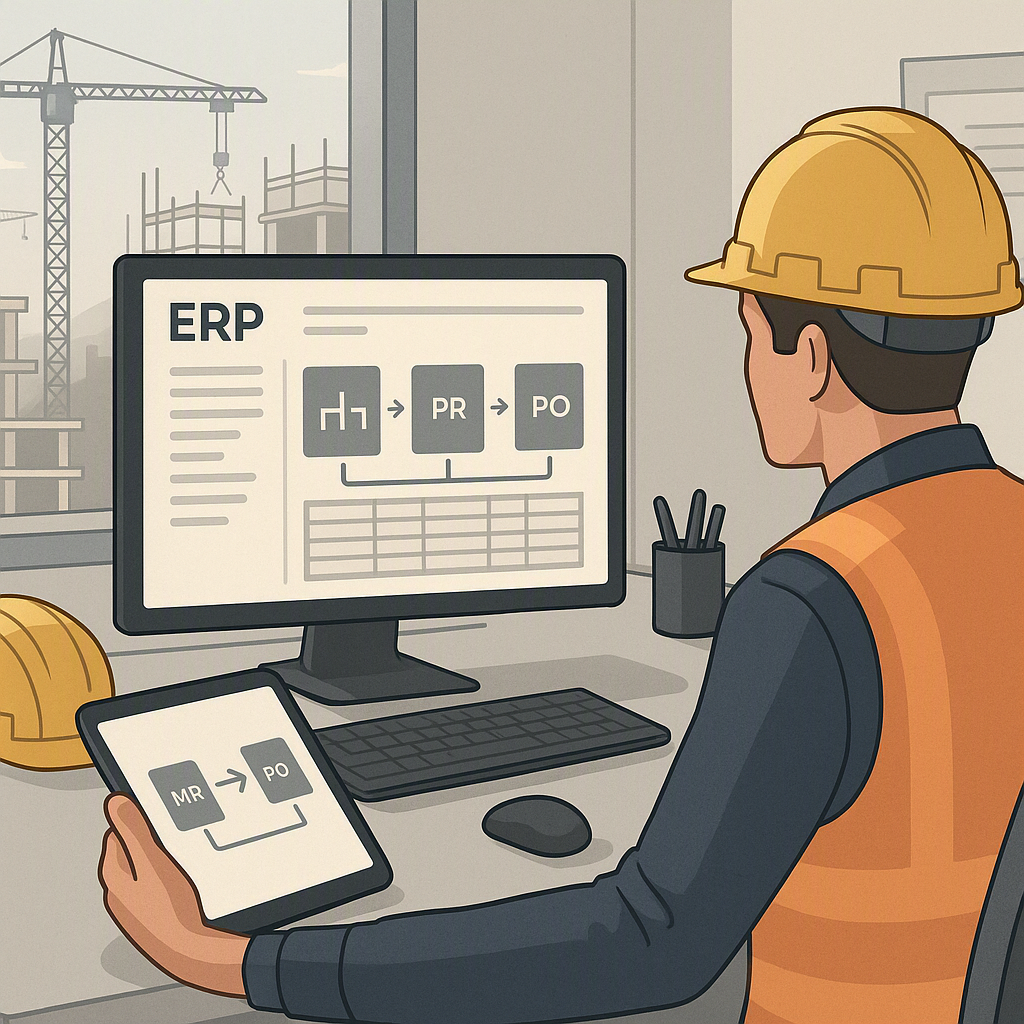
Material Requisition (MR): Site managers raise material requests directly in the system. Each MR is linked to a project and checked against approved budgets, so you immediately know if you’re overspending.
-
RFQ Generation: Once the MR is approved, procurement managers send out RFQs (Request for Quotations) to pre-approved vendors. The system standardizes the RFQ format, ensuring that all vendor quotes are comparable.
-
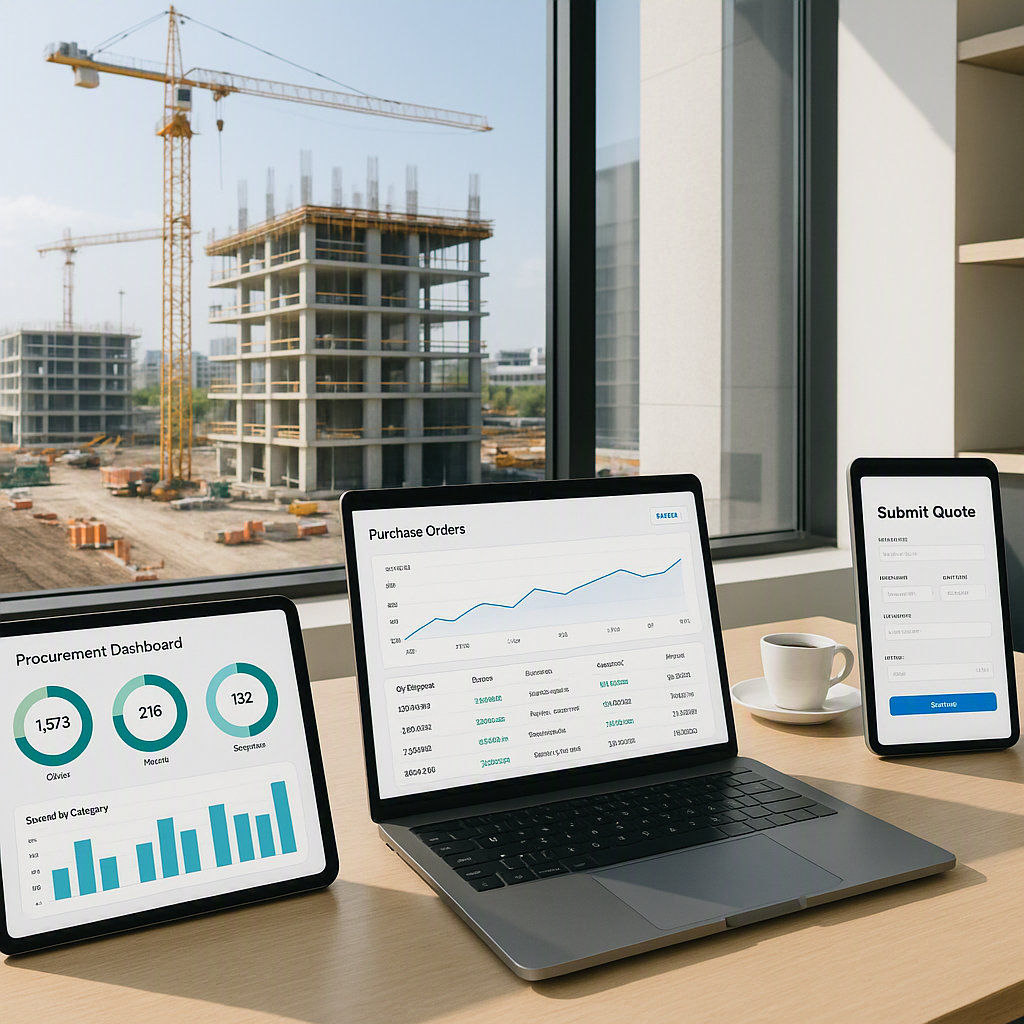
Vendor Offers: Vendors submit their quotations directly in the system or through a dedicated Vendor Portal, eliminating email chaos. The system can help highlight the most competitive offer.
-
Purchase Orders (PO): Once a vendor is selected, the system generates a PO with pre-configured terms and approval workflows. Multi-level approvals ensure that no rogue purchases slip through.
-
Status Tracking: Every step—from MR to PO—is tracked in real-time, so project managers and finance teams can see exactly where things stand.
Real Benefits Contractors See
Why does this matter? Because structured workflows deliver real, measurable benefits:
- Time Savings: No more chasing emails or manually comparing quotes. Procurement managers can focus on strategic tasks instead of firefighting.
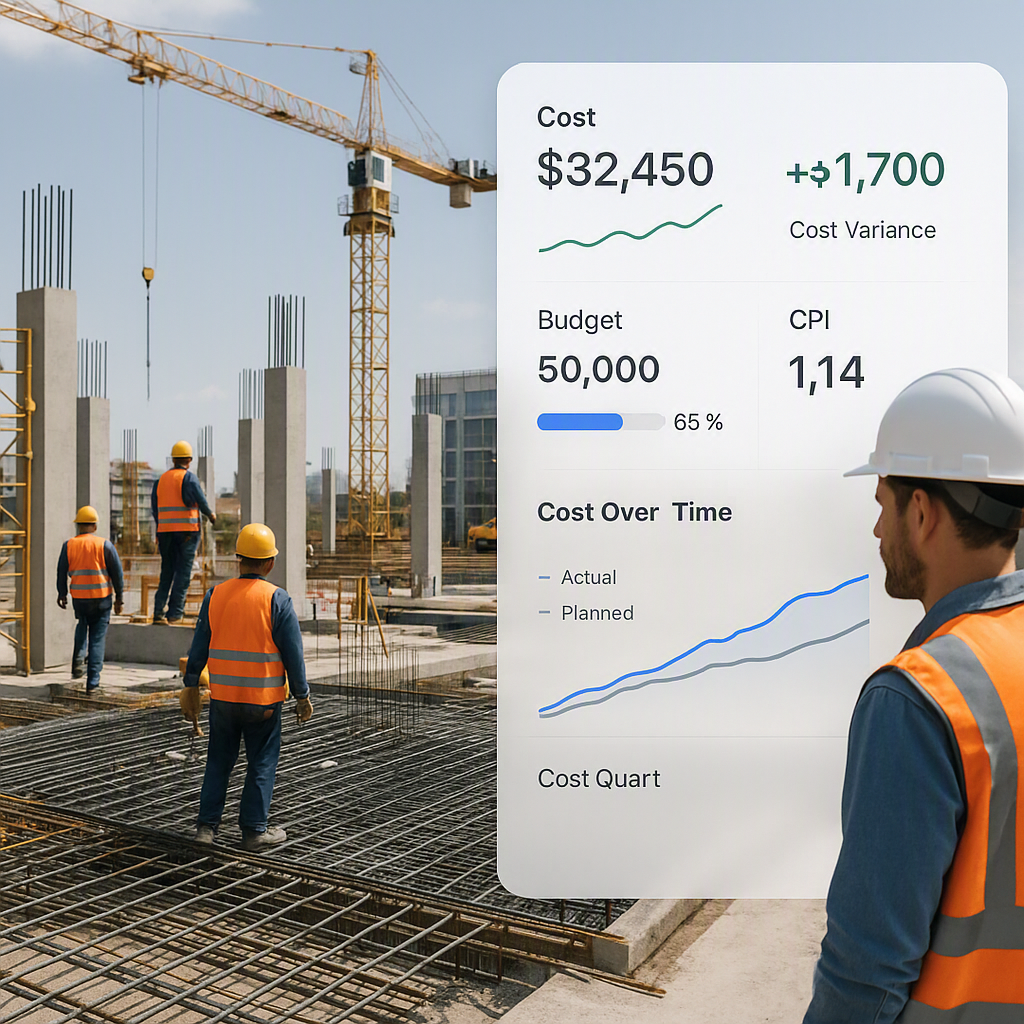
- Cost Control: Every purchase is validated against the project budget, reducing overspending.
- Transparency: Real-time dashboards show exactly who approved what and when, eliminating finger-pointing during audits.
- Vendor Accountability: A centralized Vendor Portal ensures vendors provide complete and comparable quotes, reducing errors and misunderstandings.
Structured procurement workflows protect your margins and ensure smooth operations, making them a valuable investment for any construction business.
Common Objections and Real Answers
You might be thinking, "But enterprise software is too expensive for my business." Here’s the reality: the cost of NOT having a unified system is often much higher. Margins erode, projects delay, and compliance issues pile up. Enterprise software isn’t just a cost—it’s an investment in operational efficiency and profitability.
Another common concern is implementation. Yes, adopting a new system takes time and effort. But modern SaaS platforms are designed to be user-friendly and come with extensive support for onboarding. The short-term effort is worth the long-term gains.
FAQs
1. How do I convince my team to adopt a new system?
Start by showcasing the specific problems the software will solve for them. For example, if your procurement team spends hours chasing approvals, highlight how an automated workflow will save them time and reduce stress.
2. What if my vendors aren’t tech-savvy?
Most enterprise software solutions offer easy-to-use Vendor Portals. Vendors can log in, submit quotes, and track POs without needing extensive training.
3. How long does it take to see ROI?
This varies by business size and complexity, but businesses often see improvements in efficiency and cost savings within a short period after implementation.
4. Can I integrate this with my existing accounting software?
Yes. Many enterprise software solutions integrate seamlessly with popular accounting platforms, ensuring compliance while minimizing manual data entry.
5. What about security?
Modern SaaS platforms use multi-tenant architectures with complete data isolation for each organization. Role-based access controls and approval workflows further enhance security.
The Bottom Line
Disconnected procurement systems can waste time, drain margins, and create unnecessary stress. Unified workflows offer a way out—streamlining procurement, enforcing budget discipline, and protecting profitability.
If procurement chaos is eating into your bottom line, it’s time to act.
Learn more at JobNext.ai - Construction ERP