Understanding Enterprise Software Solutions
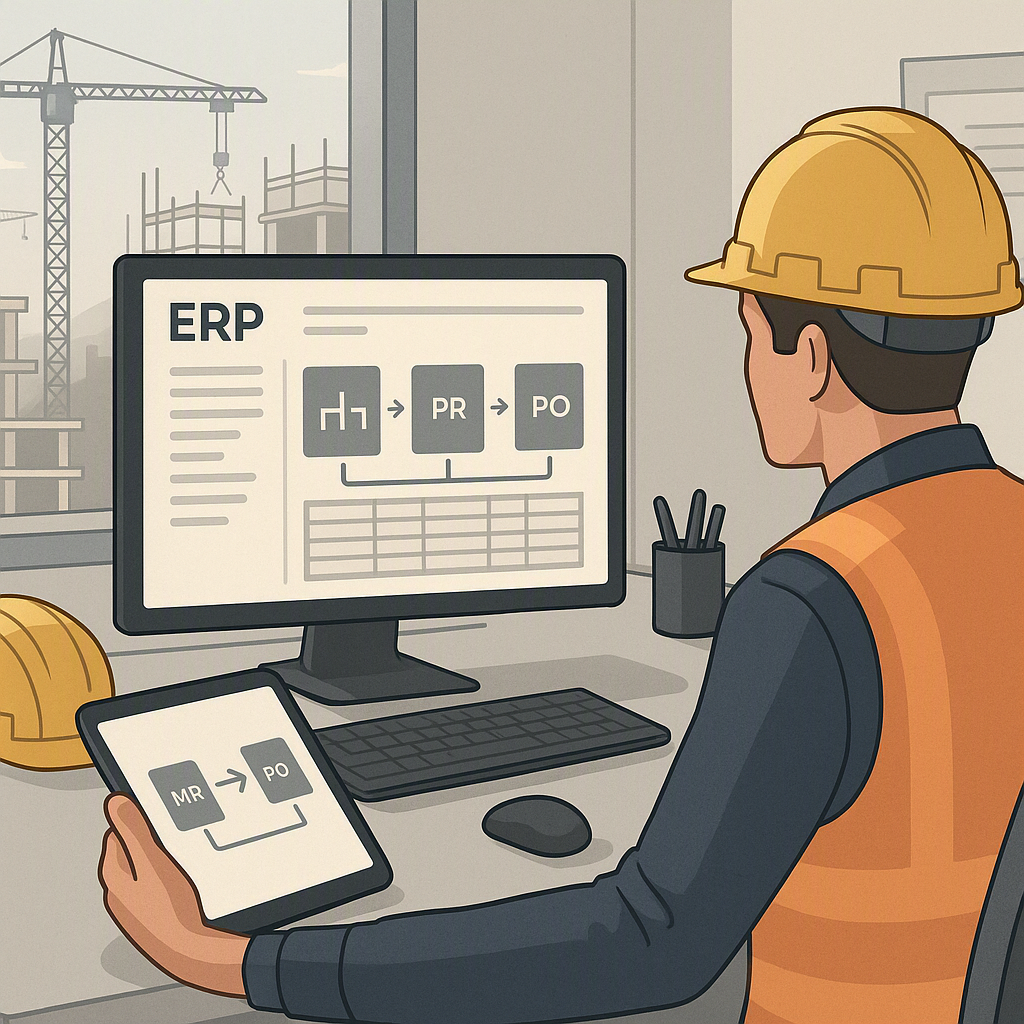
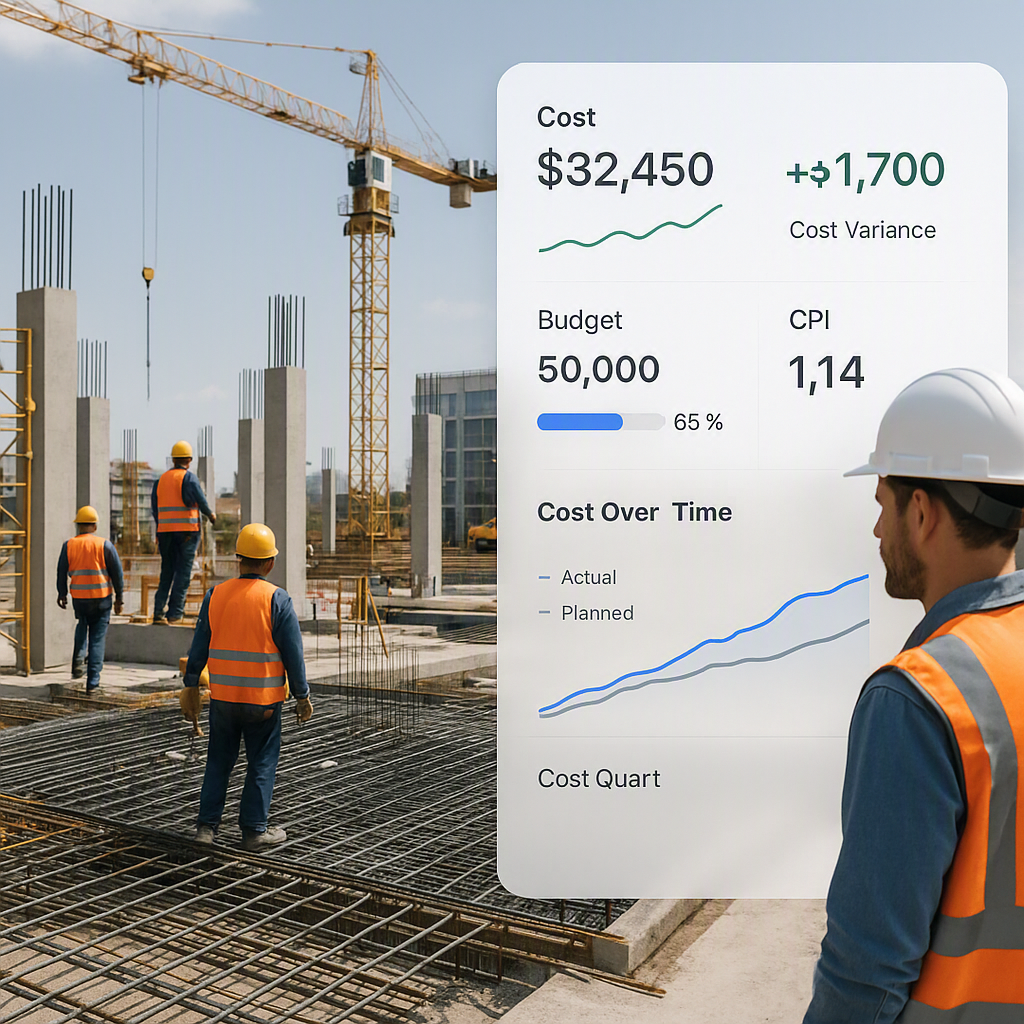
Enterprise software solutions are designed to help businesses streamline operations, improve efficiency, and reduce errors. For construction contractors, these tools can be particularly transformative, addressing challenges such as disconnected systems, manual processes, and revenue leakage.
Tackling Revenue Leakage in Construction
Revenue leakage refers to the loss of potential income due to errors, inefficiencies, or missed opportunities in billing and invoicing. Common causes include:
- Unbilled work: Completed tasks that are not invoiced due to oversight or lack of proper tracking.
- Over-billing disputes: Discrepancies between billed amounts and delivered work, leading to payment delays and strained client relationships.
- Complex contract scenarios: Managing stage-wise payments or combined billing across multiple projects manually can lead to mistakes.
How Enterprise Software Helps Prevent Revenue Leakage
Enterprise software solutions provide structured workflows and automation to address these issues. Here are some key benefits:
1. Ensuring All Work is Billed
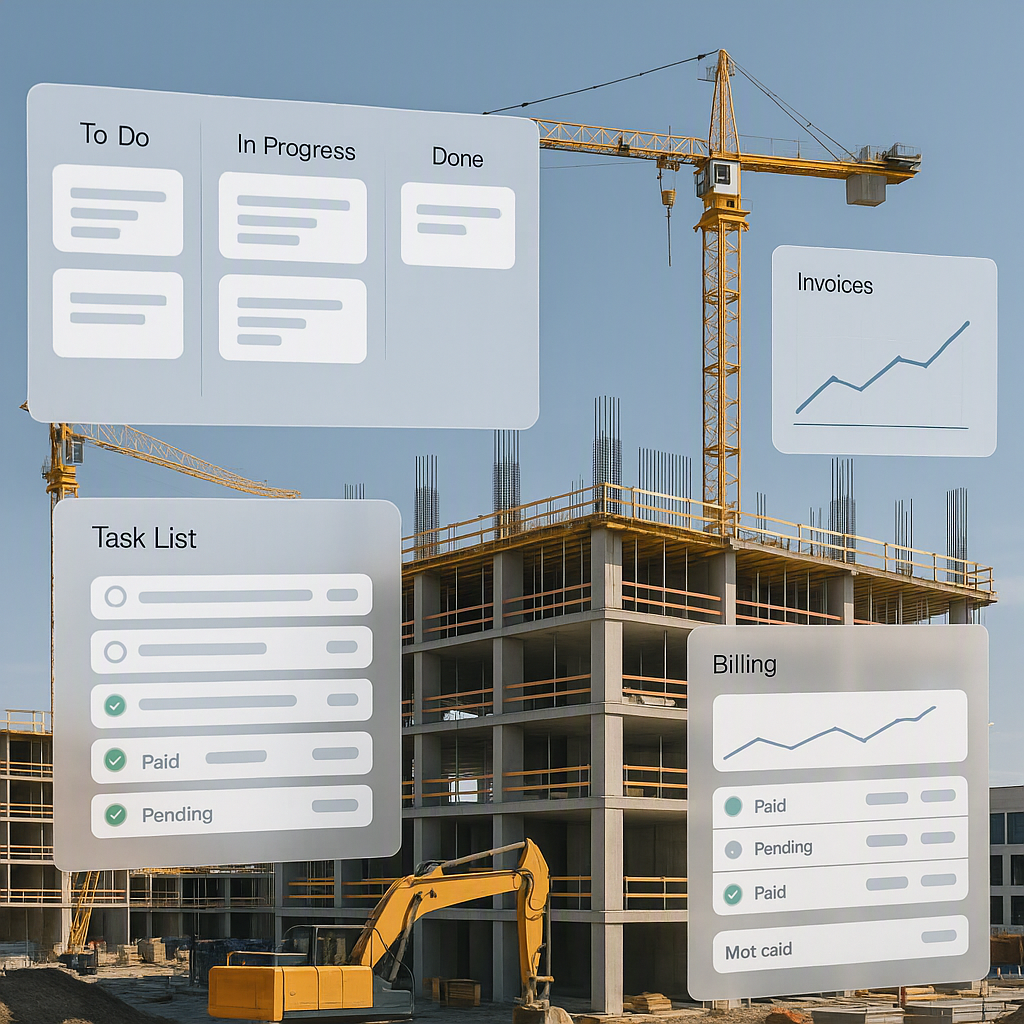
A structured measurement-to-invoice workflow ensures that every completed task is logged, measured, and linked to an invoice. This minimizes the risk of unbilled work and reduces reliance on manual calculations.
2. Reducing Over-Billing Disputes
By implementing locked Bill of Quantities (BOQs) and maintaining auditable measurement trails, enterprise software ensures transparency and accountability. Approved BOQs cannot be altered without proper documentation, reducing disputes and fostering trust with clients.
3. Managing Complex Contracts
Enterprise software offers flexibility to handle various billing methods, such as stage-wise payments, monthly billing, or combined billing across projects. This ensures alignment with contractual obligations and reduces errors.
Common Mistakes Contractors Make
Contractors often face revenue leakage due to small but impactful errors. Common pitfalls include:
- Relying on spreadsheets: While useful for basic calculations, spreadsheets are prone to errors and are not ideal for managing complex billing processes.
- Ignoring change orders: Failing to track and incorporate change orders into billing can lead to lost revenue.
- Delaying invoices: Late invoicing can result in untracked work and difficulties in justifying completed tasks, especially for long-term projects.
FAQs
Q: How do I know if revenue leakage is a problem in my organization?
A: Look for signs such as frequent billing disputes, delayed payments, or unexplained profit dips. If your finance team spends excessive time chasing invoices, revenue leakage might be an issue.
Q: Can enterprise software integrate with my current systems?
A: Yes, many enterprise software solutions are designed to integrate with existing tools and systems, making the transition seamless.
Q: We’re a small contractor. Is enterprise software worth it for us?
A: Absolutely. Revenue leakage can be particularly harmful to smaller firms with tighter margins. Enterprise software is scalable and can be tailored to meet the needs of businesses of various sizes.
Key Considerations for Implementation
- Customization vs. Complexity: While flexibility in billing methods is beneficial, ensure your team receives adequate training to avoid confusion.
- Phased Implementation: Start with critical pain points, such as billing, and gradually expand to other areas.
- Vendor Transparency: Choose a platform with clear pricing and open integration capabilities to avoid vendor lock-in.
Conclusion
Enterprise software solutions are not just for large corporations. For construction contractors, they offer a practical way to streamline operations, prevent revenue leakage, and improve overall efficiency. By addressing common billing challenges, these tools can help businesses thrive in a competitive industry.
Learn more about enterprise software solutions →
Learn more at JobNext.ai - Construction ERP