Revenue Leakage in Construction
If you're running a construction contracting business, you've likely encountered situations where actual revenues fall short of projections. The culprit is often revenue leakage—work completed but not billed properly.
This isn't just a minor accounting error. For contractors operating on tight margins, even small leakages can mean the difference between profit and loss. The good news? Enterprise software solutions can address these issues more effectively than spreadsheets or disconnected tools.
Why Traditional Systems Fail
Most construction businesses still rely on a patchwork of tools for billing—Excel sheets, standalone invoicing software, or even paper-based systems. Here’s what typically goes wrong:
- Missed Milestones: For milestone-based contracts, delays in certifying work progress often lead to delayed or forgotten invoices.
- Manual Errors: Inconsistent data entry across multiple systems leads to discrepancies.
- Unbilled Variations: Changes in the scope of work (like additional BOQs) aren’t always reflected in the billing system.
- Multiple Formats: Different billing methods—RA bills, stage-wise, or combined billing—create complexities that manual systems fail to manage.
Unified Billing Systems: A Game Changer
Unified billing systems offer a structured approach to managing revenue and billing processes. Here’s how they typically work:
- Support for Multiple Billing Methods: Systems often support RA bills, stage-wise invoicing, and monthly billing, ensuring flexibility and reducing missed revenue opportunities.
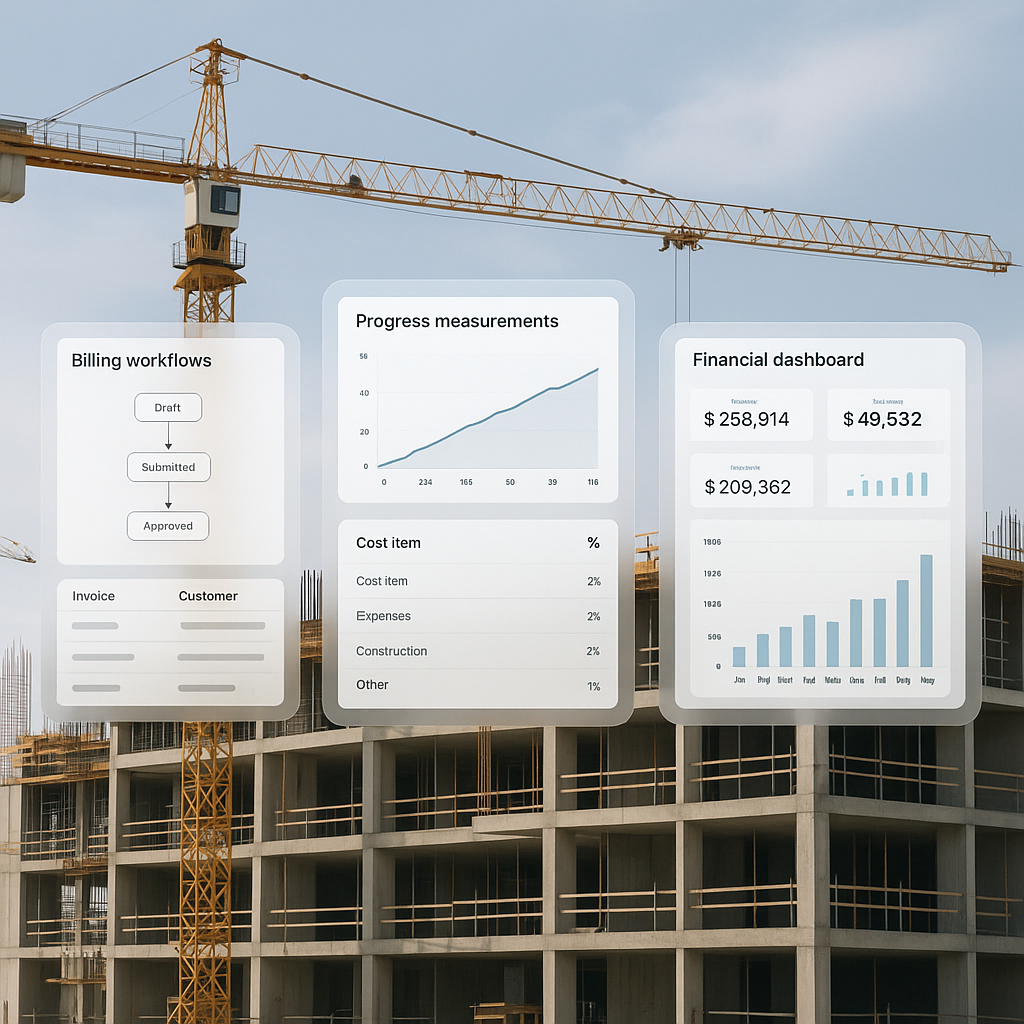
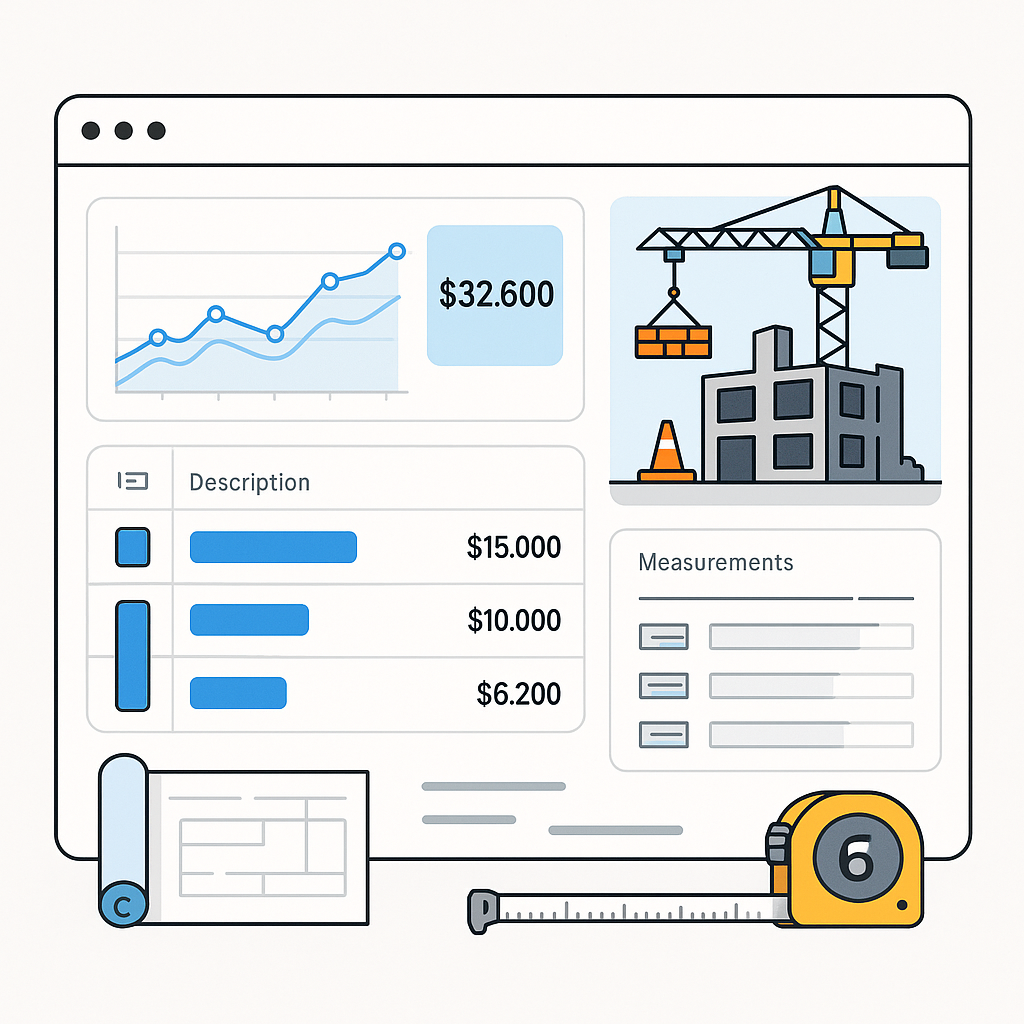
- Measurement-to-Invoice Chain: Work measurements, subcontractor progress, and material usage can be tied directly to invoicing, reducing the risk of unbilled work.
- Approval Workflows: Multi-level approval chains ensure that every invoice is verified before it goes out, reducing disputes with clients.
- Real-Time Updates: Integration with project progress reports ensures you always know what’s been billed and what’s pending.
Illustrative Example — How Unified Billing Can Help
Consider a hypothetical contractor managing multiple projects. Before adopting a unified billing system, they faced significant revenue leakage due to missed invoices and scope changes. After implementation, the system enforced structure: every completed BOQ item had to be measured, approved, and invoiced before moving to the next stage. This approach significantly reduced errors and improved cash flow.
Common Objections to Switching
You might be thinking, "This sounds great, but implementing an ERP system sounds disruptive." Here’s how these concerns are typically addressed:
-
Objection 1: It’s Too Expensive
Many ERP systems operate on a SaaS model, meaning you pay per user/month. This makes them accessible even for smaller contractors. -
Objection 2: It’s Hard to Train My Team
Modern systems are designed with usability in mind, often including intuitive dashboards and live support to ease the transition. -
Objection 3: What If It Doesn’t Work for My Projects?
Construction ERP solutions are often tailored to specific industries, ensuring functionality that aligns with your needs.
FAQ
Q: Can I integrate billing data with my accounting software?
Yes, many systems integrate directly with popular accounting software, ensuring seamless financial reporting.
Q: What if I already use a standalone invoicing tool?
You can migrate existing billing data to a unified system without disrupting ongoing projects. The onboarding process typically includes data import and validation.
Q: Does the system handle subcontractor billing?
Yes, subcontractor measurements and work orders can often be linked directly to the billing module, ensuring alignment between client and subcontractor invoices.
What to Watch For
When implementing a unified billing system, avoid these common mistakes:
- Skipping Data Validation: Always validate historical billing data before migration to avoid garbage-in-garbage-out scenarios.
- Ignoring Training: Even the best ERP won’t work if your team doesn’t know how to use it.
- Customizing Too Much: Stick to standard workflows wherever possible. Over-customization can make future updates a challenge.
Final Thoughts
Revenue leakage is a significant challenge for construction businesses, but it’s also a solvable one. Enterprise software solutions offer a structured way to address inefficiencies in billing and cost tracking, helping businesses protect their revenues and improve cash flow. By adopting a unified billing system, contractors can reduce errors, streamline processes, and focus on what they do best—delivering successful projects.
Learn more at JobNext.ai - Construction ERP