When it comes to running a contracting business, one of the least glamorous but most critical tasks is billing. It’s not just about sending invoices. It’s about ensuring every bit of work you’ve done gets billed accurately and on time. And let’s face it — that’s easier said than done.
The Cost of Billing Errors
Missed invoices, duplicate billing, and disputes with clients over scope — these mistakes aren’t just frustrating. They’re expensive. According to a 2023 McKinsey report, construction companies lose a significant portion of their revenue to billing errors and unbilled work. These issues can have a substantial impact on profitability, especially for contractors operating on tight margins.
The Root of the Problem: Disconnected Systems
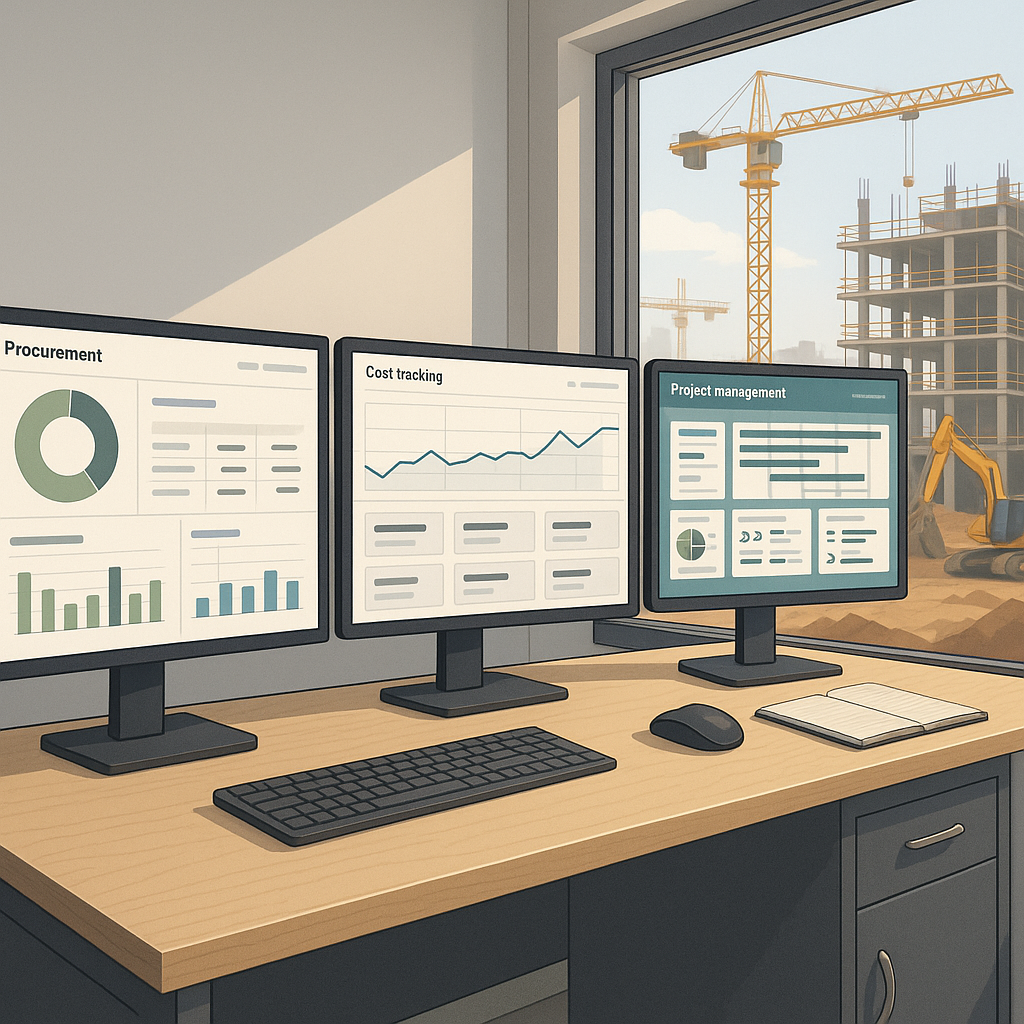
Here’s the thing: billing issues rarely arise because of laziness or incompetence. They’re usually the result of disconnected systems. Your project team uses spreadsheets for progress tracking, your finance team inputs data manually into Tally, and your procurement team has their own Excel chaos. None of these systems talk to each other.
The result? Information silos. Project progress doesn’t automatically trigger an invoice. Material deliveries don’t sync with budgets. And subcontractor work gets measured, but no one follows through on billing for it.
The Solution: Unified Billing in Enterprise Software
This is where enterprise software solutions make a real difference. Instead of juggling multiple tools, these platforms centralize everything into one system. Specifically, billing modules in such software are designed to ensure no revenue falls through the cracks.
Illustrative Example — How Unified Billing Works
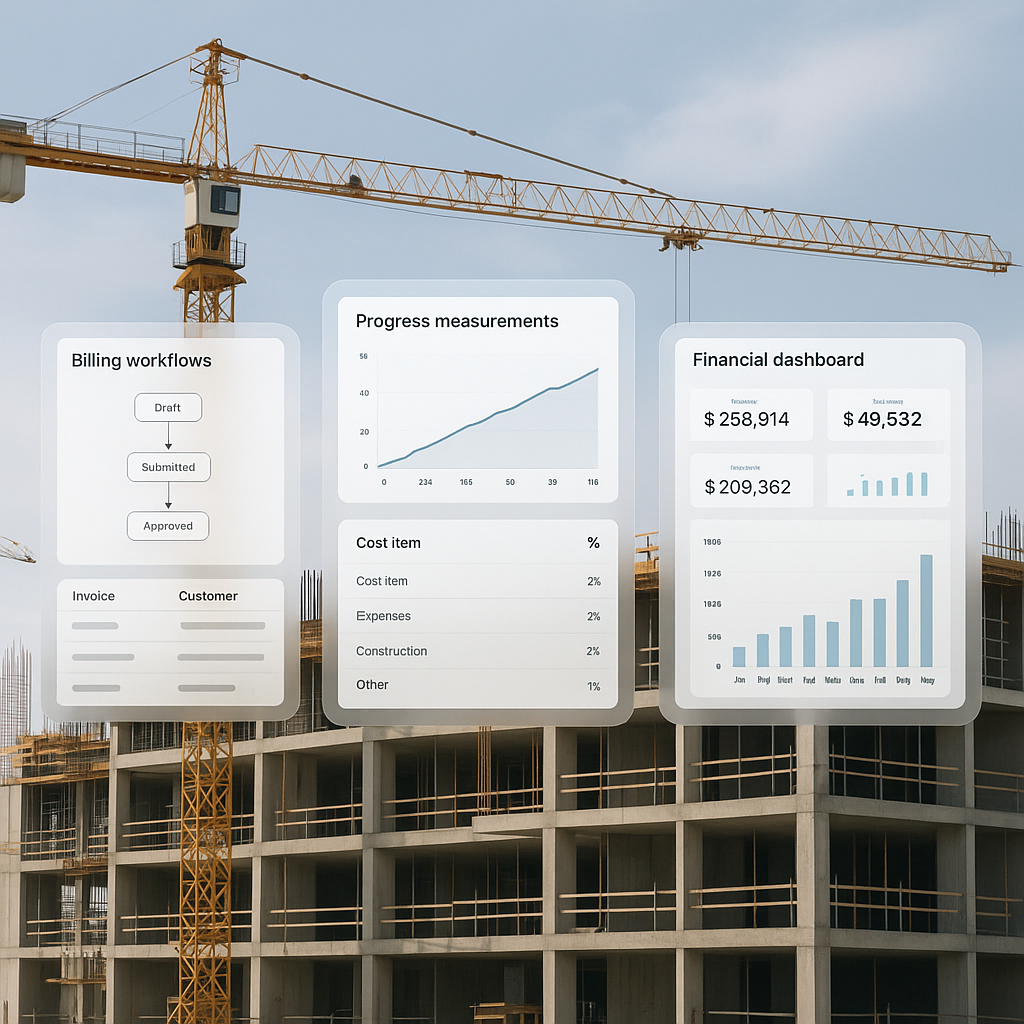
Imagine you’re a mid-size contractor working on a project with progress-based running account (RA) bills. Each month, your project manager updates the work measurement in the enterprise software. This triggers an automatic RA bill draft, which is linked to the project BOQ and approved budgets.
The system locks the BOQ, ensuring no unauthorized changes creep in. It consolidates multiple invoices for the same client into one document, simplifying communication and reducing disputes. Once the client certifies the work, the invoice integrates directly with your finance module, tracking payments and aging.
This structured measurement-to-invoice chain doesn’t just save time. It eliminates missed billing opportunities and prevents over-billing disputes. In short, it protects your margins.
Common Mistakes Contractors Make
- Relying on Manual Processes: Even the most diligent teams make mistakes. Manual systems are prone to human error — and errors cost money.
- Ignoring Subcontractor Contributions: Subcontractor work often gets measured but not invoiced correctly. A unified system ties these together.
- Delaying Invoices: The longer you wait to invoice, the harder it is to collect. Real-time invoicing is non-negotiable.
- Overlooking Contract Variations: Not all contracts are straightforward. Without flexible billing methods, you’re bound to leave money on the table.
FAQs
1. What if my projects use different billing methods?
No problem. Many enterprise software solutions support multiple billing methods, such as RA bills, stage-wise billing, monthly billing, supply BOQ, combined billing, and one-time invoices. You can mix and match methods across projects.
2. How does the system prevent over-billing disputes?
The BOQ is locked at the start of the project, creating an auditable trail. Any variations require documented approval, so there’s no room for “he said, she said” arguments.
3. Is this only for large contractors?
Not at all. Enterprise software solutions are designed to scale with your business, whether you’re managing small or large projects.
4. Can it integrate with my existing accounting software?
Yes, many enterprise solutions integrate seamlessly with popular accounting software for statutory reporting and compliance.
Why It Matters
Billing is more than just an operational task. It’s a strategic lever for protecting margins. The right enterprise software doesn’t just help you send invoices faster. It ensures you send the right invoices — every time.
If billing errors are eating into your profits, consider exploring enterprise software solutions to streamline your processes and secure your revenue.
Learn more at JobNext.ai - Construction ERP