The Challenges of Procurement in Contracting
If you're a contractor managing multiple projects, you know the pain of procurement gone wrong. Requests for materials (MRs) sit in email inboxes. Vendor quotes get lost in WhatsApp threads. Purchase orders (POs) are delayed because approvals are stuck in someone's desk drawer—or worse, forgotten entirely. Sound familiar? This isn't just an operational headache; it's a financial challenge.
Poor procurement workflows can significantly impact your bottom line. Without a structured system to enforce approvals or track costs against project budgets, inefficiencies can add up quickly.
Now, let’s talk solutions.
Why Enterprise Software Solutions Matter
Enterprise software solutions aren’t just for Fortune 500 companies. They're for anyone who wants to replace chaos with clarity. At their core, these systems unify fragmented processes—like procurement—into a single platform. This isn't a luxury; it's a necessity if you're managing multiple projects, vendors, and teams across locations.
Take procurement as an example. In most manual setups, here's what typically happens:
- Material requests (MRs): Written on paper or sent via email and easily lost.
- Vendor quotes (RFQs): Managed ad hoc, with no standardized process for comparison.
- Approvals: Delayed or skipped because there’s no enforced workflow.
- Purchase orders (POs): Generated late, leading to delayed deliveries and project overruns.
These inefficiencies add up. Late materials mean idle crews. Missing quotes mean overpaying for supplies. And unapproved purchases? That’s margin erosion right there.
How Systems Like JobNext Fix It
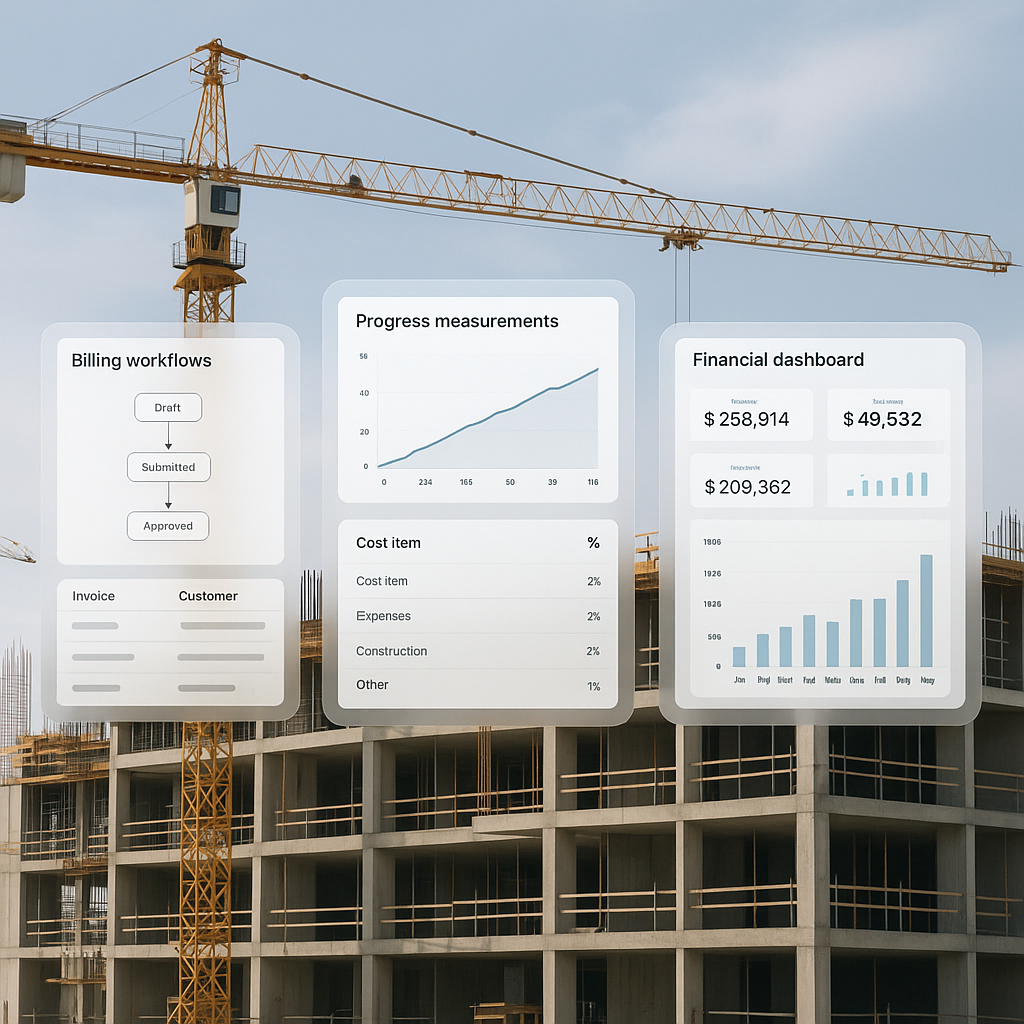
This is where structured workflows come into play. A tool like JobNext transforms procurement from a chaotic mess into a controlled, trackable process. Here’s how:
-
Material Requests (MRs)
- Every material request is logged in the system. No more paper trails or lost emails.
- Each MR is linked to a specific job, BOQ (Bill of Quantities), and budget.
-
Vendor Quotes (RFQs)
- The system generates RFQs automatically and sends them to pre-approved vendors.
- Vendor offers are tracked side-by-side, making it easy to compare apples to apples.
-
Approval Workflows
- Multi-level approval workflows ensure that every request is reviewed. No rogue spending.
- Approvals are time-stamped and auditable, so there's no ambiguity in case of disputes.
-
Purchase Orders (POs)
- POs are auto-generated once approvals are complete, cutting down on delays.
- They’re directly linked to vendor contracts, ensuring terms are followed.
-
Budget Tracking
- Every MR, RFQ, and PO is validated against the project’s approved budget. Overruns trigger alerts, so finance teams can step in before it’s too late.
The result? Improved efficiency and cost control. By eliminating duplicate orders, catching overpriced quotes, and avoiding late delivery charges, businesses can streamline their operations and reduce waste.
Why Manual Systems Don’t Cut It
You might think, “We’ve been managing with spreadsheets and emails so far. Why change now?” Manual systems don’t scale. As projects grow in size and complexity, the cracks in your process turn into gaping holes.
Here’s what often happens:
- Missed Deadlines: Delays in procurement ripple across the entire project timeline.
- Vendor Disputes: Without a clear audit trail, you’re left arguing over who said what.
- Budget Overruns: There’s no way to enforce discipline without real-time tracking.
And let’s not forget compliance. For contractors in India, GST/TDS compliance is mandatory. A manual system can’t handle this efficiently. JobNext, on the other hand, integrates with Tally for seamless statutory reporting.
Practical Steps to Transform Procurement
If you’re ready to fix your procurement chaos, here’s where to start:
-
Map Your Current Workflow
- Identify where delays and errors are happening. Is it at the MR stage? Approvals? Vendor negotiations?
-
Standardize Processes
- Define clear steps for MRs, RFQs, approvals, and POs. Everyone on your team should follow the same rules.
-
Choose the Right Tool
- Look for an enterprise software solution that aligns with your needs. JobNext, for example, is purpose-built for construction and contracting firms.
-
Train Your Team
- No system works if your team doesn’t use it correctly. Invest time in training and onboarding.
-
Monitor and Adjust
- Use analytics and reports to identify bottlenecks. Adjust workflows as needed to keep things running smoothly.
Frequently Asked Questions
1. What’s the ROI of implementing an enterprise software solution?
While ROI varies, many contractors see savings over time. Reduced material costs, fewer delays, and better budget control add up quickly.
2. Can a system like JobNext handle multiple projects?
Absolutely. JobNext is designed for multi-project operations, with tools for job-specific tracking and consolidated reporting.
3. How does this help with compliance?
JobNext automates GST and TDS calculations and integrates with Tally for statutory reporting. This reduces errors and saves time.
4. What if my team isn’t tech-savvy?
Most modern platforms, including JobNext, are user-friendly. With proper training, even non-technical users can adapt quickly.
5. How long does it take to implement?
Implementation timelines depend on your organization’s size and complexity. Larger organizations may take longer to fully integrate.
Ready to Fix Your Procurement?
Procurement chaos doesn’t have to be your reality. Systems like JobNext bring structure, accountability, and efficiency to your operations. Learn more about JobNext →
Learn more at JobNext.ai - Construction ERP