Margin Erosion: A Problem You Can’t Ignore
Let’s start with a hard truth: margin erosion isn’t always obvious. One BOQ item goes over budget here, a subcontractor payment slips through there. Nobody notices until the project is upside down. By then, it’s too late.
Manual tracking often becomes chaotic on larger projects with multiple sites and vendors. This chaos can erode margins faster than expected.
Why Manual Systems Fall Short
Manual systems, spreadsheets, and separate tools worked for smaller contractors. They still do, if you’re running one or two jobs. But for companies with multiple concurrent projects, the scale and complexity overwhelm manual processes. You’re tracking not just costs, but scopes, subcontractors, equipment, and compliance. One missed approval chain can derail the whole system.
What Real-Time Cost Tracking Actually Does
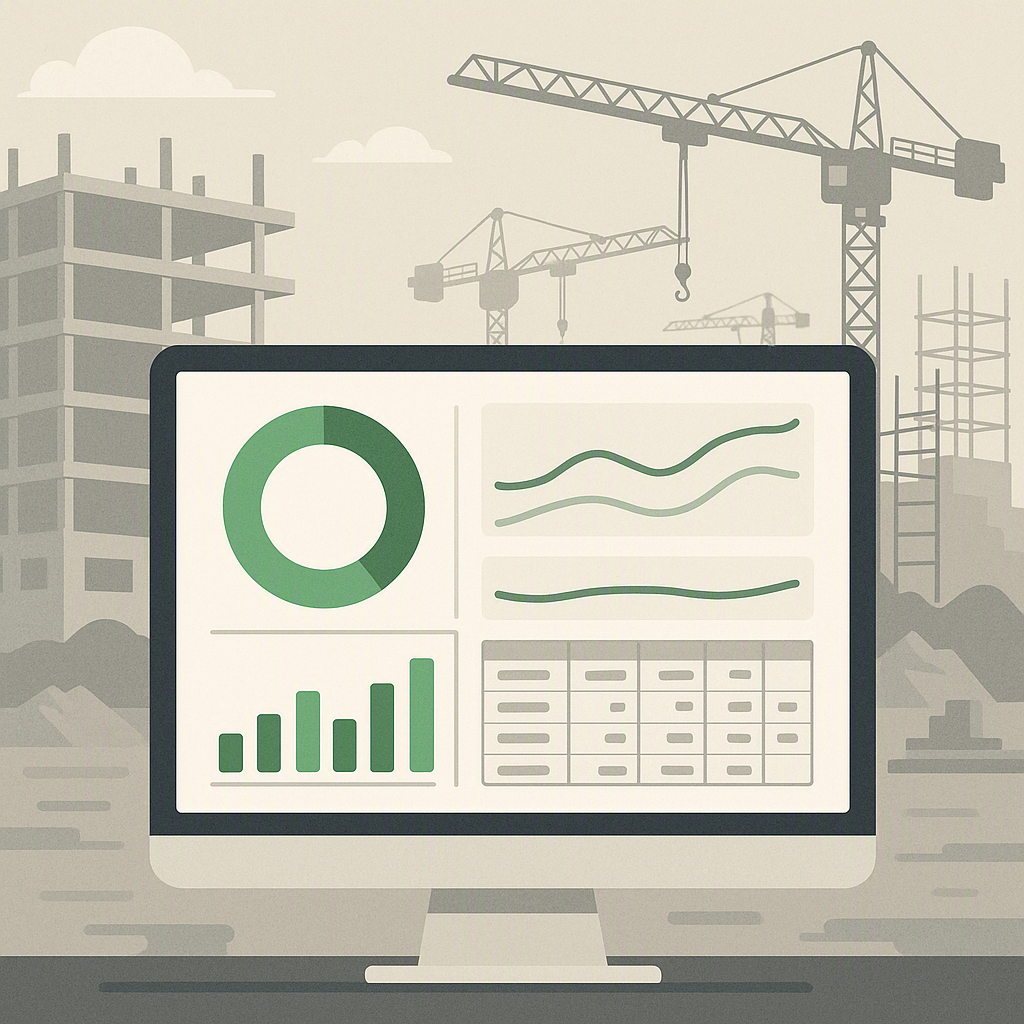
Real-time cost tracking in enterprise software connects every transaction—BOQs, scopes, estimates, invoices, approvals—into a single system. It doesn’t just flag overruns after the fact; it monitors margins live. If a material purchase, subcontractor payment, or equipment hire exceeds the approved budget, the system alerts managers immediately.
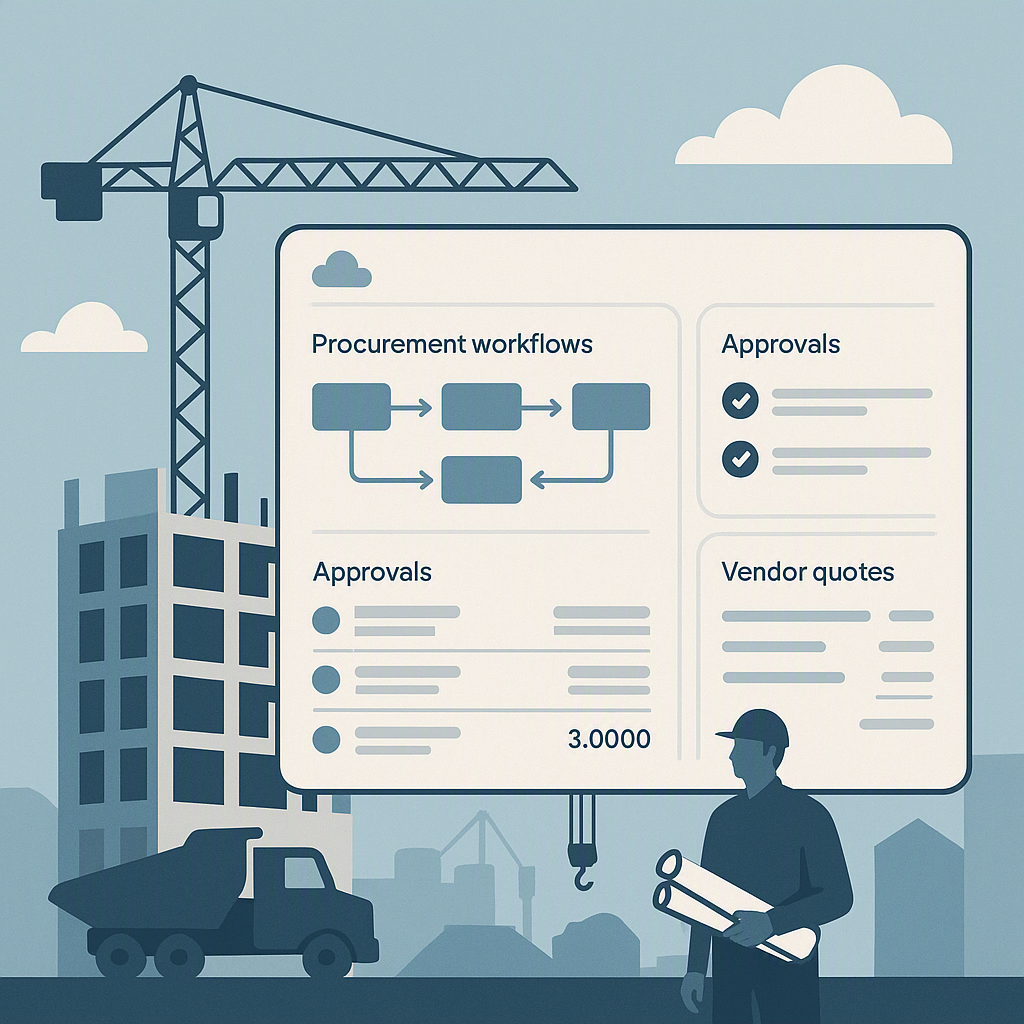
Illustrative example — Imagine you’re running an MEP project. Your BOQ shows a specific budget for electrical fittings. A vendor quote comes in higher than expected. The system flags the mismatch before you issue the PO, helping you avoid an overrun. This proactive approach prevents margin erosion instead of reacting to it later.
Why It Matters for Enterprise Software Adoption
Enterprise software isn’t about making your spreadsheets prettier. It’s about enforcing discipline and visibility across every part of your business. Real-time cost tracking works because it ties everything together: procurement, billing, finance, operations.
Small-to-mid contractors running multiple jobs at once face similar challenges. If you’re juggling vendors, subcontractors, and deadlines, manual processes can lead to costly errors. Enterprise software unifies systems, automates workflows, and enforces approvals to mitigate these risks.
Common Mistakes Contractors Make
- Ignoring approval workflows: A PO without an approval chain is a recipe for overspending. Enterprise software enforces this automatically.
- Treating software as a reporting tool: It’s more than dashboards. Use the automation features—alerts, validations, workflows—to prevent errors upfront.
- Underestimating training needs: If your team doesn’t know how to use the system, adoption will stall. Invest in training, especially for procurement and finance teams.
FAQ
Q: Can’t I just use Excel for cost tracking?
A: Excel works for small projects, but it can’t handle the complexity of multi-site operations. It also lacks automation and real-time alerts. Enterprise software fills these gaps.
Q: What happens if I ignore margin erosion?
A: You’ll feel the impact in your bottom line. Overruns, missed billing, and subcontractor disputes all contribute to profit leakage. Fixing it later is far more expensive.
What It’s Still Missing
Real-time cost tracking isn’t magic. It won’t fix everything. You still need accurate inputs—BOQs, estimates, and vendor quotes. Garbage in, garbage out. And while automation catches most issues, human oversight is still critical for edge cases.
But the cost of staying manual is higher. Enterprise software isn’t just nice to have—it’s the difference between thriving and barely surviving in complex operations.
Learn more at JobNext.ai - Construction ERP