I used to believe enterprise software was just a collection of overhyped tools with fancy dashboards that rarely delivered real results. It felt like a corporate buzzword—something that looked good in boardroom slides but didn't solve ground-level chaos.
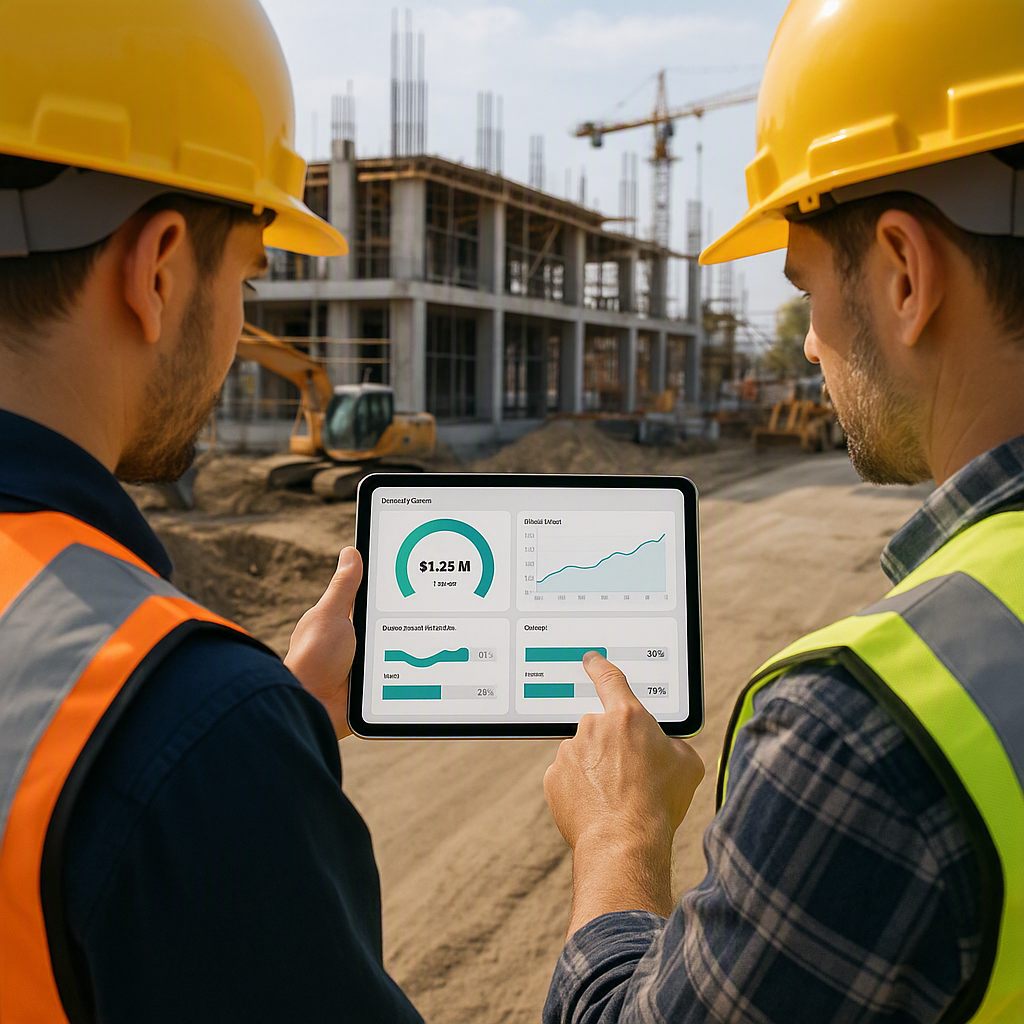
Then I saw real-time cost tracking in action. Specifically, I saw how it helped contractors and project managers identify cost overruns and take corrective actions mid-project.
The Turning Point
Many businesses face challenges like cost overruns, under-quoted estimates, and unexpected subcontractor bills. These issues can erode margins and create financial strain, especially in industries like construction and contracting.
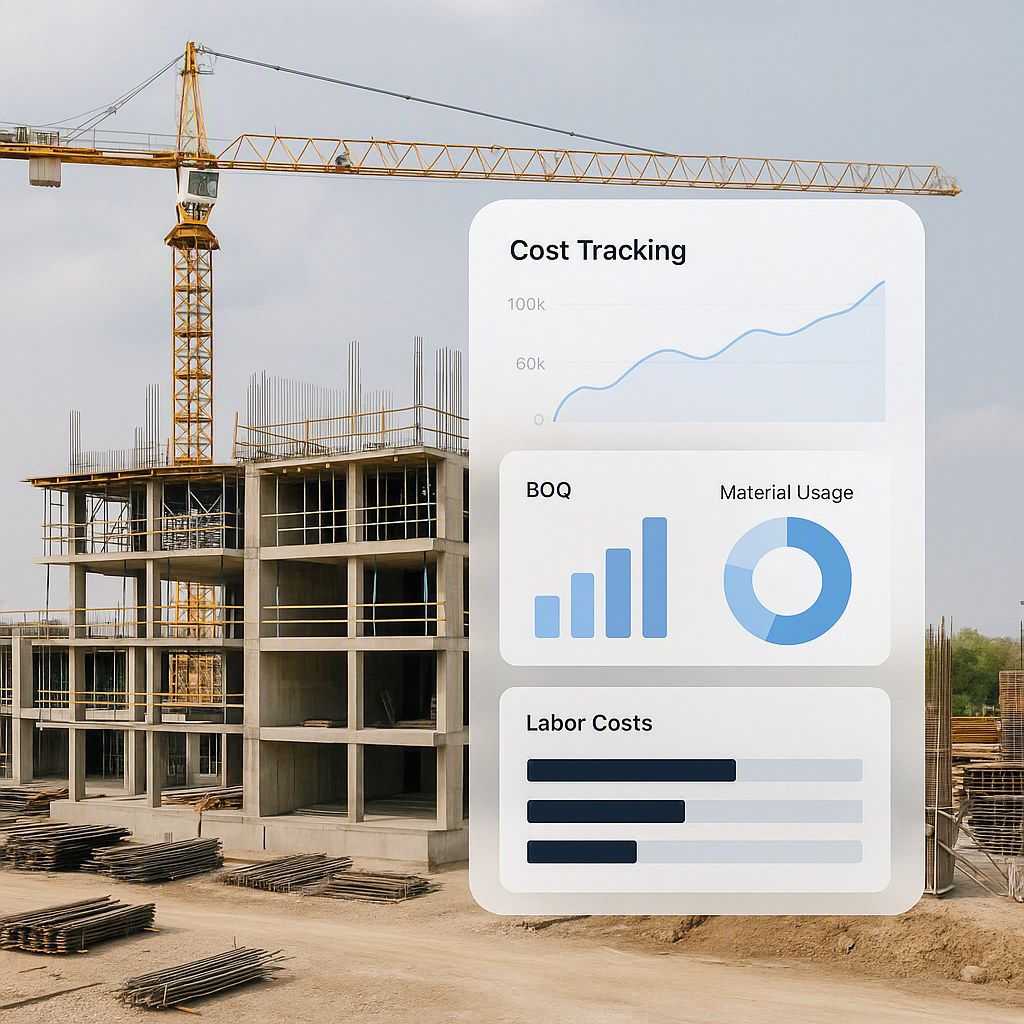
Instead of waiting for end-of-project audits, some companies are now leveraging real-time profitability dashboards. These tools break down costs across every Bill of Quantities (BOQ) line item, showing variances against original estimates. By identifying problem areas—such as specific material requests or subcontractor costs—teams can take immediate corrective actions, such as halting non-essential purchases or renegotiating vendor terms.
Why I Got It Wrong
So, why did I dismiss enterprise software for so long? Part of it was the sheer volume of claims made by vendors in the space. "Our platform will transform your business," they'd say. But nobody explained how. I assumed they were selling dashboards that looked good but required manual data entry and constant babysitting.
Another reason? The success stories I’d heard felt cherry-picked. "Customer X improved margins significantly!" But they never explained how many failed implementations happened before that.
And lastly, I thought real-time tracking was overkill for mid-sized businesses. Why would a contractor with 200 employees need something so sophisticated? I figured spreadsheets could do the job.
What Real-Time Cost Tracking Actually Does
Now I know better. Real-time cost tracking isn’t about making your reports look pretty. It’s about seeing the cracks in your financials before the building falls apart. For contractors, this is everything.
Here’s how it works in enterprise software solutions:
-
BOQ, Scope, and Estimate Monitoring: Every resource—materials, labor, equipment—gets tied to its BOQ line item and scope. As costs are incurred, they’re tracked against these predefined budgets. If something goes over, the system flags it immediately.
-
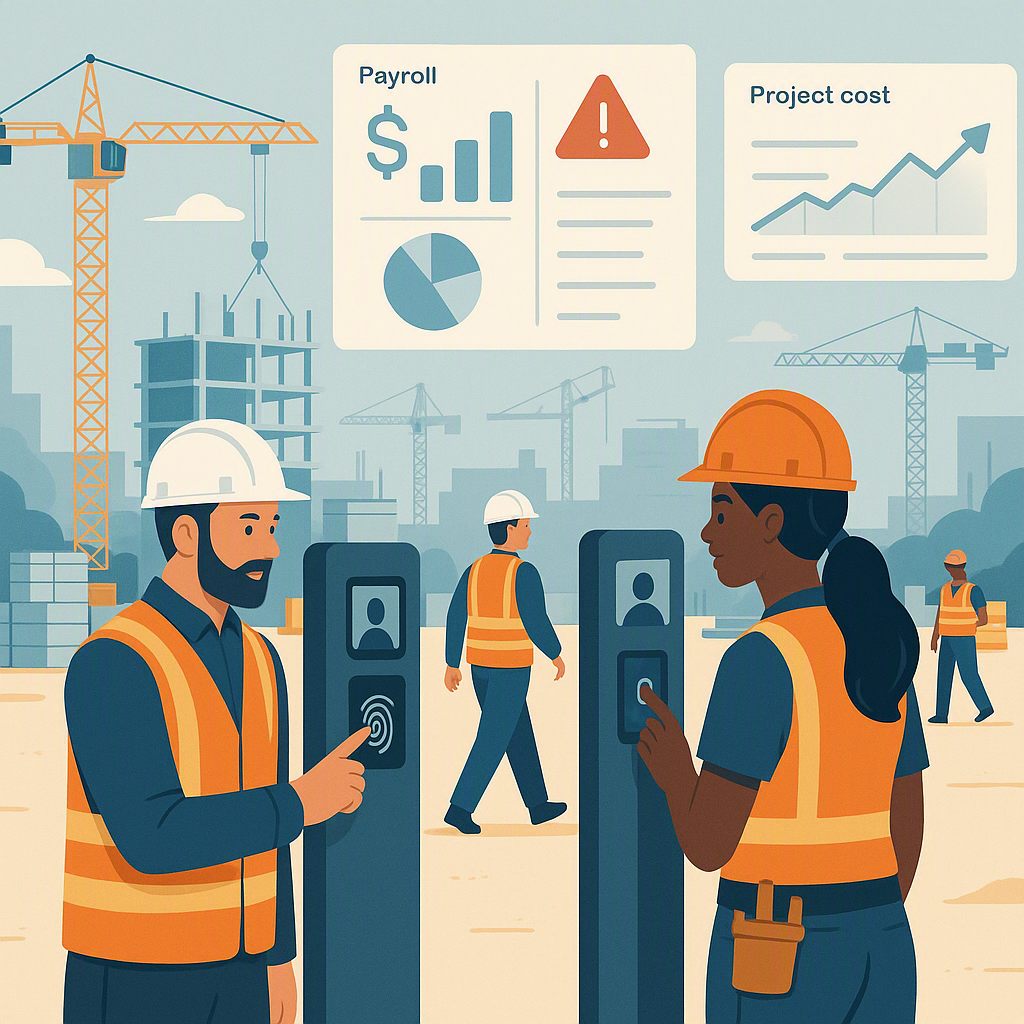
Approval Chains for Spend Control: Before any material purchase or subcontractor payment, the system checks it against the approved budget. If it’s over, it doesn’t go through without escalation. This enforces budget discipline across the organization.
-
Data Visualization: Dashboards and analytics reports help project managers, finance controllers, and decision-makers get a clear picture of where their money is going. This reduces the risk of surprises at the end of a project.
What I Do Differently Now
I no longer dismiss enterprise software as fluff. But I’m also not a blind believer in tech. Here’s what I focus on when evaluating solutions:
- Tangible Value: Can the software show me real, actionable insights? If it can’t, it’s not worth the investment.
- Simplicity: Does it integrate into my team’s existing workflow, or does it create more work?
- Early Wins: Can it solve a small, specific pain point within weeks of implementation? Real-time cost tracking, for example, can often provide quick wins that justify further investment.
What I’m Still Unsure About
Here’s the thing: enterprise software is still not a magic bullet. It doesn’t fix bad processes or make up for poor project management. And implementation is a pain—it requires time, training, and buy-in from your team.
Also, I wonder if this level of tracking makes sense for very small contractors. A small project might not justify the investment in a full ERP solution. In those cases, spreadsheets might still work—if you’re disciplined. But for any company with multiple projects or a larger team, the risks of NOT having real-time tracking far outweigh the costs.
The Takeaway
Real-time cost tracking in enterprise software isn’t just a buzzword—it’s a lifeline for businesses managing complex projects. If you’re running multiple jobs and relying on spreadsheets, you’re playing with fire. The margin erosion will catch up to you.
If you’re dealing with margin erosion or struggling to get a clear picture of project profitability, enterprise software solutions can help.
Learn more at JobNext.ai - Construction ERP