The Hidden Costs of Disconnected Billing Systems
Every contractor has felt it: that sinking realization that a completed project wasn’t as profitable as expected. Often, the culprit isn’t obvious—there’s no single catastrophic expense. Instead, it’s death by a thousand cuts, or more specifically, revenue leakage.
One of the biggest contributors? Disconnected billing systems. When billing processes rely on a patchwork of spreadsheets, manual calculations, and email approvals, things slip through the cracks. A missed invoice here, an overbilling dispute there—it adds up.
For example, subcontractor coordinators often face challenges when multiple work orders are open without proper tracking or alignment with certified measurement sheets. This can lead to duplicate invoices, confusion from clients, and payment delays. Multiply that by dozens of projects, and it’s a recipe for financial chaos.
Why Unified Billing Matters
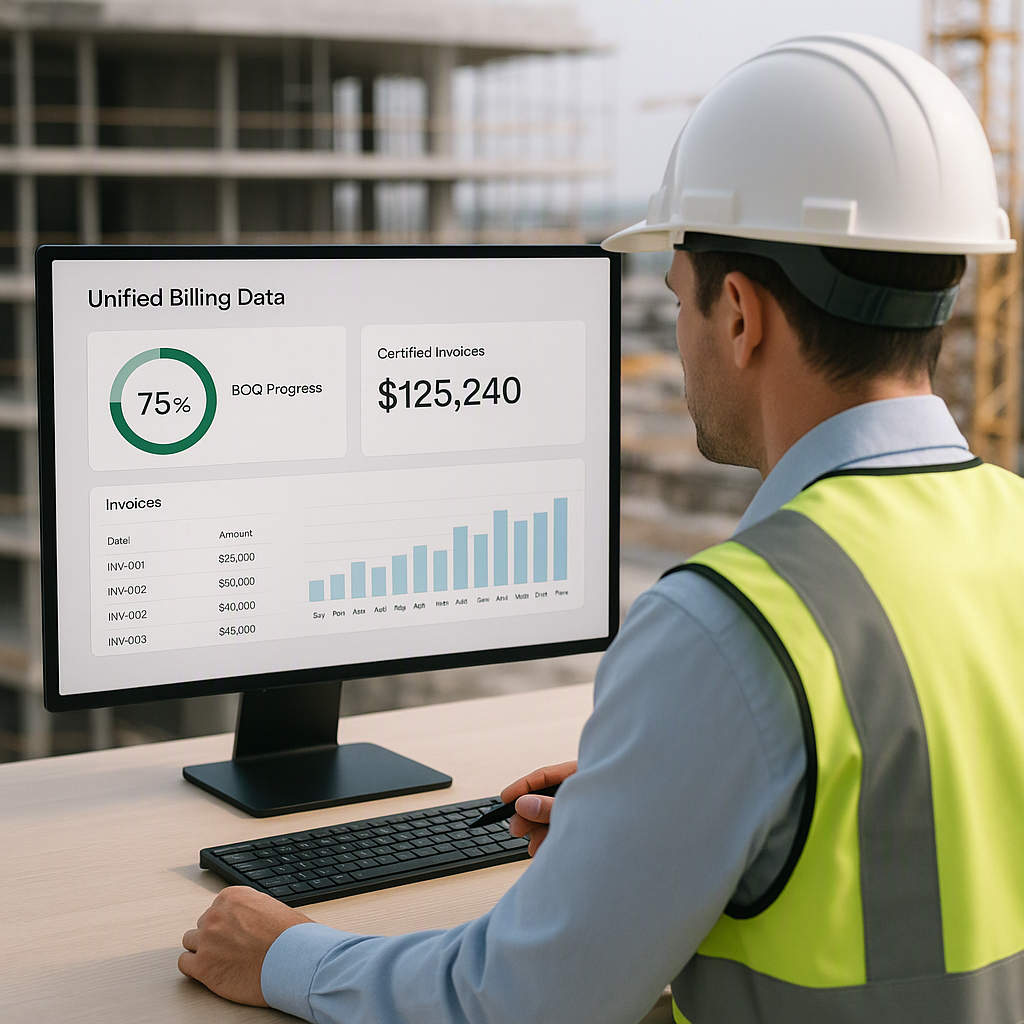
This is where enterprise software solutions come in. A unified billing system ensures every piece of work is accounted for, invoiced, and tracked. Platforms like JobNext include billing methods tailored to different contract scenarios—RA (Running Account) Bills, stage-wise billing, supply BOQ, combined invoices, and more. It’s not just flexibility; it’s control. You can lock BOQs, enforce measurement-based billing, and automate recurring invoices for long-term contracts.
Take the RA Bill method, for instance. Instead of chasing down approvals and manually calculating billable progress, the system generates invoices directly from certified measurement sheets. You know exactly what’s been completed and what’s owed. No disputes, no surprises.
The Cost of Revenue Leakage
Revenue leakage strains client relationships. Nobody wants to fight over unpaid invoices or explain why two different amounts were billed for the same scope. A unified billing system eliminates these headaches and ensures smoother operations.
What Stops Contractors from Fixing This?
If the solution seems obvious, why haven’t all contractors adopted it? There are a few common reasons:
- Resistance to Change: Many contractors are used to their systems, even if they’re inefficient. Transitioning to a new platform feels daunting.
- Cost Concerns: There’s a perception that enterprise software is expensive. But when you factor in the savings from reduced disputes and faster cash flow, the ROI often justifies the investment.
- Lack of Awareness: Some contractors simply don’t know these tools exist or assume they’re only for large enterprises. That’s not true—platforms like JobNext are built for small to mid-sized contractors too.
How to Start Fixing Your Billing Process
If you’re dealing with revenue leakage, here’s where you can start:
- Audit Your Current System: Look at how invoices are generated, approved, and tracked. Identify gaps—missed approvals, inconsistent formats, or manual errors.
- Standardize Your Processes: Even without software, a clear workflow for measurement-to-invoice can reduce errors.
- Invest in a Unified Platform: Tools like JobNext aren’t just about billing—they integrate procurement, HR, and finance too, giving you a complete view of project profitability.
Common Questions About Unified Billing
1. How long does it take to implement a system like JobNext?
Implementation timelines vary depending on the complexity of your operations and the readiness of your team. With proper planning, onboarding can be streamlined efficiently.
2. What if my projects have unique billing requirements?
That’s the point. With multiple billing methods, platforms like JobNext are designed to handle complex scenarios, from RA Bills to one-time invoices.
3. Is this only for large contractors?
Not at all. JobNext is built for small to mid-sized contractors, especially those managing multiple projects simultaneously.
The Bottom Line
Revenue leakage isn’t inevitable. With the right tools, contractors can protect their margins, improve cash flow, and build stronger client relationships.
If you’re tired of chasing invoices and dealing with billing disputes, JobNext can help.
Learn more at JobNext.ai - Construction ERP