What I Used to Think About Profitability Tracking
For years, I believed that project profitability tracking was something you did at the end of a project. You’d review final reports, compare actual costs to estimates, and figure out what went wrong. Sure, by then it was too late to fix anything, but at least you’d know where you lost money for the next time. That’s just how it worked, right? Contractors don’t have time to track everything live—it’s chaos at the job site, and besides, who has tools that can do that?
What Changed My Mind
In 2024, a contractor in Sharjah called us in to review their finances. They’d been running multiple MEP (Mechanical, Electrical, Plumbing) jobs across the UAE—big ones, with budgets in the millions. Despite winning bids and keeping projects on schedule, their margins were shrinking. They had no idea why.
When we dug into their numbers, the problem became clear: their costs were creeping up mid-project. Material orders were exceeding estimates. Subcontractor payments were higher than planned. But they only saw this when the project was over. By then, the overages had wiped out their profits.
That’s when I realized: if you’re waiting until the end of the project to check profitability, you’re already too late. Real-time tracking isn’t a luxury; it’s the only way to stay profitable.
Why the Old Belief Persisted
The idea of real-time profitability tracking sounds great—but it’s hard to implement. Most contractors rely on a patchwork of spreadsheets, emails, and WhatsApp messages to manage their projects. Connecting those dots in real time? Nearly impossible. And even if you had the data, who’s going to analyze it while juggling procurement, labor issues, and client demands?
Frankly, the tools available didn’t help either. Generic ERP systems are built for manufacturers or retail operations—not contractors. They don’t understand things like BOQs (Bill of Quantities), running account (RA) bills, or measurement-based subcontractor payments. Contractors have been burned before by systems that over-promise and under-deliver. It’s no wonder they stick to manual methods.
Let’s break this down further:
- Fragmented Processes: Many contractors juggle multiple tools to track costs, progress, and approvals. Without integration, it’s easy for data to get lost or delayed.
- Complex Billing Systems: Construction projects often rely on unique billing structures like RA bills or milestone-based payments, which generic software struggles to accommodate.
- Lack of Real-Time Visibility: Even if data is captured, it’s often not accessible in real time, making it impossible to spot issues as they arise.
What We Do Differently Now
Today, when we talk to contractors, profitability tracking is one of the first things we address. And we don’t just tell them to "track better." We show them how to use tools like JobNext ERP to track costs against budgets in real time. This isn’t just about software—it’s about changing how teams think about project management and data.
Here’s how it works:
BOQ-Level Monitoring
Every project starts with a detailed BOQ (Bill of Quantities). This document breaks down the project scope into individual components, each with its own estimated cost. Traditionally, contractors only revisit the BOQ at the end of the project to compare actual costs to estimates. With JobNext, you can:
- Track actual costs—materials, labor, subcontractors—against BOQ estimates as they happen.
- Flag overruns in specific line items immediately, allowing project managers to investigate and take corrective actions.
- Generate reports showing real-time consumption of resources, helping you to forecast whether specific parts of the project are likely to stay on budget.
Approval Workflows
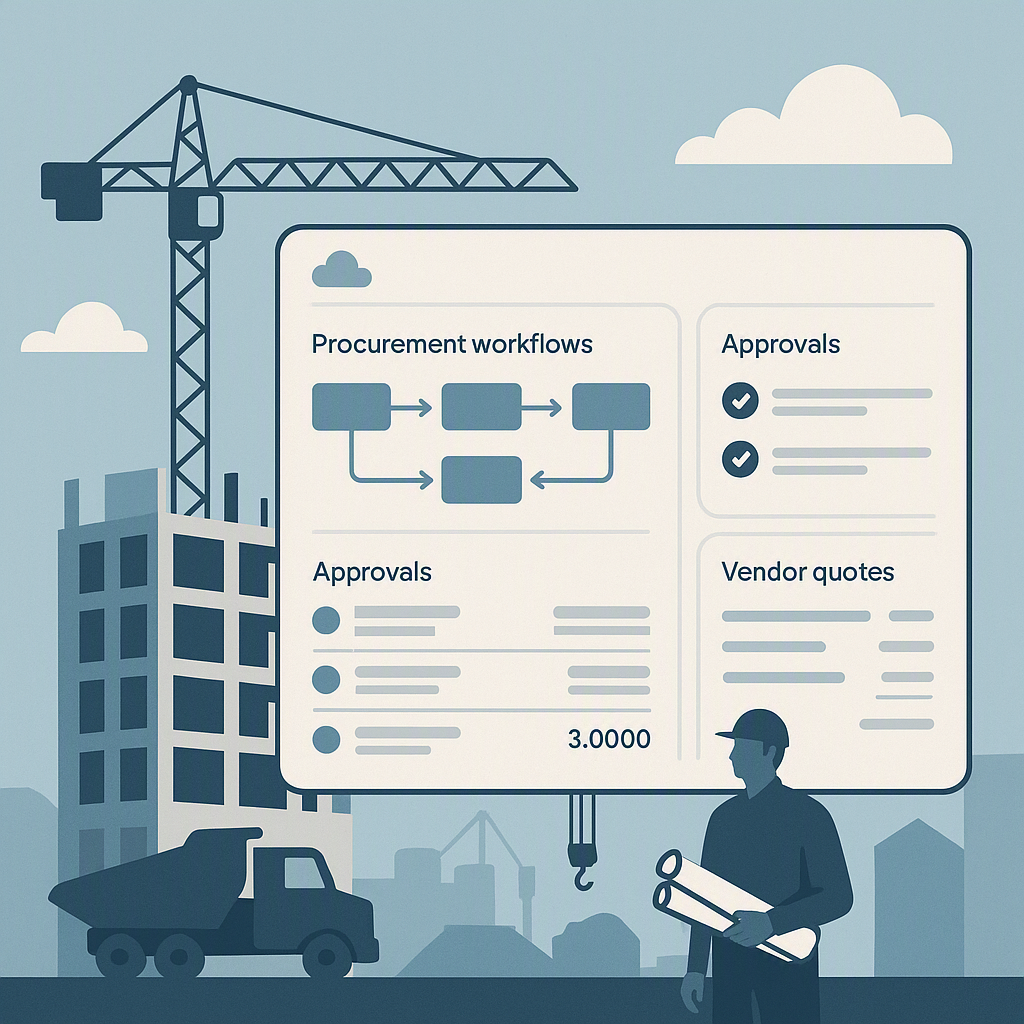
Unapproved spending is a silent profit killer. It might seem like a good idea to authorize a last-minute material purchase or a subcontractor amendment without going through proper channels, but those small decisions add up fast. JobNext helps by:
- Implementing structured approval processes for purchase orders, subcontractor payments, and extra work requests.
- Ensuring all expenditure is tied to the project budget, with clear notifications when approvals are pending.
- Preventing rogue spending by requiring multiple levels of approval for high-cost decisions.
Dashboards and Alerts
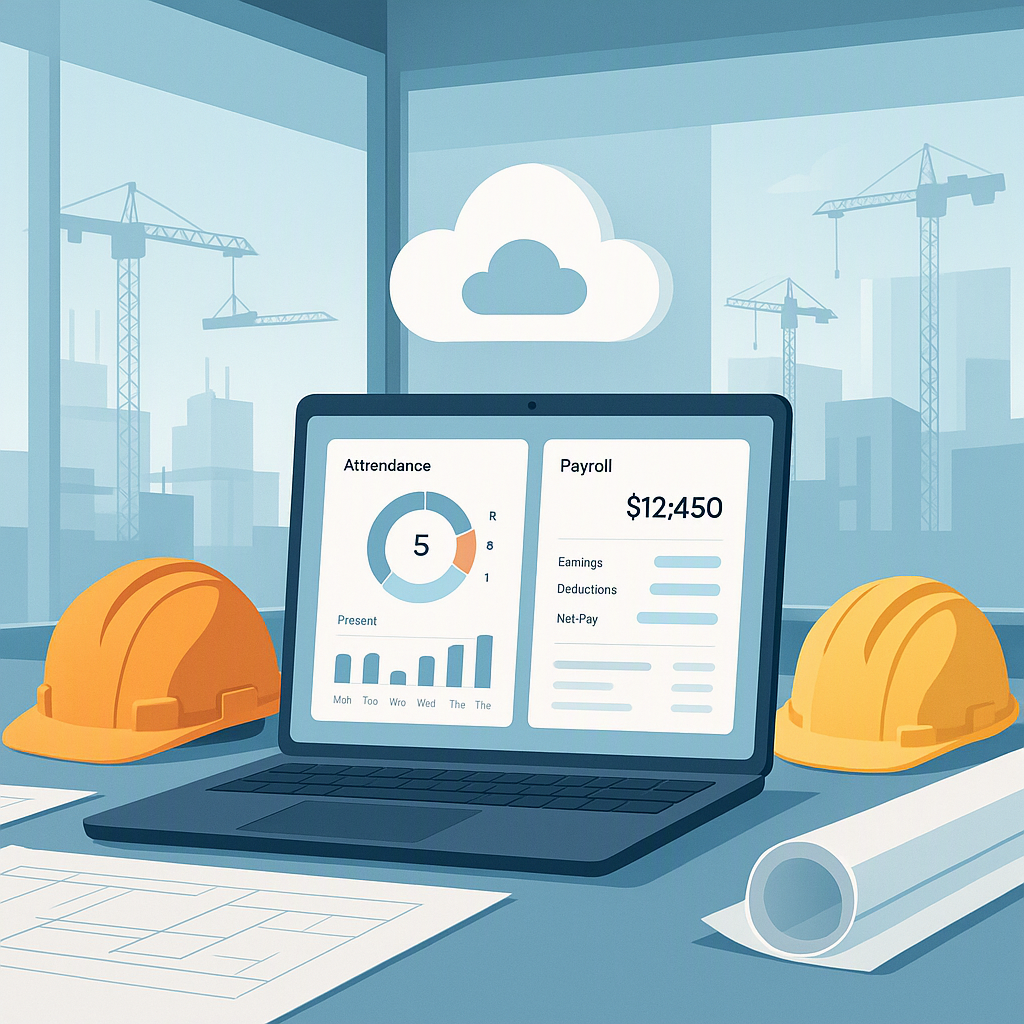
Imagine knowing instantly when something goes wrong—whether it’s labor costs spiking or material usage exceeding forecasts. Real-time dashboards in JobNext provide:
- A clear, visual overview of project profitability at any given moment.
- Automated alerts that notify managers when margins dip below a certain threshold or when costs exceed approved budgets.
- Detailed drill-downs into specific cost categories so you can pinpoint problems immediately.
Subcontractor Management
Subcontractor costs are one of the hardest things to control, especially when they’re tied to measurement-based payments. JobNext addresses this by:
- Linking every payment to verified progress measurements, ensuring you pay only for work completed.
- Providing a centralized record of all agreements, changes, and disputes for better transparency.
- Automatically flagging contractual breaches or cost overruns, giving you the chance to renegotiate or take corrective action.
What Being Wrong Cost
Looking back, I cringe at how much money contractors lose by sticking to end-of-project reviews. I’ve seen projects that should’ve netted a 10% margin barely break even because no one caught the overages in time. Worse, I’ve seen companies lose clients over billing disputes that could’ve been avoided with transparent tracking.
Even now, I’m not sure we’ve solved everything. Real-time tracking relies on accurate, timely data. If your site engineers don’t log measurements or your procurement team delays updates, the system falls apart. That’s why we spend so much time training teams—not just on the software, but on the discipline of data entry and review.
Decision Framework: Real-Time vs. End-of-Project Tracking
| Feature | Real-Time Tracking | End-of-Project Tracking |
|---|---|---|
| Timing | Continuous, live updates during the project | Post-project analysis only |
| Proactive vs. Reactive | Proactive: Issues are flagged immediately | Reactive: Problems identified too late |
| Accuracy | High: Data is updated as events occur | Lower: Relies on memory and post-fact records |
| Dispute Resolution | Easier: Transparency facilitates resolution | Harder: Requires digging into old records |
| Tools Required | Specialized ERP systems like JobNext | Spreadsheets, emails, and manual logs |
What’s Next
If you’re still managing projects with disconnected tools and end-of-project reviews, it’s time to rethink your approach. Real-time profitability tracking isn’t just a feature—it’s a competitive advantage. JobNext ERP makes it possible by providing the tools, training, and support you need to succeed in today’s fast-paced construction environment.
If you're ready to stop margin erosion and take control of your project profitability, start with JobNext. Get started today →
Learn more at JobNext.ai - Construction ERP