The Problem: Disconnected Systems Are Hindering Efficiency
For over a decade, businesses in industries such as manufacturing and logistics have relied on a patchwork of disconnected systems to manage their operations. This often starts with a basic accounting tool, followed by the addition of a procurement app, a payroll solution, and other specialized tools. According to a 2022 report by Gartner, 75% of organizations struggle with operational inefficiencies due to a lack of system integration. The result? Miscommunication, errors, and challenges in tracking data across systems.
For example, a work request might be submitted through one system, processed in another, and then logged into a third tool for billing. A case study from a mid-sized manufacturing firm in Chicago revealed that their disconnected systems led to an average of 12% revenue loss annually due to billing errors and missed deadlines.
The Role of Multi-Tenant SaaS in Solving These Challenges
Many organizations have turned to multi-tenant Software-as-a-Service (SaaS) enterprise solutions to address these issues. Unlike traditional systems that operate in silos, multi-tenant SaaS platforms integrate various functions into a single, unified ecosystem. These platforms are designed to handle workflows end-to-end, ensuring that every step is tracked and connected.
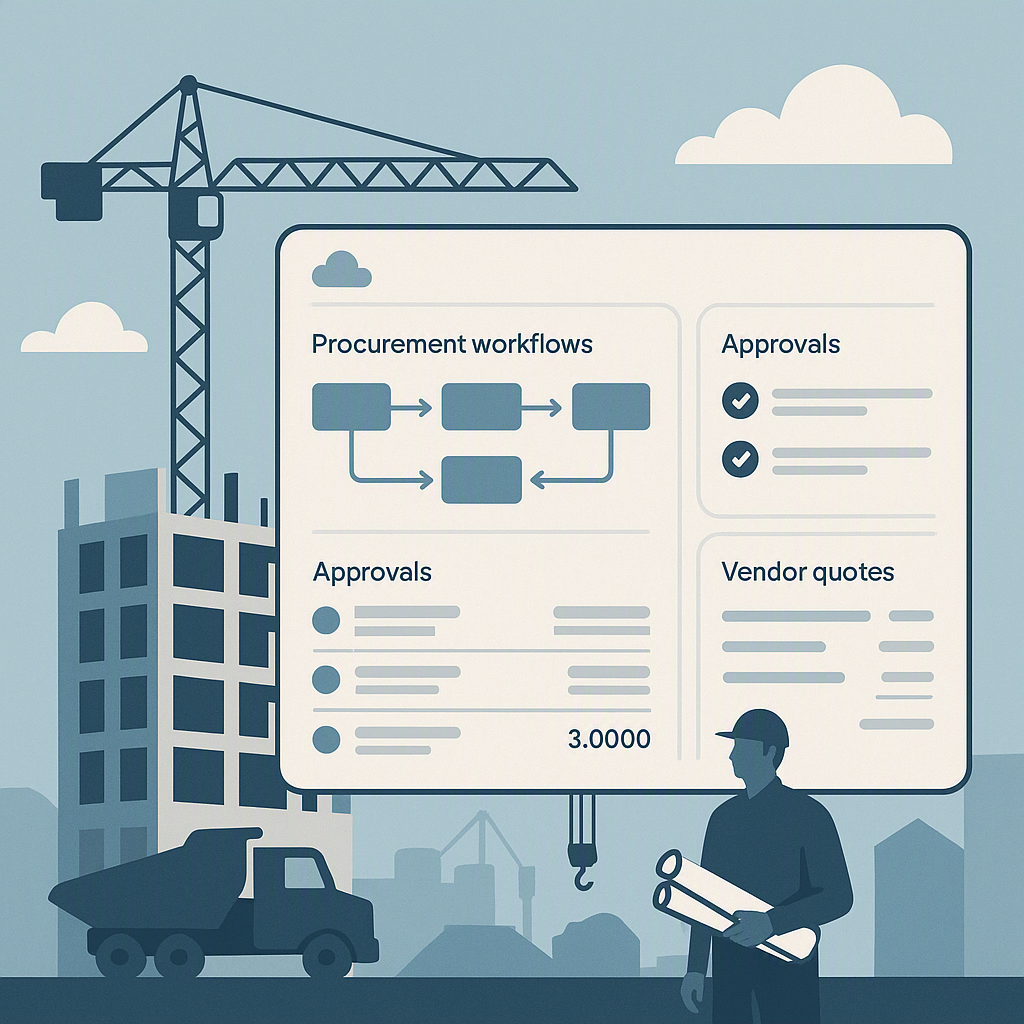
For instance, in procurement workflows, a structured process might include steps such as Material Requisition (MR) → Request for Quotation (RFQ) → Vendor Offers → Purchase Order (PO). Each step can be tied to budgets and approval chains, reducing errors and improving accountability. A 2021 survey by Deloitte found that businesses using integrated SaaS solutions reduced manual errors by up to 30%, while improving operational visibility.
Why Disconnected Systems Persist
Disconnected systems often persist because specialized tools excel at specific tasks. For example, a standalone payroll system might handle compliance requirements exceptionally well, while a procurement app might simplify RFQ management. However, the lack of integration between these tools creates challenges. For instance, a payroll system might not allocate costs to specific projects, requiring manual intervention. Similarly, a procurement tool might not sync with financial systems, leading to budget overruns.
Switching to an all-in-one platform can feel risky. Concerns about whether the new system will meet all operational needs, employee resistance to change, and the time required for implementation often deter businesses from making the transition.
Steps to Transition to an Integrated Solution
To overcome these challenges, businesses can take the following steps:
- Identify Key Pain Points: Focus on the areas causing the most significant inefficiencies, such as procurement or billing. Addressing these first can yield noticeable improvements.
- Emphasize Integration: Choose a platform designed to integrate all critical business functions, such as tendering, procurement, billing, HR, and equipment tracking. This eliminates data silos and reduces the need for duplicate data entry.
- Leverage Real-Time Insights: Modern enterprise solutions often include dashboards and reporting tools that provide real-time visibility into operations. This enables faster, data-driven decision-making.
Challenges and Considerations
While integrated platforms offer numerous benefits, they are not a cure-all. Resistance to change is common, and employees may require training to adapt to the new system. Additionally, the effectiveness of these platforms depends on the quality of data inputs—poor data management can undermine the benefits of integration.
Despite these challenges, the advantages of enterprise software solutions are clear. Businesses that adopt these platforms often experience improved cost control, streamlined workflows, and better decision-making. In industries with tight margins, such as retail, these benefits can make a significant difference.
FAQ
Q: Why should I consider an integrated enterprise software solution?
A: Integrated solutions unify operations, reduce manual processes, and provide real-time insights, enabling businesses to operate more efficiently and make informed decisions.
Q: How long does it take to implement an enterprise software solution?
A: Implementation timelines vary depending on the complexity of the business and the scope of the solution. Focusing on addressing key pain points first can help accelerate the process.
Q: How can I address employee resistance to a new system?
A: Providing comprehensive training and demonstrating the benefits of the new system can help employees adapt more quickly and embrace the change.
Q: What are the risks of continuing with disconnected systems?
A: Disconnected systems can lead to inefficiencies, errors, and financial losses. They also make it challenging to track costs, ensure compliance, and meet deadlines.
If disconnected systems are creating inefficiencies in your business, it may be time to explore integrated enterprise software solutions. These platforms can unify your operations and provide the insights needed to drive smarter decisions and improve overall performance.
Learn more at JobNext.ai - Construction ERP