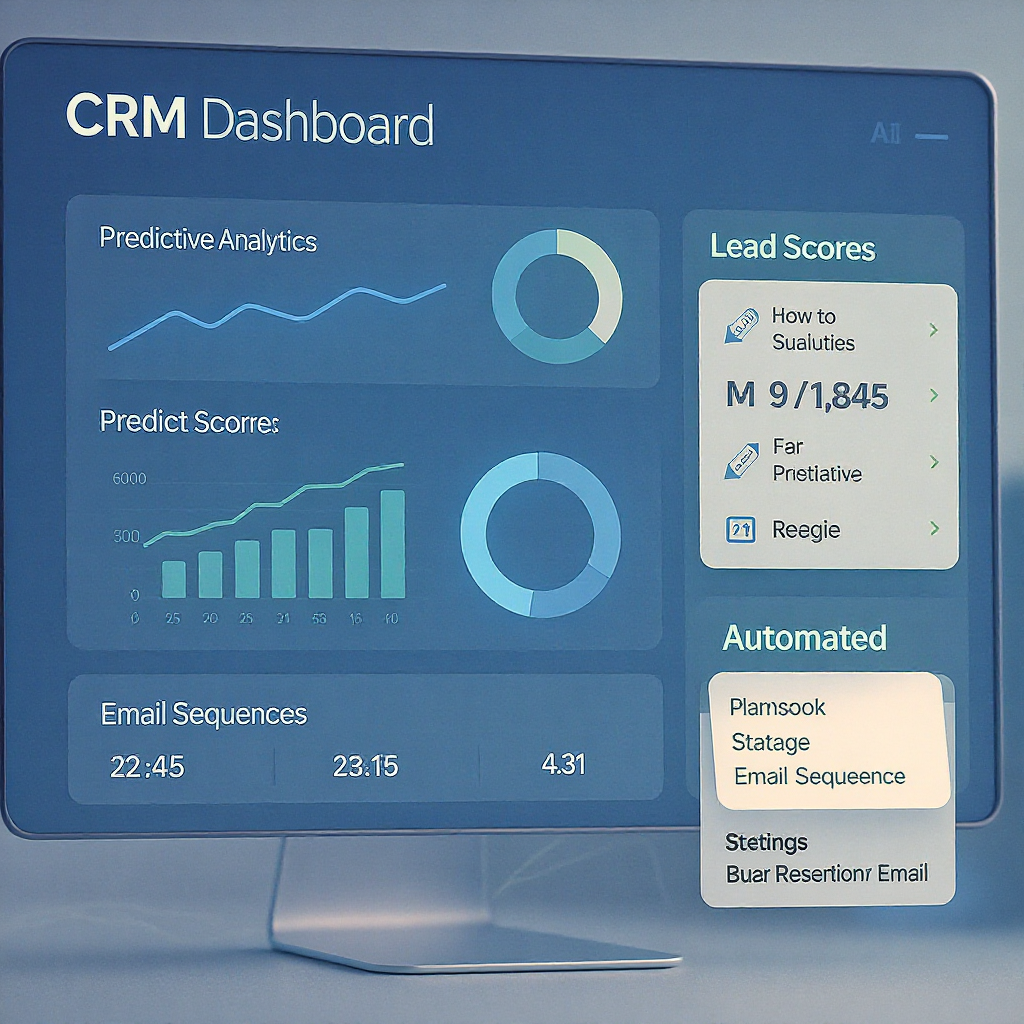
AI Is Changing the Rules of B2B Sales
B2B sales used to rely on intuition and relationships. The best salespeople were the ones who 'knew people,' had a knack for timing, and could read a room. Those things still matter, but AI now adds a layer of precision that humans can't replicate.
Take lead scoring as an example. Most CRMs used to rely on manual inputs — a salesperson flags a lead as hot or cold based on gut feeling. With AI, the system analyzes patterns across thousands of data points: purchase history, website behavior, email engagement, even external signals like industry trends. The result? Predictive scores that are 30-50% more accurate than human judgment according to Gartner.
Automated Outreach: Efficiency Without Losing the Human Touch
Automation in outreach sounds impersonal, right? But it doesn't have to be. AI tools like Outreach.io and HubSpot sequence emails that feel personal by analyzing recipient behavior. If someone clicks on a case study, the system might send a follow-up with a deeper dive into the topic. If they ignore an initial email, the system adjusts tone and timing.
The key here is relevance. AI removes the guesswork. It knows when to reach out, how often, and with what message. And for companies managing complex sales cycles — think mid-size contractors bidding on multi-million dollar projects — this can be a game changer. Tools like JobNext AI even bring predictive capabilities to preconstruction estimating, helping firms nail bid accuracy with 97% precision. Read more about that transformation.
Real-World Example: AI in Action
Let’s talk numbers. One of our clients, a SaaS company, implemented AI-driven CRM tools. Within six months, they saw:
- A 20% increase in lead conversion rates.
- Sales cycle times drop by 15%.
- Outreach productivity improve by nearly 30%.
That’s not luck — it’s data. AI helped their reps prioritize high-value leads, while automation handled repetitive tasks like follow-ups and first-touch emails.
The Obvious Objection: Is AI Overhyped?
You might be thinking, "Sounds great, but what’s the catch?" Fair question. AI isn’t perfect. Predictive models need clean, comprehensive data to work well. If your CRM is full of incomplete records, you’re not going to see magic results.
Another challenge is adoption. Teams often resist new tools, especially if they feel it’s replacing their judgment. That’s why successful implementations focus on augmentation, not replacement. The goal isn’t to take the human out of sales — it’s to free them from low-value tasks so they can focus on closing deals.
What’s Next for AI in B2B Sales?
We’re already seeing AI integrate deeper into CRMs. Predictive analytics are evolving into prescriptive suggestions — not just scoring leads, but recommending specific actions. And don’t overlook conversational AI. Tools like Drift and Intercom are using AI to qualify leads via chat before human reps even get involved.
For industries like construction, where sales cycles revolve around bids and contracts, AI-driven platforms like JobNext AI are becoming indispensable. If you’re serious about modernizing your sales process, it’s not a question of if you’ll adopt AI. It’s when.
Learn more at JobNext.ai - Construction ERP