Why Real-Time Cost Tracking Matters
Imagine this: You're halfway through a ₹50 crore construction project. The initial budget looked solid, but now you're noticing discrepancies. Materials are costing more than expected, labor costs have overshot, and equipment rentals weren’t properly tracked. You won't know the full damage until you sit down with your accountant at the end of the month. By then, it's too late to reverse the losses.
This is one of the most common challenges contractors face. And it's not just anecdotal. A 2022 study by McKinsey & Company found that construction projects typically run 80% over budget and 20 months behind schedule. The culprit? Poor cost tracking. It’s not just about losing money—it’s about losing control.
The Problem With Traditional Systems
Most small and mid-size contractors use a cobbled-together mix of spreadsheets, standalone accounting software, and maybe a project management tool. It’s a patchwork solution that makes real-time monitoring nearly impossible. For example:
- Delayed updates: By the time procurement costs are logged and processed, you're already 2-3 weeks into the next phase. This lag makes it hard to course-correct.
- Scattered data: Costs are tracked across multiple systems—one for payroll, another for accounting, and yet another for materials. Cross-referencing them is a nightmare.
- Manual errors: When teams have to manually input data into multiple systems, mistakes are inevitable. A single typo can skew your cost projections.
Why These Problems Compound
If you're managing multiple projects across different sites, these issues multiply exponentially. For example, delayed updates on one site can delay decisions across others, creating a domino effect. Scattered data means teams spend hours reconciling discrepancies instead of focusing on execution. Manual errors, meanwhile, often go unnoticed until it's too late—by which point the financial damage is locked in.
The impact: Margins shrink, timelines stretch, and client trust erodes.
The Enterprise Software Solution
This is where enterprise software solutions like JobNext come in. JobNext is a multi-tenant SaaS ERP built specifically for contractors and construction companies. One of its standout features is real-time project profitability tracking. Here’s how it works:
-
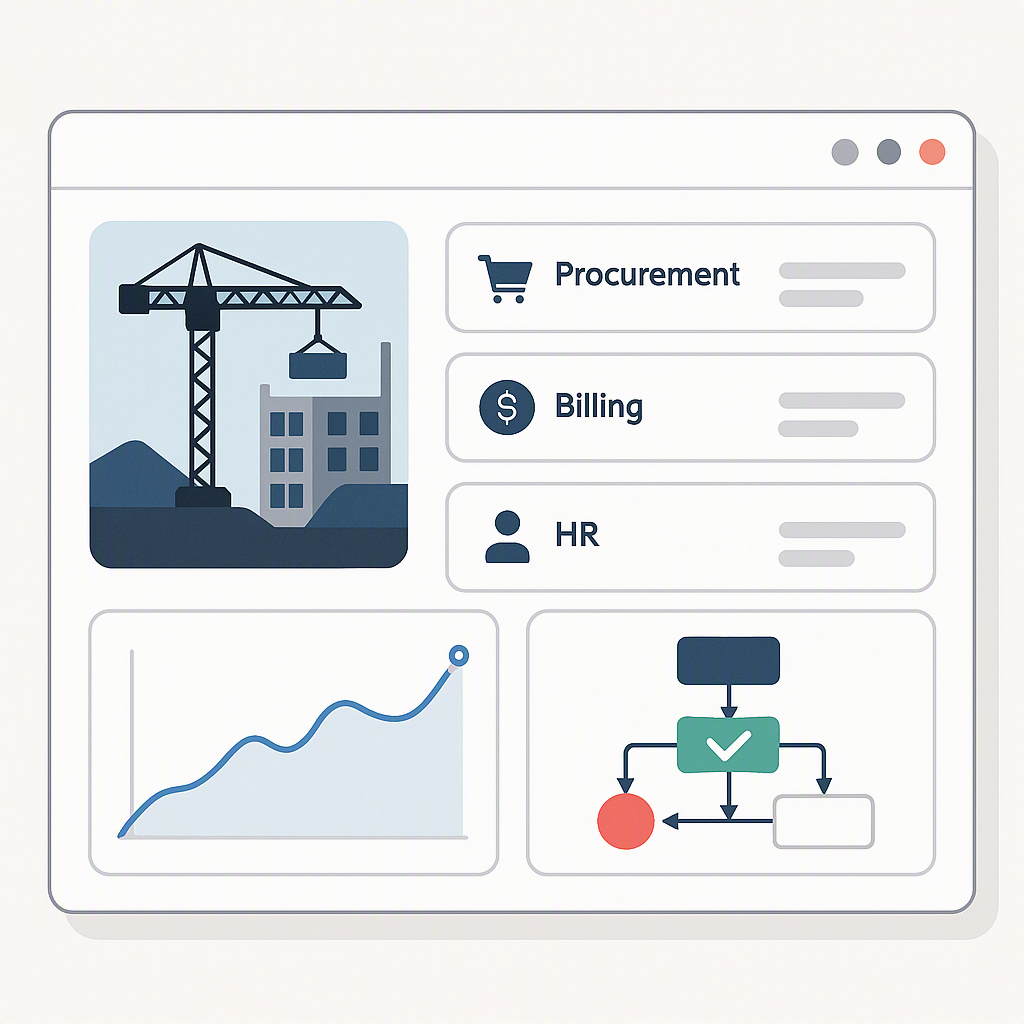
Unified Platform: JobNext eliminates the need for separate tools by centralizing everything—tendering, procurement, billing, HR, and finance—into one system. No more juggling spreadsheets or reconciling data between platforms.
-
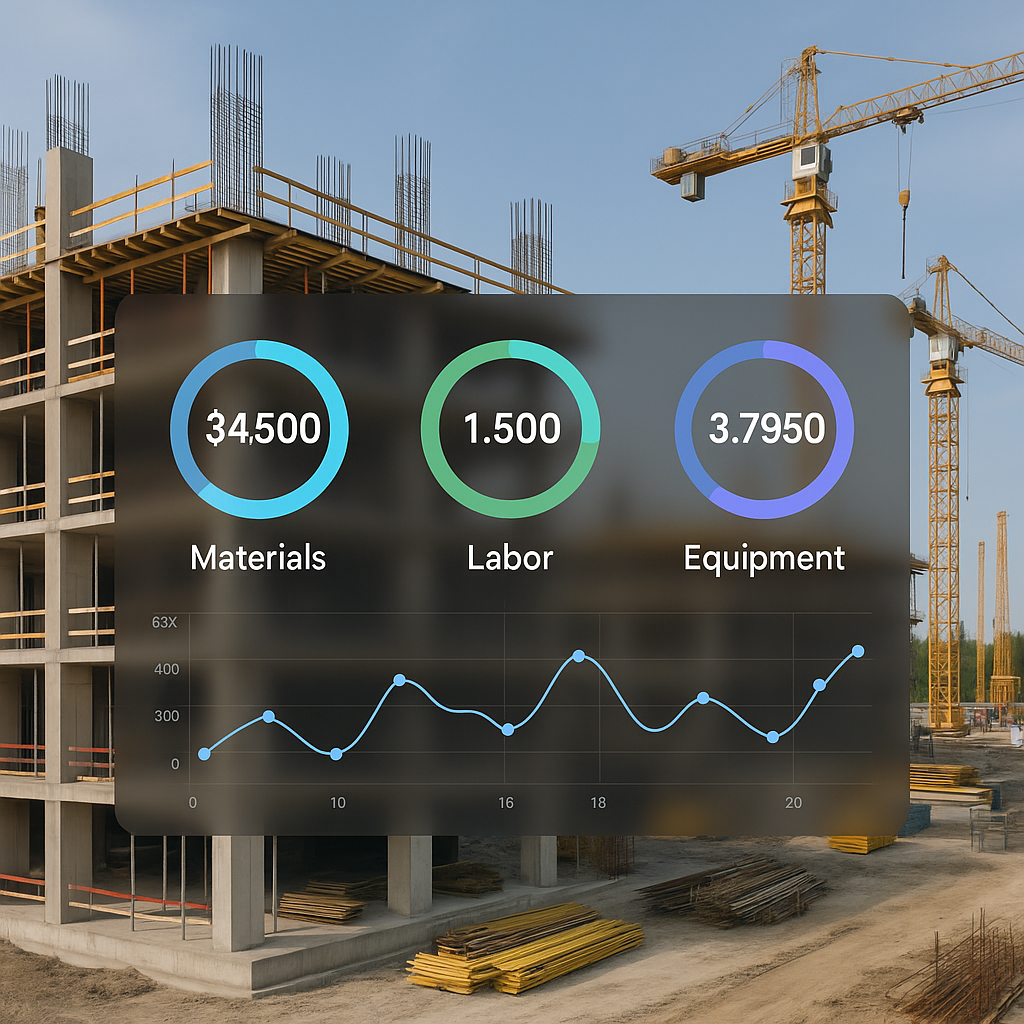
Cost vs. Budget Tracking: Every expense—whether it's materials, labor, or equipment—is automatically tracked against the approved budget at a granular level (think BOQs, scopes, and estimates). This gives you a real-time view of where your money is going.
-
Alerts for Overspending: The platform sends automated alerts when costs exceed budgets, ensuring you can take corrective action before the situation spirals out of control.
-
Detailed Analytics: With 150+ pre-built SSRS reports and real-time dashboards, you can slice and dice data to understand project performance. Want to know how much you’re spending on subcontractor labor for a specific site? It’s a few clicks away.
Actionable Steps to Implement Enterprise Software
- Start with a detailed evaluation of your current cost tracking process. Identify pain points, such as manual errors or lack of real-time data.
- Choose an ERP system that aligns with your business size and scope. Platforms like JobNext are tailored for construction companies and offer modular options to suit your needs.
- Train your team thoroughly. Even the best software is only as effective as the people using it. Invest in onboarding and ongoing training to ensure adoption.
- Set up your budget and cost codes in the system before rolling it out. A clean setup at the beginning will save you headaches later.
- Use the analytics tools to regularly review performance and refine your processes.
Real-World Benefits
Although we can't name specific clients here, JobNext’s real-time cost tracking capabilities have been a game-changer for contractors in India and the GCC. Imagine being able to:
- Spot material overspend as soon as it happens, not weeks later.
- Allocate labor costs directly to specific jobs using job-wise attendance tracking.
- Avoid revenue leakage by ensuring every completed task is billed correctly.
Key Advantages of Real-Time Tracking
| Traditional Systems | Real-Time Cost Tracking |
|---|---|
| Updates are delayed by weeks | Instant updates on costs and budgets |
| Data stored in separate systems | Unified platform for all cost tracking |
| High probability of manual errors | Automation reduces errors significantly |
| No instant alerts for overspending | Real-time alerts for quick action |
| Reactive decision-making | Proactive, data-driven decisions |
The result? Better margins, fewer surprises, and projects that stay on track.
Why Manual Systems Don’t Cut It
You might think, "We’ve been managing fine with spreadsheets and standalone tools for years." But think about it: How often do you have to scramble to figure out where your project stands financially? How many times have you had to explain unexpected cost overruns to clients or stakeholders?
The Risks of Sticking to Manual Systems
- Lack of scalability: What works for a single project falls apart when you manage multiple sites and teams.
- Hidden costs: Time spent troubleshooting errors or reconciling data is time not spent on value-adding activities.
- Poor visibility: Without real-time data, you’re essentially flying blind.
Manual systems might work when you’re running one or two projects. But if you’re managing multiple sites with dozens of subcontractors, it’s not sustainable. The time spent fixing errors, chasing down information, and reconciling accounts could be better spent growing your business.
Common Mistakes in Cost Tracking
-
Ignoring Indirect Costs: Many contractors focus only on direct costs like materials and labor, forgetting about indirect costs like equipment depreciation or site overheads. JobNext helps you track these automatically.
-
Not Updating BOQs: If your Bill of Quantities (BOQ) isn't updated regularly, you’re working with outdated numbers. This is a recipe for disaster.
-
Skipping Approval Workflows: Allowing purchases or payments without proper approval can lead to unauthorized expenses. With JobNext, every transaction is tied to a multi-level approval process to prevent this.
-
Overlooking Subcontractor Costs: Subcontractor payments can be a black hole if not managed carefully. JobNext’s measurement-based progress tracking ensures you only pay for work that’s been completed and approved. Learn more about subcontractor management here →
The Bottom Line
Real-time cost tracking isn’t a luxury—it’s a necessity for any contractor managing complex projects. It’s the difference between hitting your margins and watching them evaporate. If you’re ready to take control of your costs, JobNext is here to help. The path to better profitability starts with visibility—don’t wait for the next budget overrun to take action.
Learn more at JobNext.ai - Construction ERP