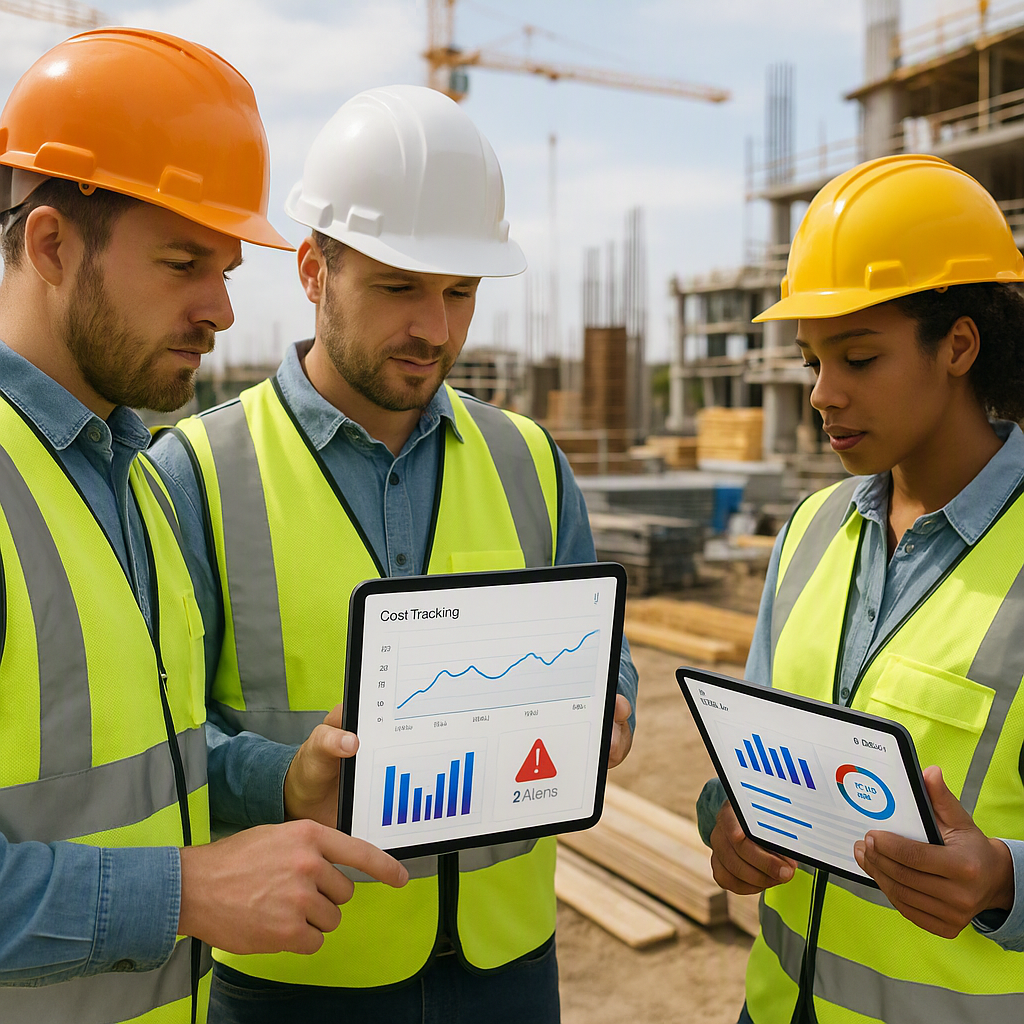
Managing multi-site construction projects is chaos without the right tools. You’ve got crews on different sites, suppliers missing deadlines, and budgets that always seem to overshoot. Sound familiar?
When you’re juggling multiple projects, visibility is everything. But spreadsheets and disconnected tools? They won’t cut it. Why? Because they leave you guessing instead of knowing. And ‘guessing’ doesn’t pay the bills.
The Visibility Gap
Let’s get real: most contractors don’t lack effort — they lack information. Imagine a project manager trying to track equipment usage across five job sites with WhatsApp messages and weekly email updates. It’s a disaster waiting to happen. Missed deadlines. Overbooked machinery. Unplanned overtime.
An Enterprise Resource Planning (ERP) system fixes this by centralizing data. JobNext ERP, for instance, pulls everything — budgets, schedules, procurement, workforce allocation — into one place. Need to know if Site B has spare steel beams? Or whether you’re about to overshoot the budget in Site D? An ERP gives you answers in seconds, not days.
Real-Time Data = Real Control
Delays in construction aren’t just frustrating; they’re expensive. A recent survey showed that 54% of contractors face delays due to workforce shortages or miscommunication. Add multiple sites to the mix, and those delays compound.
Here’s where mobile and real-time systems change the game. With an ERP like JobNext, your site supervisors can log progress, upload photos, and flag issues directly from the field. A delivery didn’t arrive? You’ll know in real-time, not at the end of the week. No more surprises.
The Cost of “Tool Soup”
You might be thinking, “We already have tools for scheduling and accounting. Why do we need an ERP?” Fair question. But here’s the thing: having too many disconnected tools creates more problems than it solves. Research shows that 42% of workers find fragmented systems frustrating. And in a business with tight margins, those inefficiencies hurt profitability.
An ERP replaces tool soup with a unified platform. Instead of jumping between five apps to update schedules, track inventory, and approve invoices, you get one system that handles it all. Simple, right?
What About the Cost?
You might argue, “ERPs are expensive.” True, they’re an investment. But so is losing $50,000 because you double-booked equipment or over-ordered materials. The ROI comes from avoiding costly mistakes. Plus, ERPs today are more flexible. You can start small — say, by streamlining procurement — and add more features as you scale. This phased approach works well for mid-sized contractors hesitant to jump in headfirst.
The Bottom Line
Managing multi-site operations isn’t easy — but it doesn’t have to be chaotic. The right ERP system gives you the visibility and control to avoid costly surprises. Want to keep running in the dark? Or do you want data-driven decisions that actually move the needle? Your call.
Learn more at JobNext.ai - Construction ERP