Introduction
In the bustling construction scene of the GCC, managing HR can feel like juggling flaming torches. You’ve got multi-site operations, a transient workforce, and compliance headaches. It used to be that HR was a paper-heavy chore, but the right software can change that.
Why Traditional Methods Struggle
Traditional HR methods often buckle under the pressure of GCC construction demands. Dealing with multiple sites and international staff creates a complex web of paperwork. Factor in regional compliance rules, and you’ve got a recipe for chaos. The old way of managing this was cumbersome, prone to errors, and frustratingly slow.
Actionable Steps to Improve Traditional Methods
- Centralize Documentation: Implement a centralized digital repository for all HR documents accessible by all sites.
- Standardize Procedures: Develop standardized HR procedures across all sites to reduce errors and improve compliance.
- Focus on Compliance: Regularly update compliance knowledge specific to GCC regulations and train HR staff accordingly.
The Turning Point: AI and Cloud Solutions
The transformation began when AI and cloud-based solutions entered the scene. AI’s ability to automate routine tasks was a revelation. According to BambooHR, automated systems handle everything from payroll to safety compliance, freeing HR managers to focus on more strategic tasks. Suddenly, the impossible seemed possible.
Comparison of Traditional vs. Modern HR Methods
| Feature | Traditional Methods | AI and Cloud Solutions |
|---|---|---|
| Documentation | Paper-based, cumbersome | Digital, centralized |
| Compliance Tracking | Manual, error-prone | Automated, real-time alerts |
| Payroll Management | Slow, often delayed | Fast, automated |
| Strategic Focus | Little to none | High, due to automation benefits |
Why the Shift Took Time
Admittedly, the shift didn’t happen overnight. Many firms held onto traditional methods, viewing them as tried-and-true. There was a comfort in familiarity, even if it wasn’t the most efficient. But as competition and project demands grew, the inefficiencies of old systems became glaringly apparent.
Overcoming Resistance to Change
- Leadership Buy-in: Secure commitment from leadership by demonstrating the long-term cost benefits and efficiency gains.
- Staff Training: Provide comprehensive training to ease the transition from traditional to modern methods.
- Pilot Programs: Start with a small-scale implementation to showcase the benefits before rolling out company-wide.
How Modern Software Makes a Difference
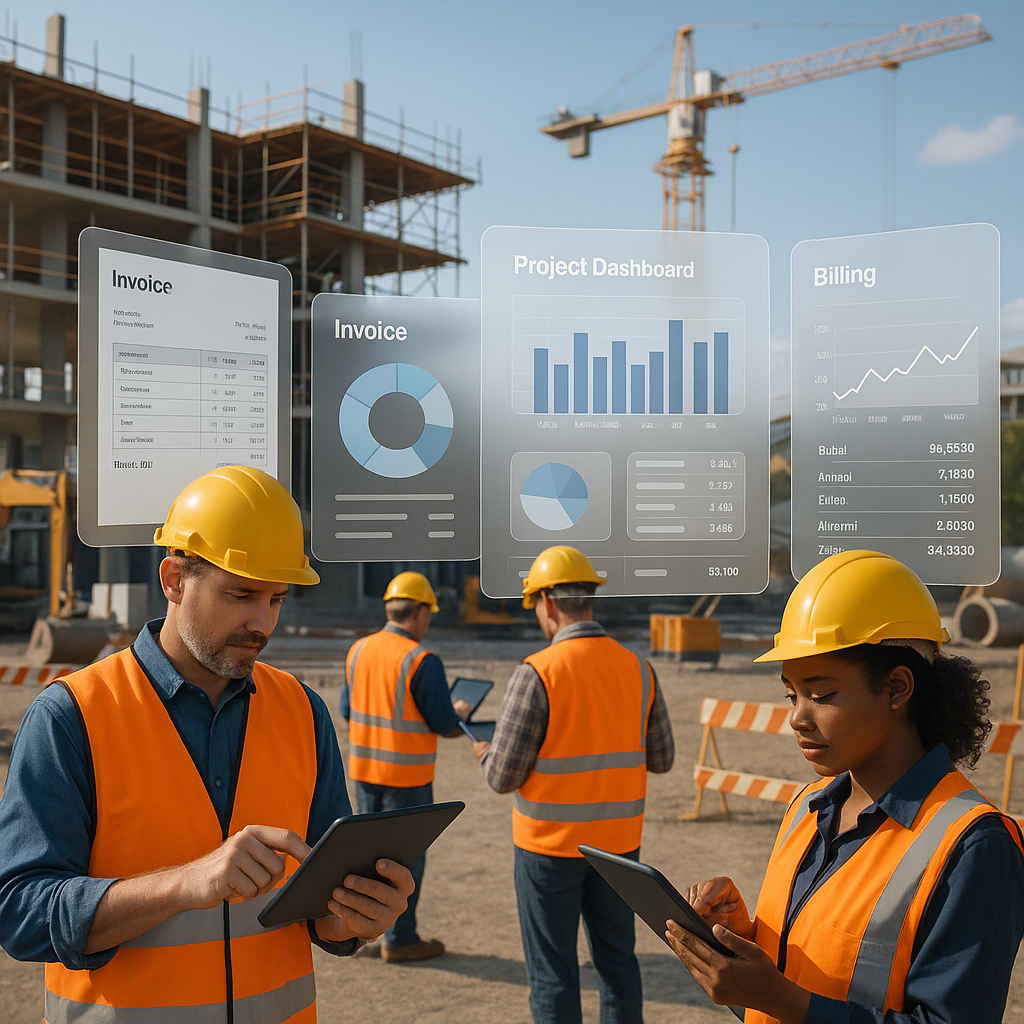
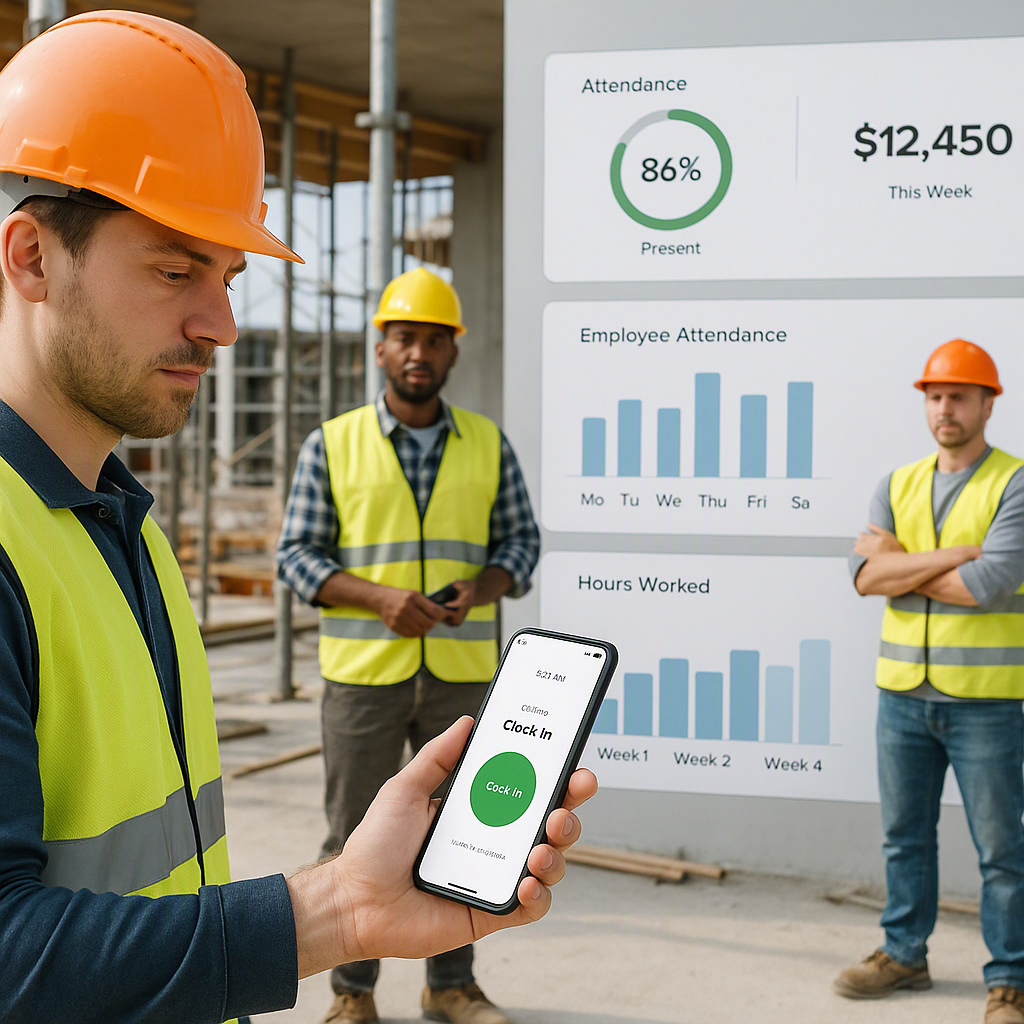
Modern HR management software offers features tailored to the construction industry’s needs. These systems integrate HR with project management, providing real-time dashboards and compliance tracking that are invaluable for managing multi-site operations in the GCC. The AI-driven insights help in decision-making, turning data into actionable strategies.
Actionable Steps for Implementation
- Assess Needs: Conduct a thorough assessment of the company's specific HR needs.
- Select the Right Software: Choose software that aligns with your operational goals and compliance requirements.
- Continuous Evaluation: Regularly evaluate the software’s performance and adapt as needed to meet changing project demands.
The Cost of Sticking with Old Methods
Sticking to outdated methods can cost firms dearly, both financially and operationally. Missed compliance deadlines can lead to hefty fines. Inefficient payroll systems can cause payment delays, affecting worker morale. The real cost, though, is the missed opportunities for growth and efficiency that modern software offers.
Financial Implications
- Fines and Penalties: Non-compliance can lead to significant financial penalties that impact the bottom line.
- Operational Inefficiencies: Delayed payments and slow processes can reduce productivity and increase turnover rates.
What’s Still Uncertain?
Even with these advancements, there’s no perfect solution. Integrating new systems can be daunting, requiring time and training. Not every software perfectly fits every company’s unique needs, and customization can be costly. These challenges mean that while modern HR software is a game-changer, firms need to approach implementation thoughtfully.
Questions to Verify Before Implementation
- Does the software comply with all regional regulations?
- Can the system be customized to fit our specific operational needs?
- What is the total cost of ownership, including training and support?
Conclusion
In the fast-paced world of GCC construction, the right HR management software isn’t just a tool—it’s a necessity. It’s time to retire the paper and embrace the possibilities of AI and cloud solutions. For those ready to make the leap, comprehensive tools are available to navigate these challenges with confidence. However, thorough planning and thoughtful implementation are crucial to maximize the benefits and minimize the transition hurdles.
Learn more at JobNext.ai - Construction ERP