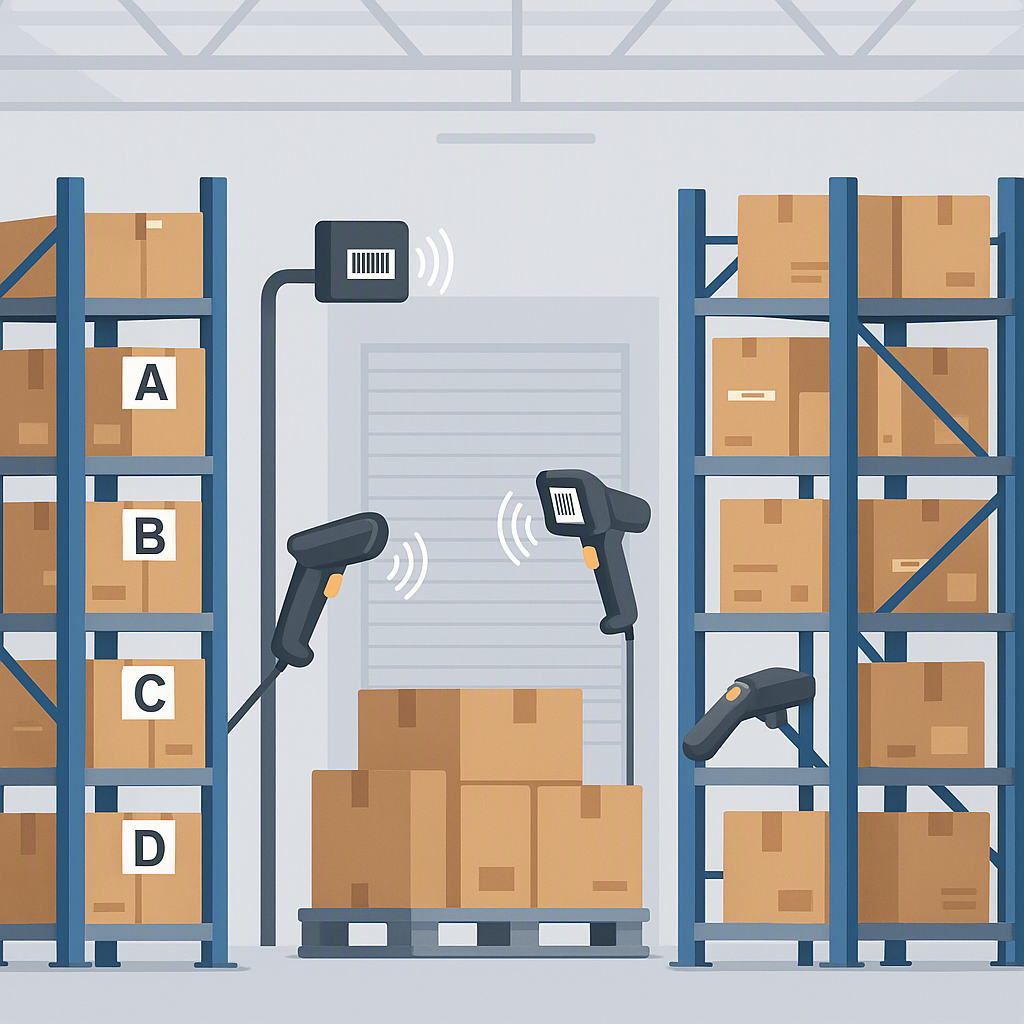
What I Used to Think About Warehouse Inventory Management
For years, I thought FIFO — First-In, First-Out — was the gold standard for managing warehouse inventory. It’s simple. It ensures older stock gets used first, reducing waste from expired or obsolete materials. Plus, it’s easy to automate. Most ERP systems, including JobNext, default to FIFO for stock transactions. It felt like a no-brainer.
We even recommended FIFO to contractors struggling with material cost overruns. “Just automate your stock movement with FIFO logic,” we’d say. It seemed like the cleanest way to keep inventory moving and prevent dead stock. Why complicate something so straightforward?
The Thing That Changed My Mind
A subcontractor in Dubai pushed back hard during an onboarding call in 2024. Their team had been using FIFO through another ERP system for years — and yet, they kept running into compliance issues with inter-site transfers, particularly with GST. Their finance controller explained the problem: FIFO didn’t account for taxable stock transfers where older lots might not match current rates or tax rules. They ended up filing incorrect GST returns, triggering audits and penalties.
That wasn’t the only issue. At a job site in Saudi Arabia, the procurement manager had a different complaint. FIFO kept issuing outdated material lots for critical concrete pours, leading to quality concerns. They needed newer stock for certain scopes, but the system kept defaulting to older lots. Their team resorted to manual overrides, which wasted hours every week.
These weren’t just one-off cases. As we started digging deeper, we realized that while FIFO is great in theory, practical realities sometimes demand more nuanced inventory management solutions.
Why the Old Belief Survived
Honestly, it survived because FIFO works well in theory — and it’s easy to implement. Most inventory management systems, including warehouse-specific tools, make FIFO their default logic. It’s predictable and reduces decision fatigue for warehouse managers. You don’t need to think about which lot to pick; the system does it for you.
Another reason is psychological. FIFO feels safe. It’s the default in countless industries, from grocery stores to manufacturing. It mirrors practices we’re used to in daily life — for example, eating perishable food in the order it was purchased.
And the risks of FIFO are easy to overlook until they hit you. Tax compliance issues often show up months later during audits, not immediately. Quality problems with older stock might only surface after usage, long after the material was issued. For companies juggling dozens of concurrent projects, these risks feel like isolated incidents rather than systemic flaws in the inventory approach. This makes it harder to connect the dots and rethink the underlying logic.
What We Do Differently Now
We’ve stopped treating FIFO as a one-size-fits-all solution. In JobNext, the Logistics module lets warehouse managers configure lot issue logic based on specific job requirements. You can still use FIFO by default, but you can override it with other methods when necessary — like issuing materials based on expiry dates, compliance requirements, or job-specific quality standards.
Expanded Options for Lot Issuance
JobNext offers nine different issue types, which include:
- To Waste: For damaged stock or materials past their useful life.
- By Expiry Date: Ensures materials with the earliest expiration dates are issued first, overriding FIFO.
- To Production: Issues specific lots for use in production processes, where lot selection may depend on quality or other factors.
- Custom Rules: Configure and automate lot selection based on your own criteria, such as compliance regulations or customer preferences.
This flexibility ensures you’re not stuck with the oldest lot when it’s not the best choice. For example, construction sites working on high-spec projects can prioritize newer materials for key scopes while still using FIFO for non-critical items.
Compliance-Centric Features
We also integrated GST-compliant workflows for taxable stock transfers. When transferring stock between sites, the system auto-generates invoices and adjusts GST records at both ends. This ensures compliance without manual intervention — something FIFO alone can’t handle. The system also flags discrepancies in tax rates between lots, so issues can be corrected before filing returns.
This kind of feature is particularly relevant in markets like India, where Goods and Services Tax (GST) compliance is non-negotiable. Errors in GST filings can lead to penalties ranging from 10% to 100% of the tax amount, creating significant financial risks for companies that rely solely on FIFO logic.
Quality Control Measures
JobNext helps prevent quality issues by allowing users to set material-specific quality parameters. For example, if concrete additives need to meet certain standards, the system can prioritize lots that have undergone recent quality checks, regardless of FIFO logic. This reduces the risk of subpar materials being issued.
What Being Wrong Cost Us
I’ll be blunt: sticking with FIFO caused real headaches for clients. Those GST penalties weren’t just an administrative hassle; they ate into margins. The quality issues created friction between contractors and subcontractors, damaging trust. And the manual overrides wasted hours that could’ve been spent on higher-value tasks.
But there’s a deeper truth here: the cost of being wrong isn’t just financial. It also creates hidden inefficiencies and erodes confidence in systems. Employees start to distrust automation and revert to manual processes, which further reduces productivity.
We’re still not sure about the best way to balance automation with manual intervention. Too much automation can lead to blind spots, but too much manual control slows operations. It’s a trade-off we’re still navigating.
Common Mistakes to Avoid
- Blindly trusting FIFO: It’s not a universal solution. Always review whether FIFO logic aligns with your compliance, quality, and operational needs.
- Ignoring lot-level traceability: Without traceability, it’s impossible to audit stock movements or fix errors. JobNext’s lot ledger tracks every transaction, which is critical for compliance.
- Skipping stock adjustments: Physical counts rarely match system records perfectly. Use stock adjustments to reconcile discrepancies and maintain accurate inventory data.
- Over-automating workflows: While automation is essential, ensure your system allows for manual overrides where necessary. Over-automation can lead to rigidity and blind spots.
Comparison Table: FIFO vs Alternatives
| Criteria | FIFO | Expiry-Based Logic | Custom Rules |
|---|---|---|---|
| Ease of Setup | Very easy | Slightly more complex | Requires more configuration |
| Compliance | Limited | Good for perishable compliance | Best for GST or tax compliance |
| Quality Control | Limited | Moderate | High |
| Flexibility | Low | Moderate | High |
| Risk | High (obsolete stock) | Moderate | Low |
Call to Action
If you're struggling with inventory challenges like compliance gaps or quality issues, JobNext’s Logistics module can help. Get started free →
Learn more at JobNext.ai - Construction ERP