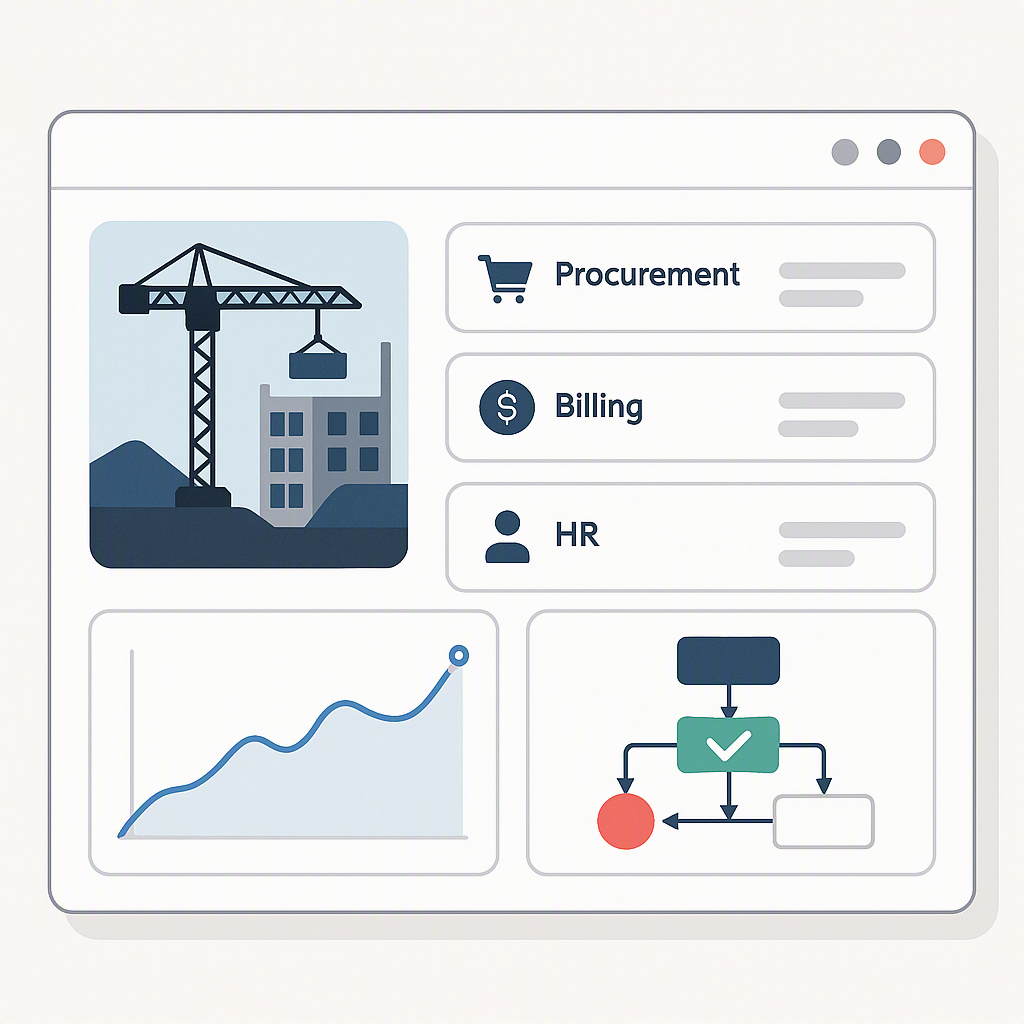
What Are Enterprise Software Solutions and How They Transform Businesses
Enterprise software solutions are specialized applications designed to support and streamline the complex operations of businesses. These solutions are tailored to meet the needs of organizations across industries, helping them manage resources, automate workflows, and improve overall efficiency. According to a 2022 report from Gartner, the global enterprise software market was valued at over $300 billion, reflecting its critical role in modern business operations.
Why Businesses Need Enterprise Software
Modern businesses face a range of challenges, from managing large-scale operations to ensuring compliance with industry regulations. Enterprise software addresses these challenges by:
- Streamlining Operations: Automating repetitive tasks and integrating various business functions into a unified system.
- Improving Accuracy: Reducing human errors in processes like data entry, billing, and reporting.
- Enhancing Collaboration: Facilitating better communication and coordination among teams and departments.
- Scalability: Allowing businesses to grow without being constrained by outdated or inefficient systems.
- Data-Driven Decision Making: Providing real-time analytics and insights to inform strategic decisions.
For example, Salesforce, a leading CRM platform, has helped companies improve customer relationship management by centralizing data and providing actionable insights.
Key Features of Enterprise Software
Enterprise software solutions come with a variety of features designed to address specific business needs. Some of the most common features include:
- Resource Planning: Tools for managing resources like inventory, finances, and human capital.
- Customer Relationship Management (CRM): Systems to track customer interactions, sales, and support.
- Supply Chain Management: Solutions for managing logistics, procurement, and inventory.
- Human Resource Management (HRM): Software for payroll, recruitment, and employee performance tracking.
- Data Analytics and Reporting: Dashboards and tools for analyzing business performance and trends.
- Compliance and Risk Management: Features to ensure adherence to legal and regulatory requirements.
A notable example is SAP, which offers enterprise resource planning (ERP) solutions used by over 440,000 companies worldwide to manage operations and improve efficiency.
How Enterprise Software Transforms Businesses
Enterprise software can have a transformative impact on businesses by addressing inefficiencies and enabling growth. Here’s how:
1. Automating Manual Processes
Manual processes are prone to errors and inefficiencies. Enterprise software automates these tasks, ensuring accuracy and freeing up employees to focus on more strategic activities.
2. Enhancing Collaboration
With centralized systems, teams can access the same data in real time, improving communication and collaboration across departments. For instance, Microsoft Teams, integrated with enterprise software like Microsoft Dynamics 365, enables seamless collaboration and data sharing.
3. Enabling Scalability
As businesses grow, their operations become more complex. Enterprise software provides the scalability needed to manage increased workloads and larger teams without compromising efficiency.
4. Providing Real-Time Insights
Access to real-time data allows businesses to make informed decisions quickly, helping them stay competitive in fast-changing markets.
5. Reducing Costs
By improving efficiency and reducing errors, enterprise software can lead to significant cost savings over time. A study by McKinsey & Company found that companies implementing enterprise software saw operational cost reductions of up to 20%.
Common Mistakes to Avoid When Implementing Enterprise Software
Even the best software won’t deliver results if it’s not implemented correctly. Here are some pitfalls to avoid:
- Inadequate Training: Ensure your team is well-trained to use the software effectively.
- Skipping Customization: While over-customization can be problematic, some level of customization is often necessary to meet specific business needs.
- Ignoring Integration: Make sure the software integrates seamlessly with your existing systems to avoid data silos.
- Underestimating Change Management: Transitioning to new software requires careful planning and communication to ensure buy-in from all stakeholders.
In Conclusion
Enterprise software solutions are more than just tools; they are enablers of business transformation. By automating processes, improving accuracy, and providing actionable insights, these solutions help businesses operate more efficiently and effectively. Whether you’re a small business looking to scale or a large enterprise aiming to optimize operations, investing in the right enterprise software can be a game-changer for your organization. With companies like SAP and Salesforce leading the way, and a market valued at over $300 billion in 2022, the importance of enterprise software in today’s business landscape cannot be overstated.
Learn more at JobNext.ai - Construction ERP