Why Margins Matter More Than Ever
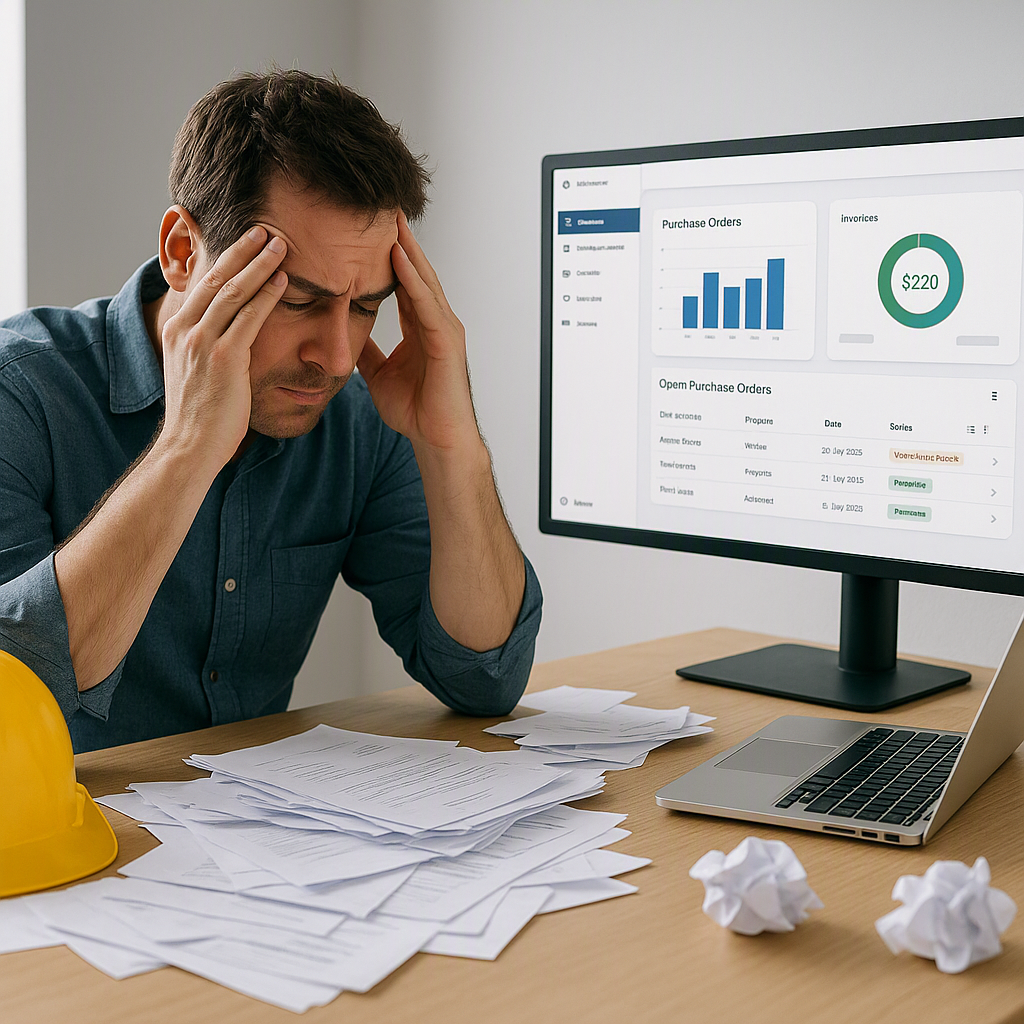
Margins are everything in contracting. When you're juggling multiple projects, tight deadlines, and fluctuating costs, even a small oversight can snowball into a major problem. A single missed invoice or poorly tracked material requisition can significantly impact your profitability. Contractors operating with razor-thin margins simply cannot afford to overlook the importance of precise cost management.
Many contractors think they have it under control with spreadsheets or disconnected systems. They don't. Spreadsheets are static, prone to errors, and terrible for collaboration. Disconnected tools mean important data slips through the cracks, making it nearly impossible to get a real-time picture of project profitability. This is where enterprise software solutions can make a massive difference.
The Problem: Poor Cost Tracking
One common issue contractors face is margin erosion. This isn’t just about overspending—it’s about not knowing where you’re losing money until it’s too late. Margins fluctuate constantly, and without proper systems and processes in place, contractors are often left scrambling to uncover the root causes of their financial leaks. Here’s what typically happens:
1. Material costs spiral out of control
Procurement teams often operate in silos, disconnected from project management and accounting systems. This lack of visibility means they’re unaware of how much of the approved budget is left for a project. Over-ordering, rush orders, or purchasing the wrong materials can quickly eat into profits.
2. Invoices pile up
Work gets done, but billing delays or errors mean revenue leakage. Many contractors rely on manual processes to track completed work and generate invoices, which leaves room for missed billing opportunities or inaccuracies.
3. Subcontractors overshoot costs
Without measurement-based progress tracking, payments to subcontractors can exceed the contracted scope. This creates disputes and can lead to substantial financial losses. Without clear visibility into subcontractor progress, contractors struggle to ensure they’re only paying for completed work.
4. Equipment sits idle
Poor asset management results in equipment being underutilized or even hired unnecessarily. Idle equipment is a silent cost that can balloon over time. Without a system to track utilization, it’s difficult to know what’s being used efficiently and what’s not.
The Fix: Real-Time Cost Tracking
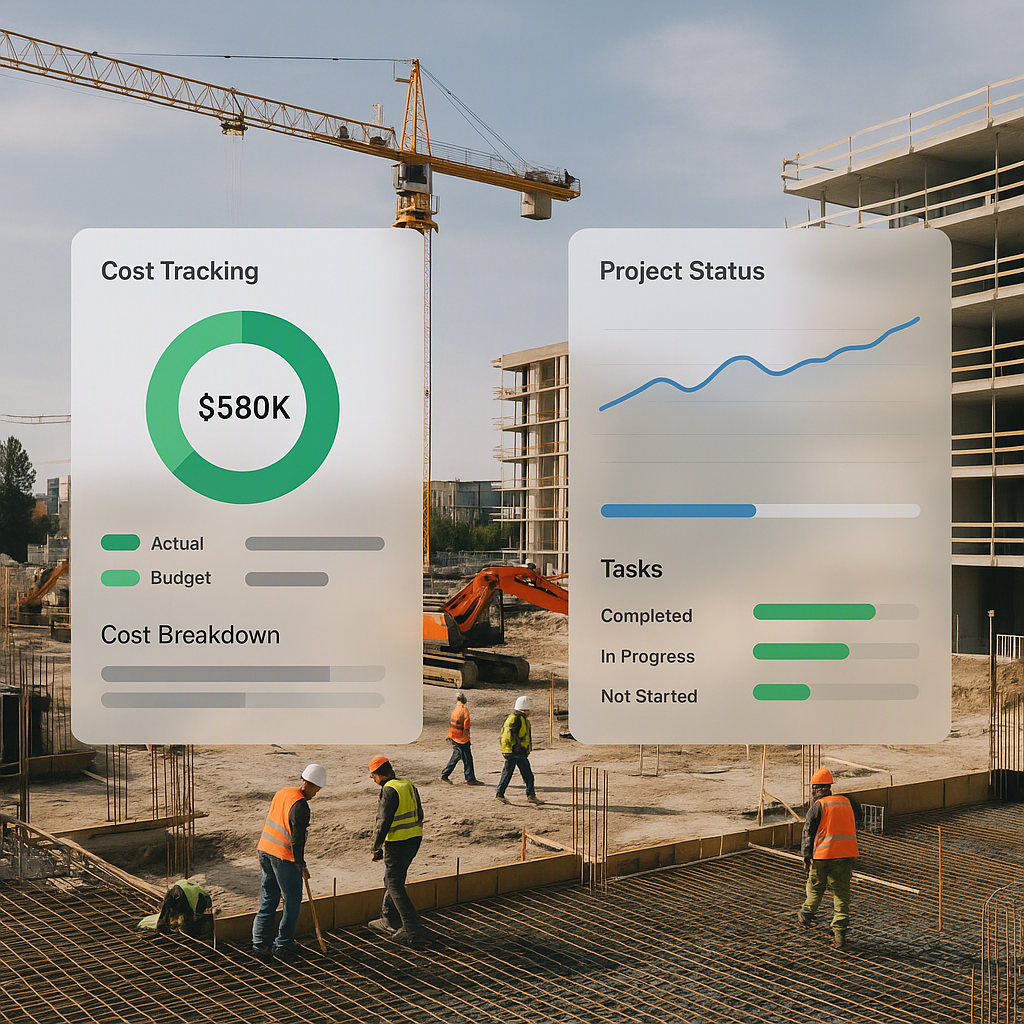
So, how do you fix this? You need a system that ties together budgeting, procurement, billing, and project execution in real-time. That’s exactly what platforms like JobNext do. By providing a centralized platform for all financial and operational data, these systems help contractors stay in control of their margins.
Key Features of Real-Time Cost Tracking
-
Alerts for budget overruns
- If you’re about to exceed the approved budget for a material requisition, the system flags it before issuing the purchase order (PO). This ensures you don’t overspend without higher-level approval.
-
Accurate billing
- Multiple billing methods ensure you capture every piece of completed work, whether it’s through RA (Running Account) bills, stage-wise billing, or combined methods. This reduces missed revenue opportunities and ensures you're paid for the work you’ve done.
-
Subcontractor payment controls
- Progress tracking ensures you pay for work done, not for vague promises. Subcontractor measurements are locked in the system, preventing disputes over payment and scope creep.
-
Equipment tracking
- Real-time tracking of equipment usage ensures that resources are allocated efficiently. You can identify idle machinery and redeploy it to other projects or avoid unnecessary rentals.
A Practical Example: Procurement Workflow
Let’s break down a practical example—the procurement workflow. Most small to mid-size contractors handle procurement manually, which often creates chaos. A structured, automated process can eliminate inefficiencies and save time while protecting margins. Here’s how a streamlined procurement workflow works in enterprise software:
1. Material Requisition (MR)
- Site teams raise requests directly in the system, specifying quantities and urgency. This eliminates the need for back-and-forth emails or phone calls.
2. Request for Quotation (RFQ)
- Procurement teams send RFQs to vendors, who respond through an integrated portal. This standardizes vendor communication and ensures you’re comparing apples to apples.
3. Vendor Offers
- The system lets you compare vendor proposals side-by-side, with visibility into past performance, lead times, and pricing trends. This data helps you make more informed purchasing decisions.
4. Purchase Order (PO)
- Once the best vendor is selected, the system generates the PO and tracks delivery timelines. It also ensures that any deviations from the budget are flagged for approval.
Each step enforces budget discipline, avoids miscommunication, and reduces the risk of errors.
Why Real-Time Matters
You might be thinking, “Can’t I just track costs weekly or monthly?”
No, you can’t. Margins are dynamic—they shift with every invoice, every delivery, and every change order. By the time you’ve reviewed your monthly reports, the damage is already done.
Real-time systems, on the other hand, keep you ahead of the curve. For instance, if a subcontractor submits measurements exceeding the agreed scope, the system blocks the payment until the discrepancy is resolved. This isn’t just about saving money—it’s about protecting your bottom line and ensuring every dollar is accounted for.
What Enterprise Software Solutions Do Differently
Enterprise software solutions like JobNext don’t just replace spreadsheets; they fundamentally change how you operate. Here’s why they’re a game-changer:
| Feature | Spreadsheets & Manual Processes | Enterprise Software Solutions |
|---|---|---|
| Data Accuracy | Prone to errors | Automatic validation eliminates errors |
| Collaboration | Limited, slow | Real-time access for all stakeholders |
| Scalability | Hard to manage for large teams | Easily scales across multiple projects |
| Insights | Limited to static reports | Dynamic dashboards and analytics |
| Integration | Non-existent | Connects budgeting, procurement, billing, and execution |
Common Mistakes to Avoid
Even the best systems won’t help if you misuse them. Here are some pitfalls to watch for:
-
Ignoring alerts
- If your system flags a budget overrun, act immediately. Don’t wait until the next review meeting to address the issue. Delayed action can lead to cascading problems.
-
Skipping training
- Enterprise software is a tool, not magic. Your teams need to understand how to use it effectively. Invest in proper training for all users to ensure adoption and minimize errors.
-
Over-customizing
- Too much customization can make the system complex and hard to scale. Stick to standard workflows wherever possible to maintain simplicity and flexibility.
Call to Action
If margin erosion, disconnected tools, or manual chaos are hurting your business, JobNext can help. See how JobNext works →
Learn more at JobNext.ai - Construction ERP