Why Businesses Struggle Without Enterprise Software
Most companies don’t realize how much time and money they’re wasting juggling disconnected tools. Are you stuck copying data between spreadsheets? Losing track of project costs? Missing deadlines because your systems don’t talk to each other? You’re not alone.
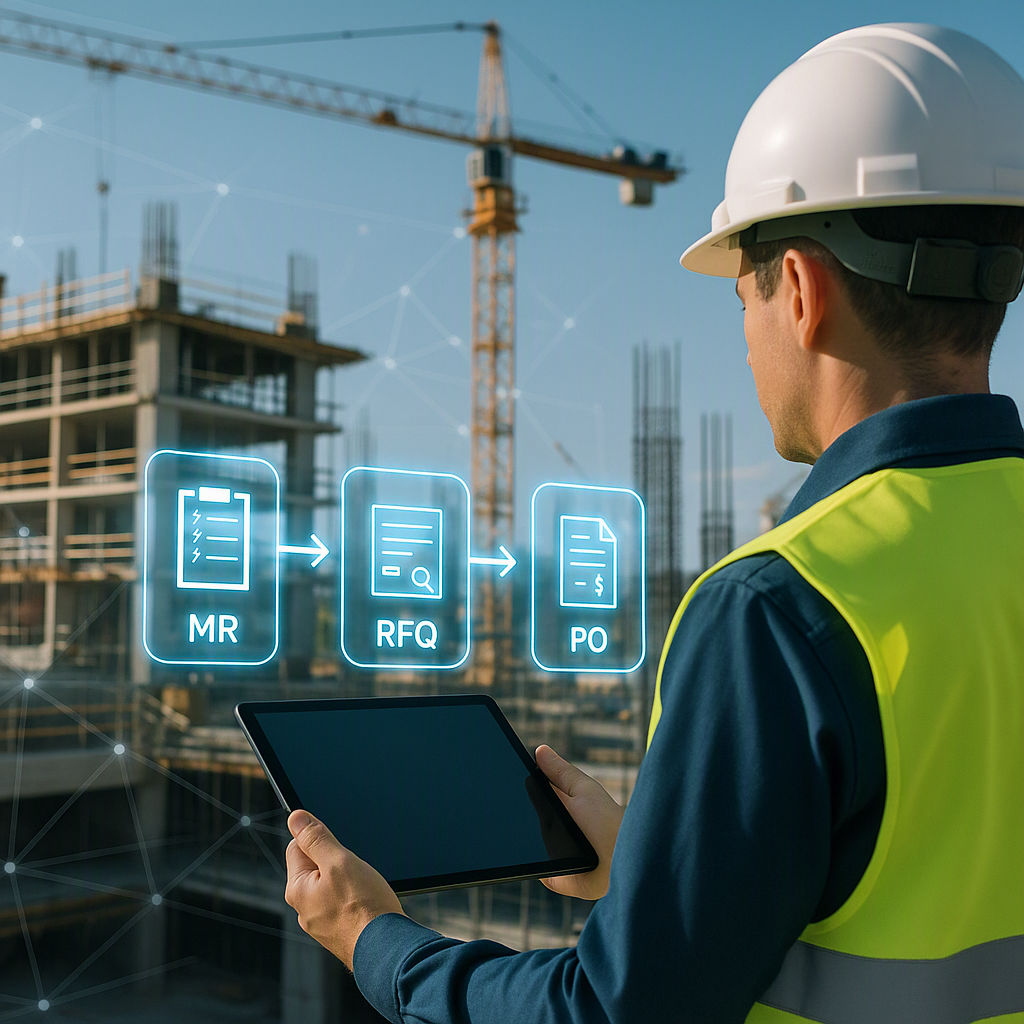
Take construction businesses, for example. Margins are razor-thin — sometimes less than 5%. A single billing error or missed change order can wipe out profits for an entire project. We’ve seen this happen countless times. That’s why cloud-based ERP systems like JobNext ERP exist. They give contractors real-time visibility into costs, so they can catch problems before it’s too late.
And it’s not just construction. Recruitment teams often grapple with outdated applicant tracking systems that can’t handle the demands of modern hiring. That’s where AI-powered tools like TalentNext come in, helping teams screen candidates faster and more accurately.
What Exactly Are Enterprise Software Solutions?
Here’s the short version: enterprise software solutions are tools designed to solve specific problems for businesses. They’re often SaaS (Software-as-a-Service) platforms, meaning they’re hosted online, updated regularly, and accessible from anywhere. Examples? ERP systems for managing operations, CRM platforms for customer relationships, and AI tools for automating repetitive tasks.
But not all enterprise software is created equal. Generic tools might get you started, but they won’t scale with you. It’s like trying to run a marathon in flip-flops — you need the right gear. That’s why we always recommend looking for products built specifically for your industry. A construction ERP like JobNext is designed with features contractors actually need (think real-time cost tracking, automated billing, and project scheduling).
How Enterprise Software Transforms Businesses
Let’s get specific. Here are three ways enterprise software can completely change how you operate:
-
Simplifying Complex Processes
Got a messy workflow involving five tools and three teams? Enterprise software can consolidate that into one central platform. For example, Al Nab'a Services, a 6,000-employee facilities management company, automated their entire payroll and contract management system using a cloud ERP. The result? They went from 21-day payroll cycles to real-time processing. -
Reducing Costly Errors
Every manual data entry is a chance for something to go wrong. Enterprise software automates these processes, reducing errors and saving money. Contractors, for instance, lose up to 20% of project margins due to poor cost tracking and billing mistakes. A proper ERP, like JobNext, can cut those losses significantly. -
Improving Decision-Making
It’s hard to make good decisions without accurate, up-to-date data. Enterprise software gives you dashboards, reports, and analytics to see what’s working — and what’s not. Want to know if your hiring process is too slow? An AI recruitment tool like TalentNext can show you exactly where candidates are dropping off, so you can fix it.
What’s the Catch?
You might be thinking, “This sounds great, but isn’t enterprise software expensive?” It can be. But let’s put it in perspective. What’s more expensive: investing in tools that prevent margin erosion or losing 10% of your profits every year? For most businesses, the ROI is clear.
Another common worry is implementation. Yes, adopting enterprise software takes effort. You’ll need to train your team, migrate data, and adjust workflows. But here’s the thing — the right provider will guide you through this process. At SoftNext, we’ve helped dozens of companies make the switch smoothly. The key is choosing a platform that fits your business, not the other way around.
Final Thoughts
Enterprise software solutions aren’t just for Fortune 500s. Whether you’re a 50-person contracting firm or a mid-size event organizer, the right tools can transform your business. Start by asking: what’s the biggest pain point in your operations? Chances are, there’s software out there designed to fix it.
And if you’re in construction, we’d strongly recommend checking out JobNext ERP. It’s built for contractors, by people who understand the industry. No fluff, just tools that work.
Learn more at JobNext.ai - Construction ERP