I Used to Think Cloud ERP Wasn't Necessary for Contractors
When someone mentioned 'cloud ERP solutions' for contractors, I used to roll my eyes. I thought, "Why would a small or mid-size contractor need a complex, cloud-based system?" ERP sounded like something meant for billion-dollar companies with global supply chains, not a 200-person HVAC contractor in Pune or an interior fit-out firm in Dubai.
Back then, I recommended simpler tools: Excel for BOQs, Tally for accounting, and maybe a basic project management app for task tracking. It worked well enough, or so I thought. Why pay for a system that seemed like overkill? Why risk the learning curve, implementation headaches, or employee pushback?
I even advised one client—a landscaping contractor with 150 employees—to stick with their disconnected tools instead of investing in ERP. I said, "You don't need that level of complexity." I cringe now thinking about it.
What Changed My Mind
It wasn’t a single epiphany. It was a series of small but undeniable failures I saw while working with contractors over the years. One moment stands out, though.
A contractor I worked with was running multiple projects simultaneously, using spreadsheets for cost tracking and a standalone accounting tool. During a project review, the finance controller showed me their BOQ margins for a high-rise project. They had experienced significant margin erosion due to unbilled extras and subcontractor overruns that slipped through the cracks.
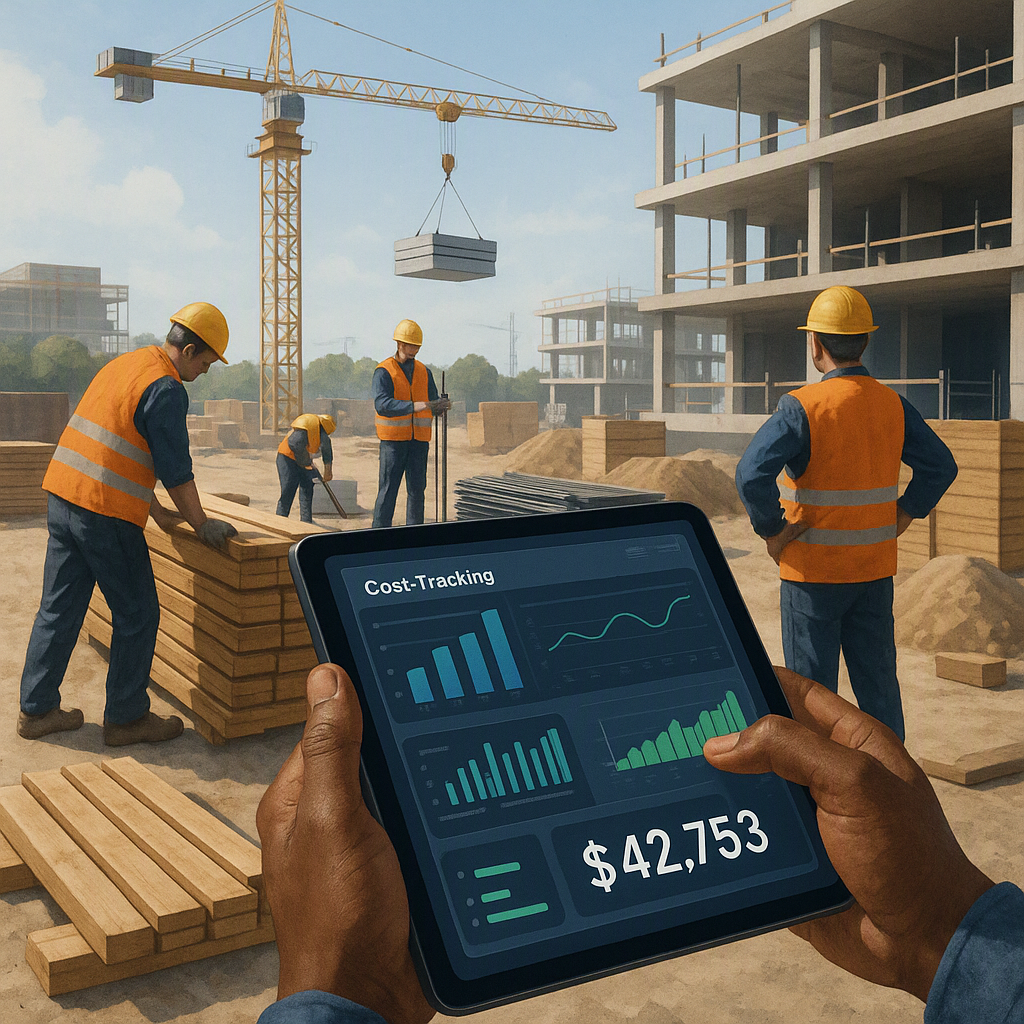
It wasn’t just one project. Across their portfolio, they had no unified system to link procurement data, subcontractor payments, and project billing. Material requisitions were delayed, invoices got stuck in approval loops, and subcontractor work often went unmeasured before payments were made. The result was margin erosion—something that could have been avoided with real-time cost tracking and workflow integration.
That experience was a wake-up call. I started digging into how cloud ERP systems address these issues. What I found completely changed my perspective.
Why My Old Belief Survived So Long
I’ll admit, my skepticism wasn’t entirely unfounded. ERP systems have a reputation for being expensive, hard to implement, and over-engineered for smaller contractors. And let’s be honest—many of them are. I’ve seen ERP projects go horribly wrong because the system didn’t fit the business model.
But my mistake was lumping all ERPs into the same category. I didn’t realize how purpose-built platforms focus specifically on contractor workflows, solving problems that generic systems don’t even address. For example, structured material procurement workflows (MR → RFQ → Vendor Offers → PO) eliminate the chaos often seen in contractor operations. They also enforce budget discipline by linking every purchase order to an approved budget.
Another factor: I underestimated the hidden costs of disconnected systems. Sure, Excel and Tally might look cheaper upfront, but the margin erosion from untracked expenses, unbilled work, and compliance errors can easily outweigh any savings. Let’s break that down:
| Disconnected Tools | Cloud ERP |
|---|---|
| Manual data entry errors | Automated data synchronization |
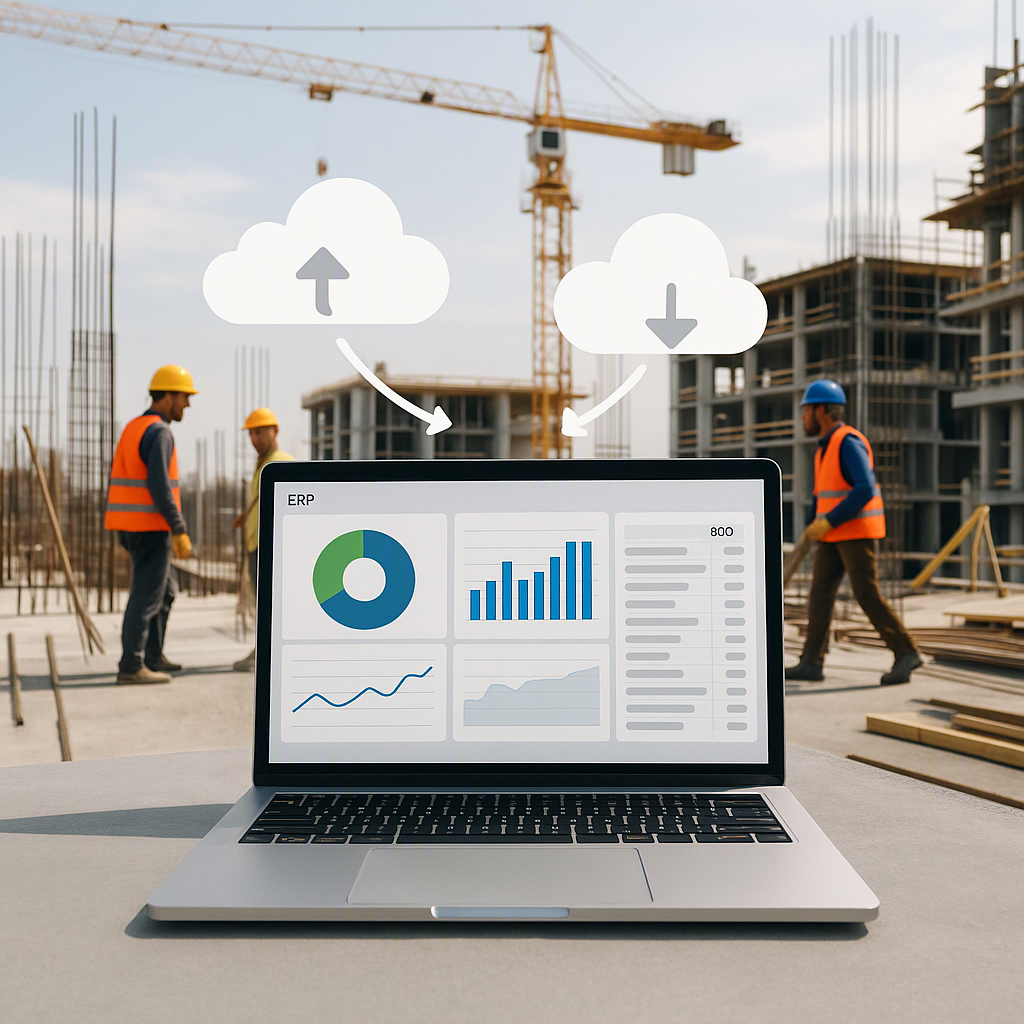
| Delayed decision-making | Real-time dashboards and reports |
| Unbilled or missed work items | Automated billing workflows |
| Poor coordination across teams | Unified data for seamless collaboration |
| Limited scalability | Scales effortlessly with your growth |
What I Do Differently Now
These days, I take a much closer look at the specific needs of a contractor before recommending a solution. If they’re managing multiple projects across locations, I almost always suggest a cloud-based ERP. Why? Because the alternative—disconnected tools—just doesn’t cut it for complex workflows.
Here’s a step-by-step outline of what I recommend to contractors now:
1. Assess Current Pain Points
- Identify areas where your current tools fall short: delayed approvals, unbilled work, or missed project deadlines.
- Talk to your team—especially those handling procurement, project management, and finance—about their biggest frustrations.
2. Evaluate ERP Features That Directly Address These Issues
- Real-Time Cost Tracking: Look for tools that allow live BOQ and cost comparisons.
- Automated Workflows: Systems that link procurement to project budgets and approvals eliminate manual errors.
- Billing Flexibility: Ensure the platform supports multiple billing methods like RA bills and milestone-based payments.
- Subcontractor Management: Check for features like automated measurement and payment approvals for subcontractors.
3. Calculate ROI
- Compare the cost of the ERP with the money lost to inefficiencies and margin erosion. For example, if delayed approvals cost you 2% of your project value on average, a system that eliminates those delays might pay for itself in months.
4. Plan Change Management
- Work with a vendor that offers training and onboarding support to ensure smooth adoption.
- Start with a pilot project to prove the system’s value to your team before rolling it out company-wide.
What Being Wrong Cost Me
Looking back, I realize I cost some clients opportunities to improve their operations. That landscaping contractor I mentioned earlier? They eventually adopted a cloud ERP system (not through me), and their operations improved dramatically. They now have better visibility into project profitability, manage subcontractors more effectively, and have streamlined their billing processes.
I also lost credibility with some clients who followed my bad advice and later discovered the limitations of disconnected tools. It’s a humbling experience, but it taught me to be more open-minded and thorough in evaluating solutions.
Final Thoughts
If you’re a contractor struggling with margin erosion, billing errors, or disconnected workflows, it’s worth exploring cloud ERP solutions. Platforms designed for contractors address specific challenges, from BOQ-based cost tracking to multi-site HR management. The right system can save you time, money, and operational headaches.
The key is to choose a platform that aligns with your business needs and to invest in proper training and change management. Done right, the switch to a contractor-focused cloud ERP system can be one of the smartest decisions you make.
Want to see how it could work for your business? Get started free →
Learn more at JobNext.ai - Construction ERP