The Turning Point
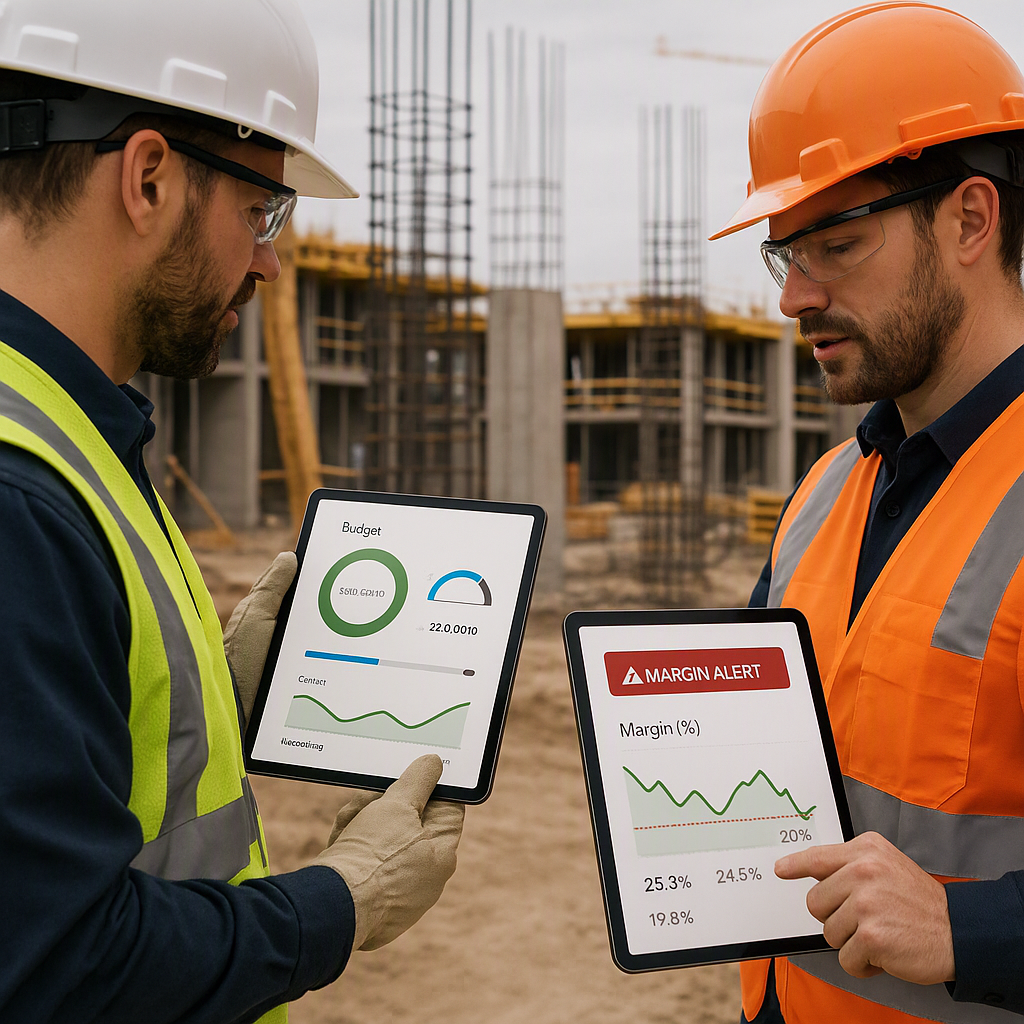
In 2023, the construction industry faced significant challenges, with studies showing that cost overruns can erode project margins by as much as 15%. According to a report by the Construction Financial Management Association (CFMA), unexpected subcontractor bills and under-quoted estimates are among the top reasons for these overruns. These issues, if left unchecked, create financial strain, particularly for mid-sized contractors operating in competitive markets.
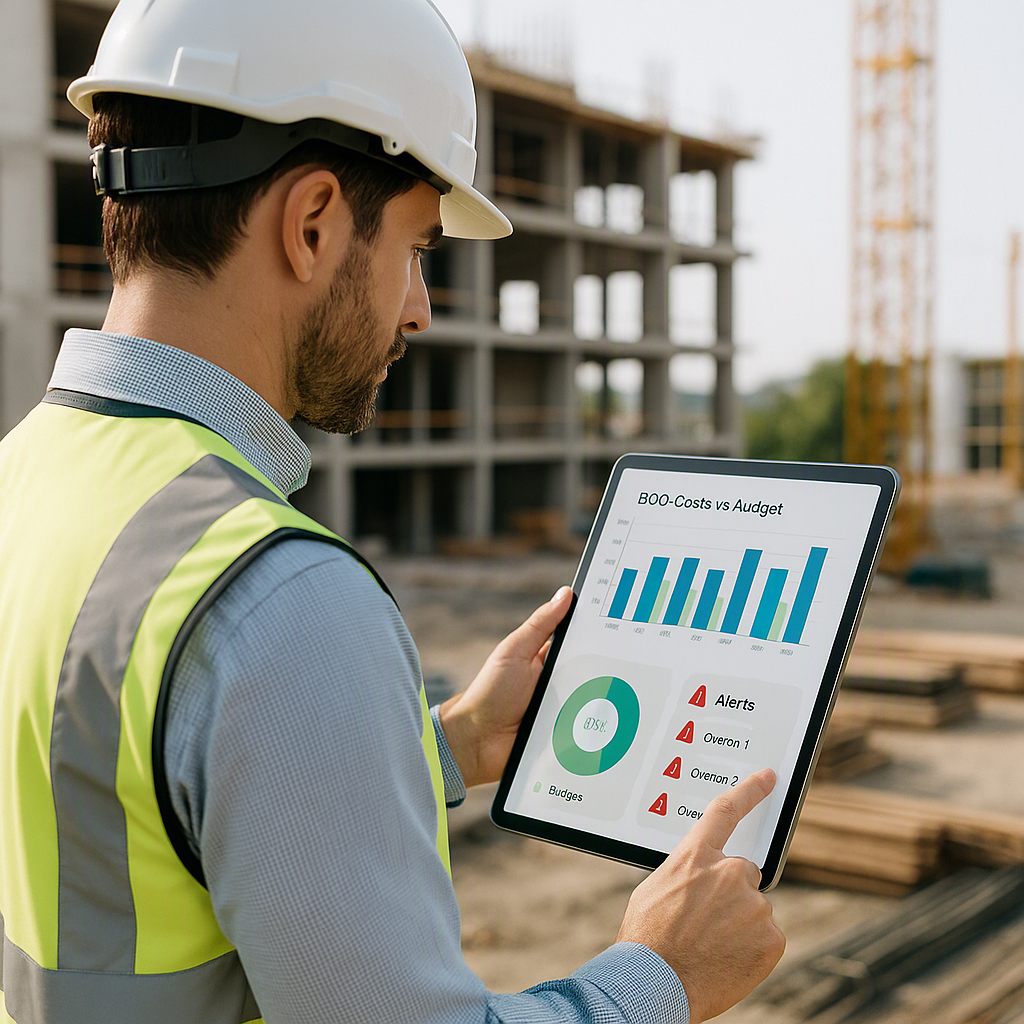
One example of a solution gaining traction is real-time profitability dashboards. These tools allow businesses to monitor costs across every Bill of Quantities (BOQ) line item, providing immediate visibility into variances against original estimates. For instance, if a specific material request exceeds the budget by 10%, the system flags it in real time, enabling teams to take corrective actions like renegotiating vendor terms or halting non-essential purchases.
Why I Got It Wrong
For years, I dismissed enterprise software as overhyped. Part of my skepticism stemmed from the sheer volume of vendor claims, like "Our platform will transform your business." But these pitches often lacked specifics, leaving me to assume they were selling flashy dashboards that required constant manual updates.
Another reason for my doubts was the lack of transparency in success stories. For example, while some vendors touted case studies of companies increasing profitability by 20%, they rarely disclosed how many failed implementations occurred along the way.
Lastly, I underestimated the value of real-time tracking for mid-sized businesses. I thought a contractor with 200 employees could manage just fine with spreadsheets. But I’ve since learned that even mid-sized teams face risks that spreadsheets can’t mitigate, such as delayed identification of cost overruns.
What Real-Time Cost Tracking Actually Does
Real-time cost tracking isn’t just about making your reports look polished—it’s about identifying financial risks before they spiral out of control. Here’s how it works in modern enterprise software solutions:
-
BOQ, Scope, and Estimate Monitoring: Every resource—materials, labor, equipment—is tied to its BOQ line item. For example, if a project’s labor costs exceed the budgeted $50,000 by 5%, the system flags it immediately.
-
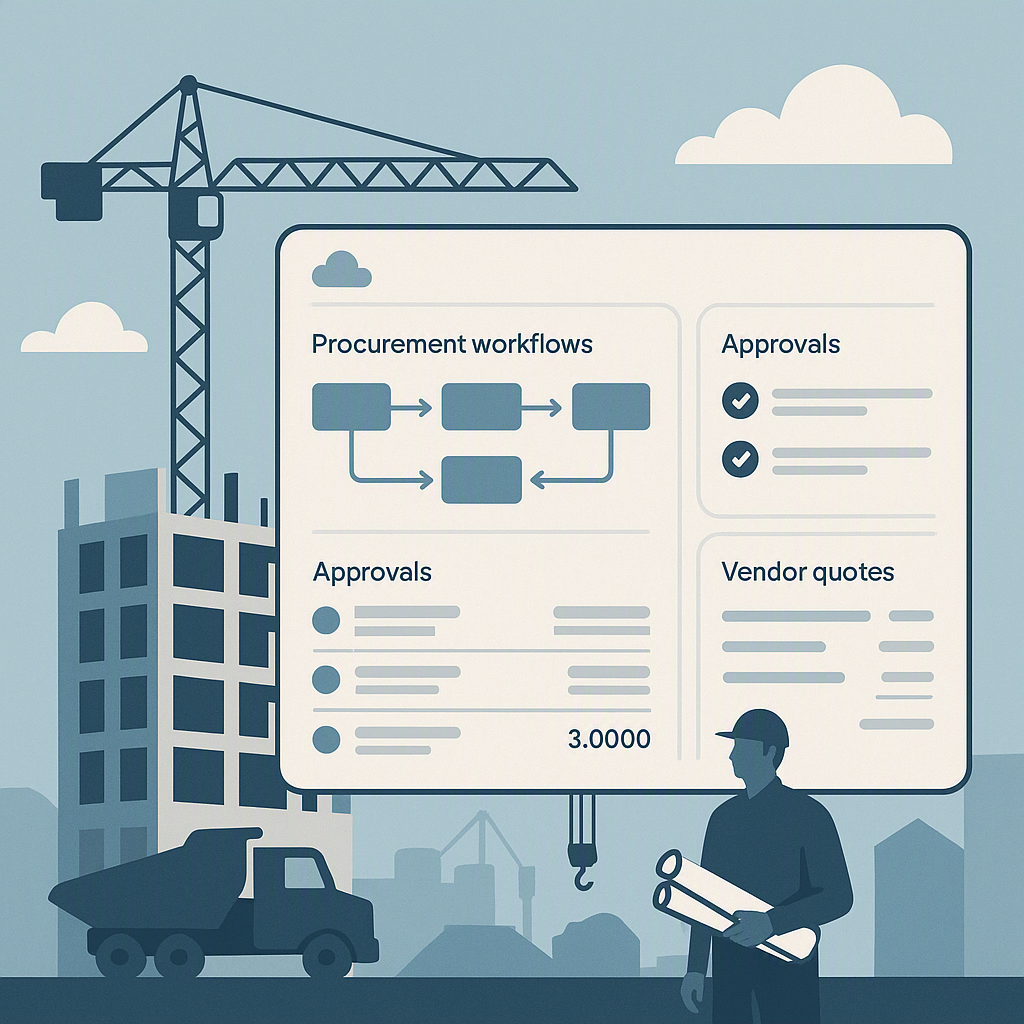
Approval Chains for Spend Control: Before any material purchase or subcontractor payment, the system checks it against the approved budget. If it’s over, it requires escalation for approval. This ensures that no unapproved expenses slip through the cracks.
-
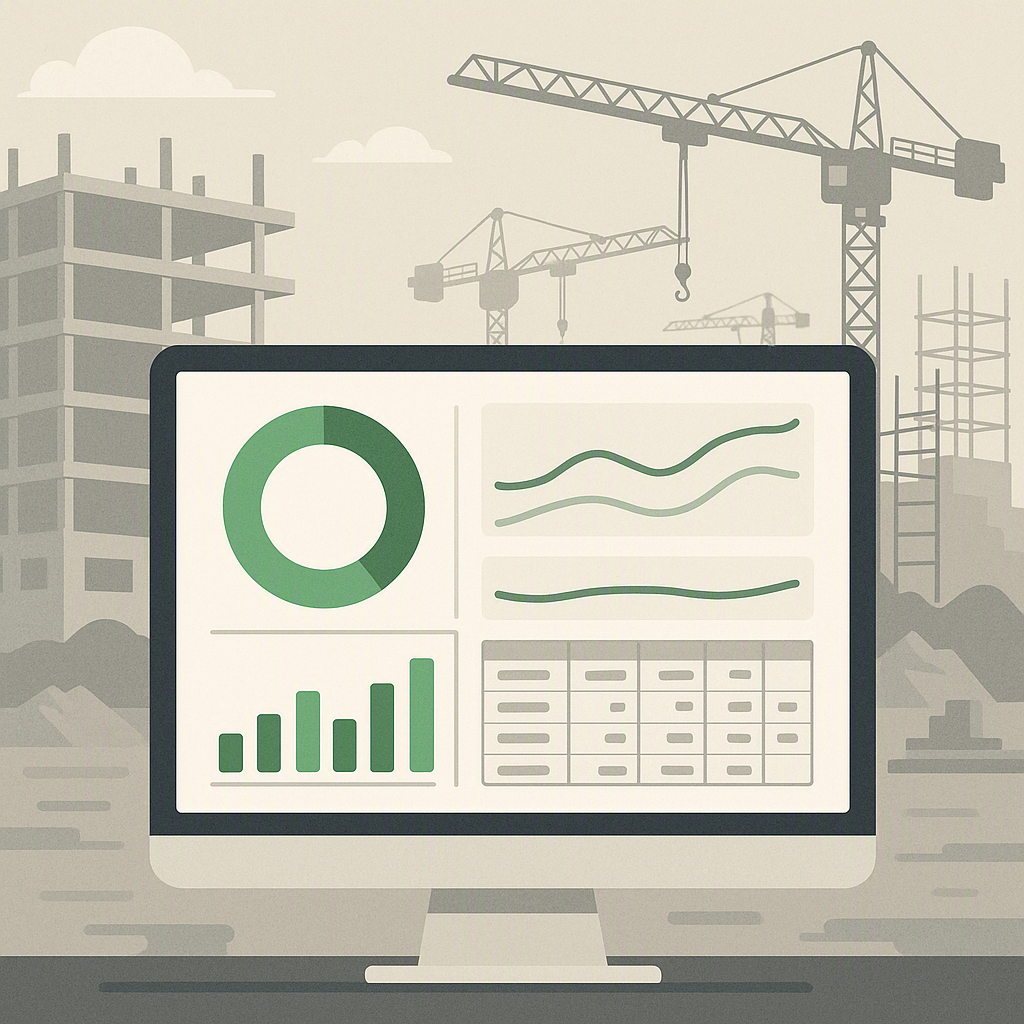
Data Visualization: Dashboards provide clear, actionable insights for project managers and finance controllers. For instance, a contractor managing five simultaneous projects can quickly identify which one is at risk of exceeding its $1 million budget.
What I Do Differently Now
I no longer dismiss enterprise software as fluff. But I’ve also learned to evaluate solutions critically. Here’s what I focus on:
- Tangible Value: Can the software provide actionable insights within the first 30 days? For example, real-time cost tracking often delivers quick wins by identifying budget variances early.
- Simplicity: Does it integrate seamlessly with existing workflows? If it requires hours of manual data entry, it’s not worth the investment.
- Scalability: Can it grow with my business? A contractor managing $10 million in annual projects today might handle $20 million in five years, and the software should support that growth.
What I’m Still Unsure About
Enterprise software is not a magic bullet. For example, the CFMA report highlights that 30% of failed implementations result from poor team buy-in and inadequate training. Additionally, for very small contractors managing projects under $500,000, the cost of implementing a full ERP solution might outweigh the benefits. In such cases, disciplined use of spreadsheets could still suffice.
The Takeaway
Real-time cost tracking in enterprise software isn’t just a buzzword—it’s a lifeline for businesses managing complex projects. According to CFMA, companies that adopt these tools can reduce cost overruns by up to 12%. If you’re running multiple jobs and relying on spreadsheets, you’re taking unnecessary risks. The margin erosion will catch up to you.
For contractors managing multiple projects or larger teams, the risks of NOT having real-time tracking far outweigh the costs. It’s time to embrace tools that provide actionable insights and protect your bottom line.
Learn more at JobNext.ai - Construction ERP