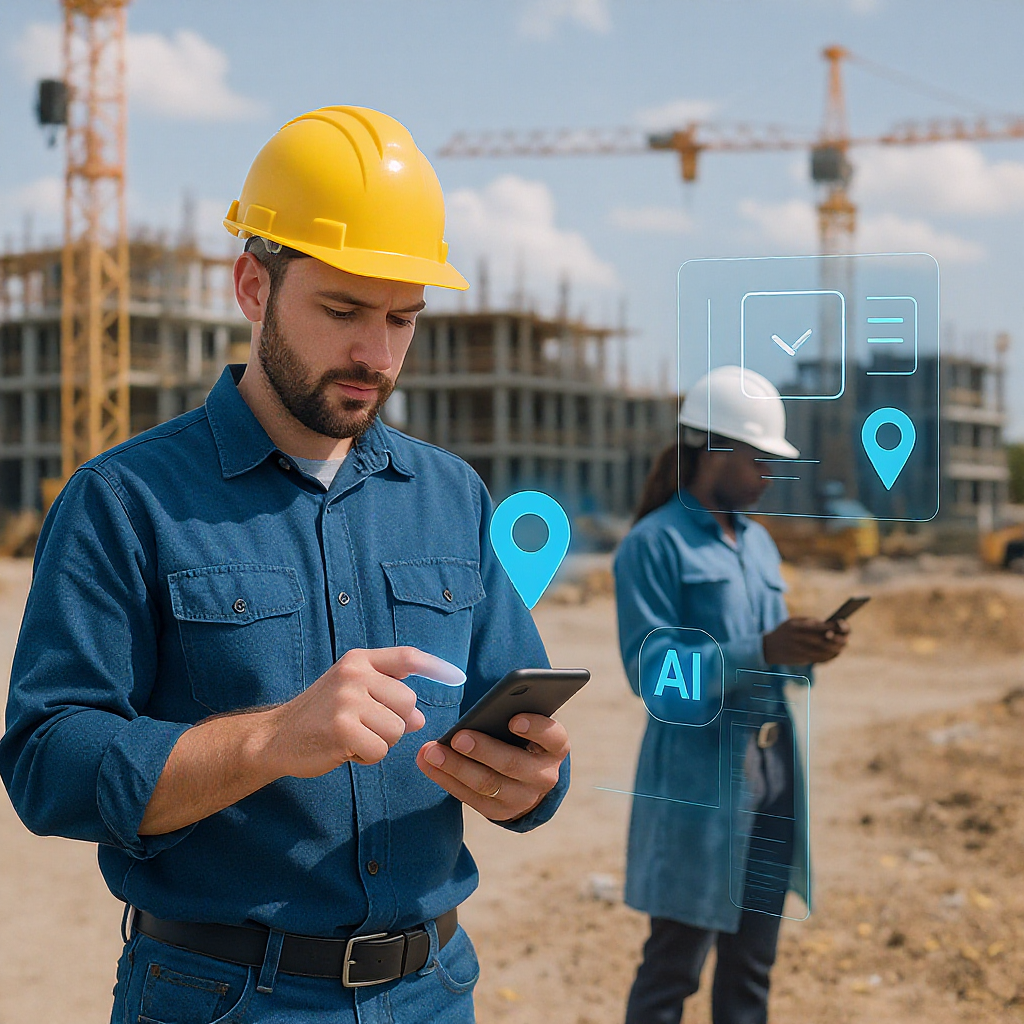
Why Attendance Tracking for Field Teams Is Broken
Managing attendance for distributed teams has always been a headache. Paper timesheets? Often inaccurate. Manual check-ins? Easily manipulated. Biometric systems? Great in theory, but try installing fingerprint scanners across 50 job sites. For construction, facilities management, and similar industries, it’s just not practical.
You’ve probably dealt with payroll disputes where workers claim they were on-site, supervisors say otherwise, and there’s no way to prove who’s right. Or worse — projects where site supervisors fudge attendance numbers to cover for their teams. It happens more than anyone admits.
GPS: The First Step Toward Accountability
GPS tracking fixes one part of the problem — knowing where your team is. With mobile apps, workers can clock in and out from their phones, and systems can verify their location automatically. No more fake check-ins from two miles away.
But GPS alone isn’t enough. Why? Because location data is just one piece of the puzzle. It doesn’t tell you how long someone worked, what tasks they completed, or if they were actually productive. For that, we need AI.
AI: Turning Data into Insights
Here’s where AI steps in. Modern workforce management systems don’t just log attendance; they analyze patterns. For example, an AI-powered system can flag anomalies, like workers clocking out early every Friday or sites reporting unusual overtime hours. It can also predict workforce needs based on historical data, eliminating last-minute staffing surprises.
Take JobNext ERP, for instance. Their mobile app integrates GPS tracking with AI analytics, giving project managers real-time visibility into field operations. According to their blog, having this data at your fingertips can eliminate blind spots that lead to delays.
Real-World Results
Let’s talk numbers. One facilities management company we worked with implemented GPS and AI attendance tracking across 1,200 sites. Within six months, payroll disputes dropped by 40%. Their HR team saved 200+ hours per month on manual reconciliation. And the field supervisors? They couldn’t manipulate attendance anymore.
Skeptical? Here’s What You’re Thinking
You might be wondering, “What about privacy concerns? Won’t workers resist GPS tracking?” It’s a fair point. Some teams do push back initially. But when you frame it as a way to ensure fair pay and eliminate disputes, most workers get on board. Transparency is key — let employees see their own attendance data and understand the system’s purpose.
The other objection is cost. Yes, implementing GPS and AI systems isn’t cheap. But compare it to the cost of payroll errors, missed deadlines, and inefficiencies. For most companies, the ROI is clear within a year.
What’s Next?
As AI evolves, expect even smarter attendance tracking. Tools will soon predict workforce productivity based on past performance, automate compliance reporting, and even suggest staffing adjustments before problems arise. The goal? A system that not only tracks but actively improves workforce management.
If your field team’s attendance tracking is still stuck in the 90s, it’s time to modernize. GPS and AI might not solve everything, but they’re fixing a lot of what’s broken.
Want to learn more about how technology is transforming field operations? Check out JobNext ERP’s blog for insights on reducing tool fragmentation and improving project visibility.
Learn more at JobNext.ai - Construction ERP