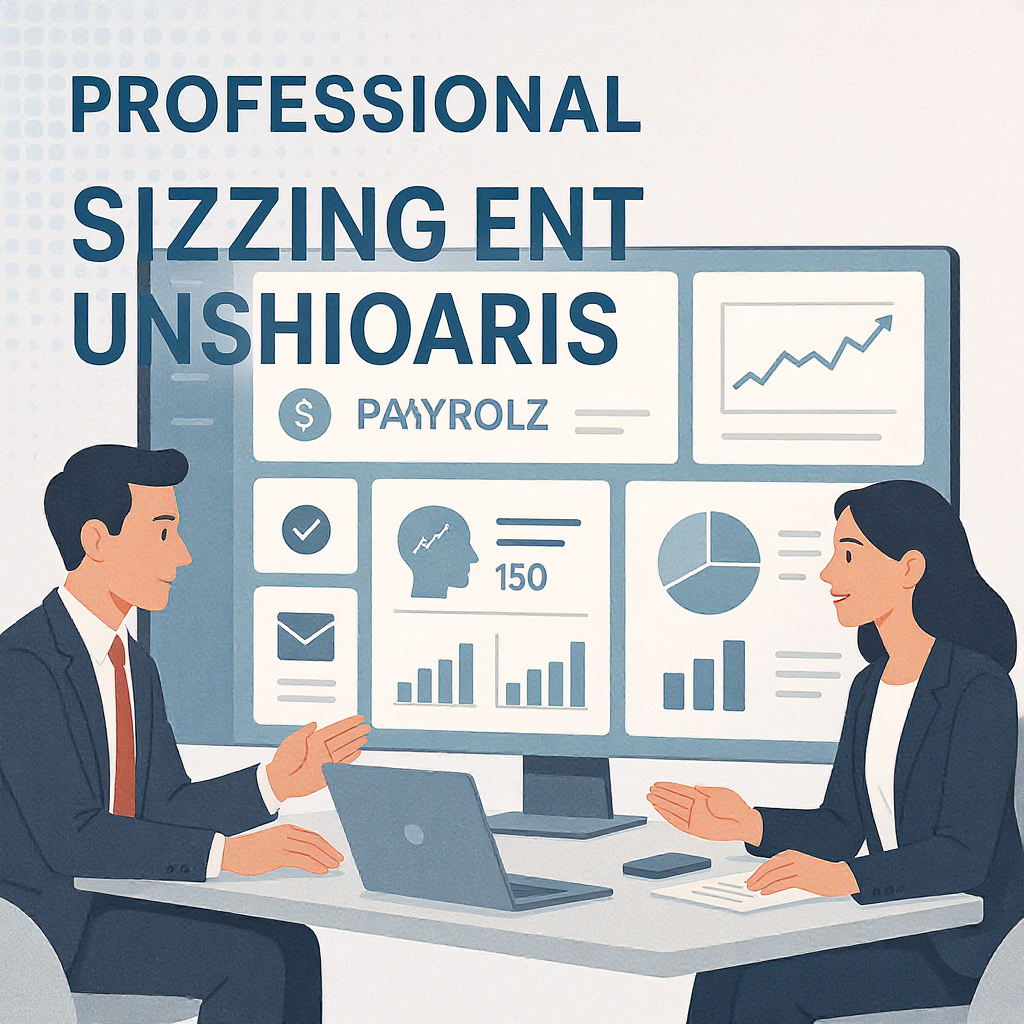
Why Does Enterprise Software Matter So Much?
Let’s start with a harsh truth: disconnected tools are killing productivity. A study by Forbes found that employees spend an average of 20% of their workweek searching for information or switching between apps. That’s one whole day wasted. For businesses running on razor-thin margins, like construction or facilities management, that’s unacceptable.
Enterprise software solutions — like ERP systems or AI-powered recruitment tools — bring everything into one place. Instead of juggling five apps to manage projects, invoices, and payroll, you’ve got a single, integrated system. The result? Less chaos, more control.
Take JobNext ERP as an example. Contractors using cloud ERP have reported up to 20% faster project execution. Why? Because they’re not wasting time reconciling spreadsheets or chasing down missing data.
Real-World Examples: When Enterprise Software Works (and When It Doesn’t)
Let’s not sugarcoat it — enterprise software isn’t magic. If you pick the wrong tool or fail to implement it properly, it can actually make things worse. Gartner estimates 70% of ERP projects miss their goals. But the ones that succeed share a common trait: they start small and scale up.
For instance, Al Nab’a Services, a 6,000-employee facilities management firm, transformed operations by adopting an ERP system in phases. They didn’t try to digitize everything at once. Instead, they focused on automating payroll first, cutting their cycle from 21 days to just a few hours. Once that was running smoothly, they tackled contract management. Read their story here.
On the flip side, I’ve seen businesses rush into full-scale ERP rollouts without involving their teams. The result? Confusion, resistance, and systems no one uses. So, here’s my advice: start with your biggest pain point. Solve that first. Build momentum before expanding.
SaaS Platforms: The New Standard
If you’re still thinking, “This sounds expensive,” you’re not wrong — traditional enterprise software used to cost a fortune. But SaaS (Software-as-a-Service) platforms have changed the game. Instead of spending millions up front, you pay a subscription fee. It’s predictable, scalable, and often more secure than on-premise systems.
Platforms like TalentNext AI for recruitment or CommunityTix for event ticketing show how versatile SaaS can be. TalentNext, for example, uses AI to screen candidates faster and more accurately, saving HR teams hundreds of hours per year. And CommunityTix lets small organizations manage ticket sales with zero technical expertise.
The Skeptics’ Corner: Is It Right for Your Business?
You might be thinking, “This all sounds great, but what if my business is too small for enterprise software?” Fair question. If you’re a five-person startup, you probably don’t need a full ERP system. But even small businesses can benefit from SaaS tools. For example, a simple project management platform like Trello or Asana can replace endless email threads.
For mid-size businesses, though, enterprise software isn’t just nice to have — it’s essential. If you’re managing multiple projects, cross-functional teams, or complex supply chains, disconnected tools will eventually fail you. And when they do, it’s not just efficiency you’ll lose. It’s money, clients, and maybe even your reputation.
Final Thoughts
Enterprise software solutions aren’t just for Fortune 500 companies anymore. They’re for any business that’s tired of wasting time and money on inefficient processes. The key is choosing the right tool and implementing it the right way. Need proof? Check out this post on how international contractors use ERP to manage projects across three time zones. It’s not hype — it’s real, measurable impact.
Still unsure where to start? Begin with your biggest bottleneck. Fix that. And if you need help, well, that’s what we’re here for.
Learn more at JobNext.ai - Construction ERP