Why Do Businesses Struggle With Growth?
Let’s face it—managing a business is messy. You’ve got data scattered across spreadsheets, emails, and standalone apps that don’t talk to each other. Procurement delays kill momentum. Employees waste hours on manual tasks. And worst of all, you don’t realize how much it’s costing you until it’s too late. Sound familiar?
This is where enterprise software solutions come in. They aren’t just tools—they’re lifelines for scaling businesses. But not all solutions are created equal. Choose the wrong one, and you might end up with more problems than you started with.
What Makes Enterprise Software So Powerful?
At their core, enterprise solutions bring order to chaos. Instead of juggling 10 different systems, you centralize everything in one place. That means real-time data, streamlined workflows, and better decision-making. For example, a cloud-based ERP like JobNext ERP gives construction contractors visibility into project costs down to the last BOQ line item. That’s not just convenient—it’s the difference between profit and loss.
But it’s not just about saving money. Enterprise software also frees up your team to focus on higher-value work. Think about it: if your HR team isn’t drowning in resumes, they can focus on finding the right talent. Tools like TalentNext AI take over the repetitive tasks, like resume screening, so your team can focus on strategy.
The SaaS Advantage
Why SaaS? Because buying and maintaining on-premise software is a nightmare. You’re looking at high upfront costs, endless upgrades, and a tech team just to keep things running. SaaS platforms eliminate all that. You pay a subscription fee, and everything else—updates, security, scaling—gets handled in the background.
Take CommunityTix for example. It’s a SaaS platform designed for event ticketing. Small organizations don’t have the bandwidth to develop custom solutions or manage servers. CommunityTix lets them sell tickets online, track attendees, and manage payments—all without breaking the bank.
The Catch: It’s Not a Magic Wand
Here’s the thing: enterprise software can’t fix a broken business model. It’s not going to save you if your processes are fundamentally flawed. Before you invest, you need to map out your pain points. Where are you losing time? Where are you bleeding money? Only then can you choose the right software to solve those problems.
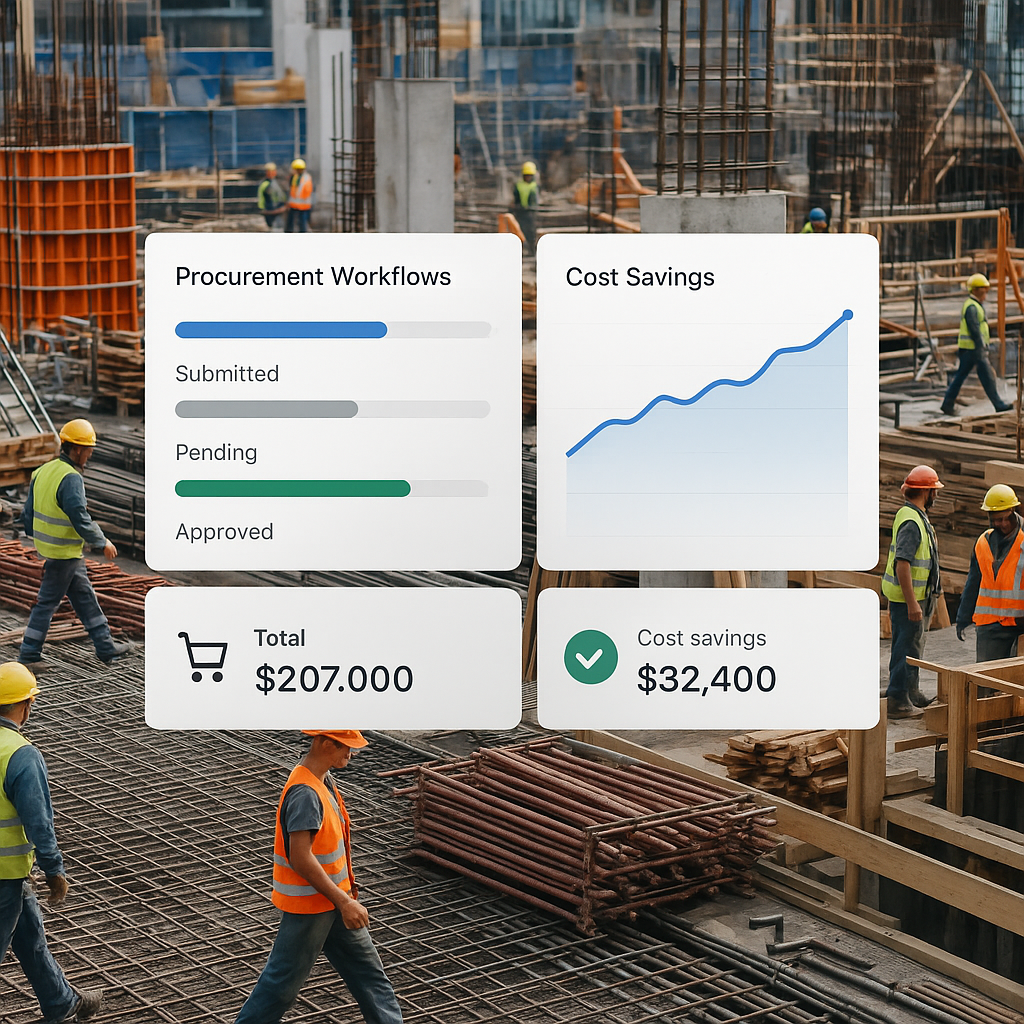
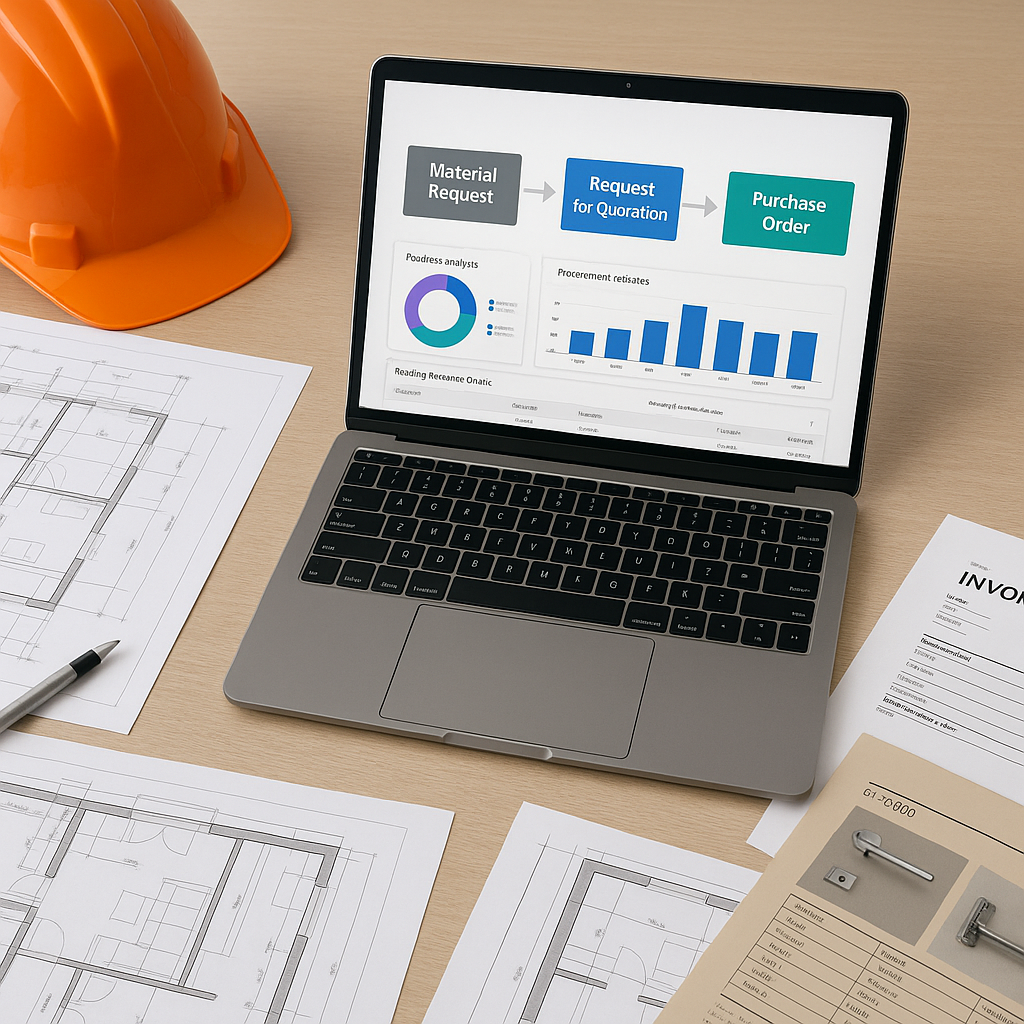
Take procurement as an example. Many contractors think their chaotic processes are “just how things are.” But the truth is, poor procurement can destroy your margins. In this post, we talk about how a cloud ERP fixes this by automating RFQs, tracking POs, and centralizing vendor communication. It’s not rocket science, but it works.
How to Get Started
Ready to take the plunge? Start small. Test one department or process before rolling it out company-wide. And don’t skimp on training—your team needs to actually use the software for it to pay off.
Most importantly, don’t fall for flashy features you don’t need. Focus on solving your top 3 pain points. Whether it’s cost tracking, recruitment, or event management, there’s a SaaS platform out there built for you. The key is finding one that actually works for your business—not just one that looks good on paper.
Learn more at JobNext.ai - Construction ERP