Why Mid-Sized Companies Struggle Without Enterprise Software
Let’s get real: most mid-sized businesses run on a patchwork of tools that don’t play nice together. Spreadsheets for finances, email for communications, WhatsApp for updates, and maybe some legacy software nobody really likes but everyone tolerates. Sound familiar?
Here’s the problem: this approach works until it doesn’t. It’s fine when you’re managing one project or hiring a handful of people. But as your business scales, these disconnected tools turn into productivity killers. Missed deadlines, manual errors, and endless back-and-forth emails become the norm.
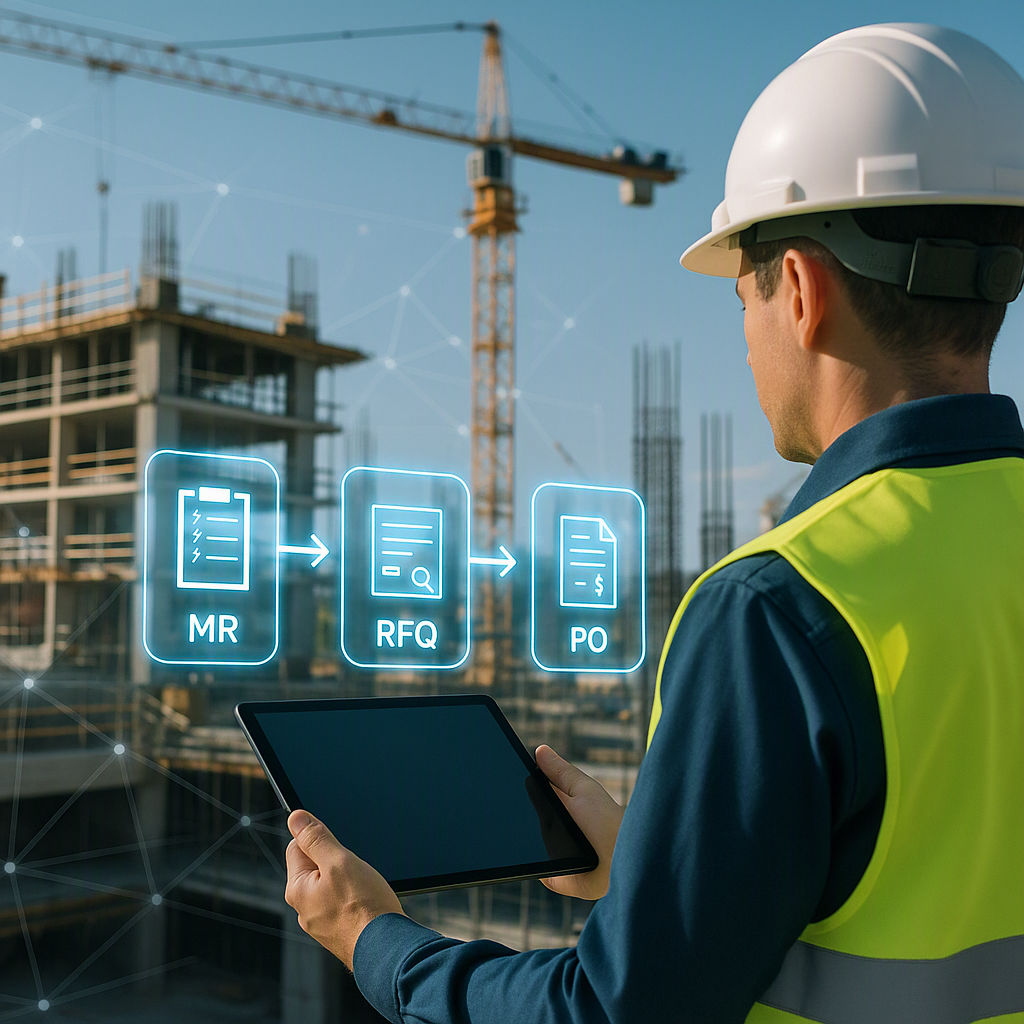
Take construction contractors, for example. A project manager might be trying to track material orders, labor schedules, and project budgets using separate systems. The result? Delays, cost overruns, and frustrated teams. According to JobNext’s post on tool fragmentation, this kind of setup isn’t just inconvenient — it’s a direct hit to your bottom line.
What Enterprise Software Actually Does
At its core, enterprise software brings everything under one roof. Whether it’s an ERP like JobNext for construction or a platform like TalentNext for recruitment, the goal is the same: connect your processes, people, and data. This isn’t just about saving time (though it will). It’s about making smarter decisions and being able to move faster.
For instance, in recruitment, a tool like TalentNext doesn’t just help you track applicants. It uses AI to screen resumes, predict candidate fit, and even schedule interviews automatically. That’s not just efficiency — it’s a game-changer for companies trying to hire in competitive industries.
In construction, we’ve seen how mobile apps can transform field-to-office communication. A standout example is detailed in this JobNext blog, which explains how real-time updates help project managers avoid costly delays. When field conditions change, everyone — from site supervisors to the finance team — knows immediately. No more waiting on end-of-day reports or guessing what’s happening on-site.
The Catch: It’s Not Magic
Here’s the thing: enterprise software isn’t a magic wand. It’s a tool. And like any tool, it’s only as good as how you use it. The biggest mistake we see? Trying to do everything at once. Migrating your entire operation to new software in one go is a recipe for disaster.
A smarter approach is phased implementation. Start with the area where you’ll see the biggest impact quickly. For example, JobNext’s phased ERP strategy is a practical guide for contractors. It shows how tackling payroll first — a high-friction, high-impact area — can build momentum for the rest of the rollout.
What About the Cost?
You might be thinking, "Sure, this sounds great, but can I afford it?" The better question is: can you afford not to? Disconnected systems and manual processes cost more than you think. One error in a spreadsheet can cascade into missed invoices or overpaid vendors. And if you’re in an industry like construction, where margins are razor-thin, that’s a blow you can’t take repeatedly.
That said, not all enterprise software has to break the bank. SaaS platforms like those we build at SoftNext Solutions are designed to scale with your business. You pay for what you need, when you need it. No massive upfront investment, no hidden costs.
Final Thoughts
Enterprise software is not just for Fortune 500 companies. It’s for any business ready to ditch inefficiency and set themselves up for growth. Whether you’re managing multi-million dollar construction projects with JobNext or hiring for critical roles with TalentNext, the right tools make all the difference.
But remember, the tools are just the start. Success comes from a clear plan, phased implementation, and a willingness to rethink how you work. Because real transformation? It’s never just about the software.
Learn more at JobNext.ai - Construction ERP