Construction ERP in 2026: Not Optional, But Essential
By 2026, construction firms that still rely on spreadsheets or disconnected tools will be fighting an uphill battle. Why? Because the industry isn’t forgiving inefficiencies anymore. Clients expect real-time updates, tighter budgets leave zero room for errors, and compliance requirements keep growing. A modern ERP isn’t a luxury — it’s survival.
But here’s the thing: not all ERPs are created equal, and the wrong system can do more harm than good. So, what should contractors demand from their ERP by 2026? Let’s break it down.
1. Mobile-First, Field-Ready
Construction sites aren’t offices. Your team isn’t sitting at desks; they’re on-site, walking through mud, or working from scaffolding. If your ERP doesn’t work seamlessly on mobile devices, it’s already outdated.
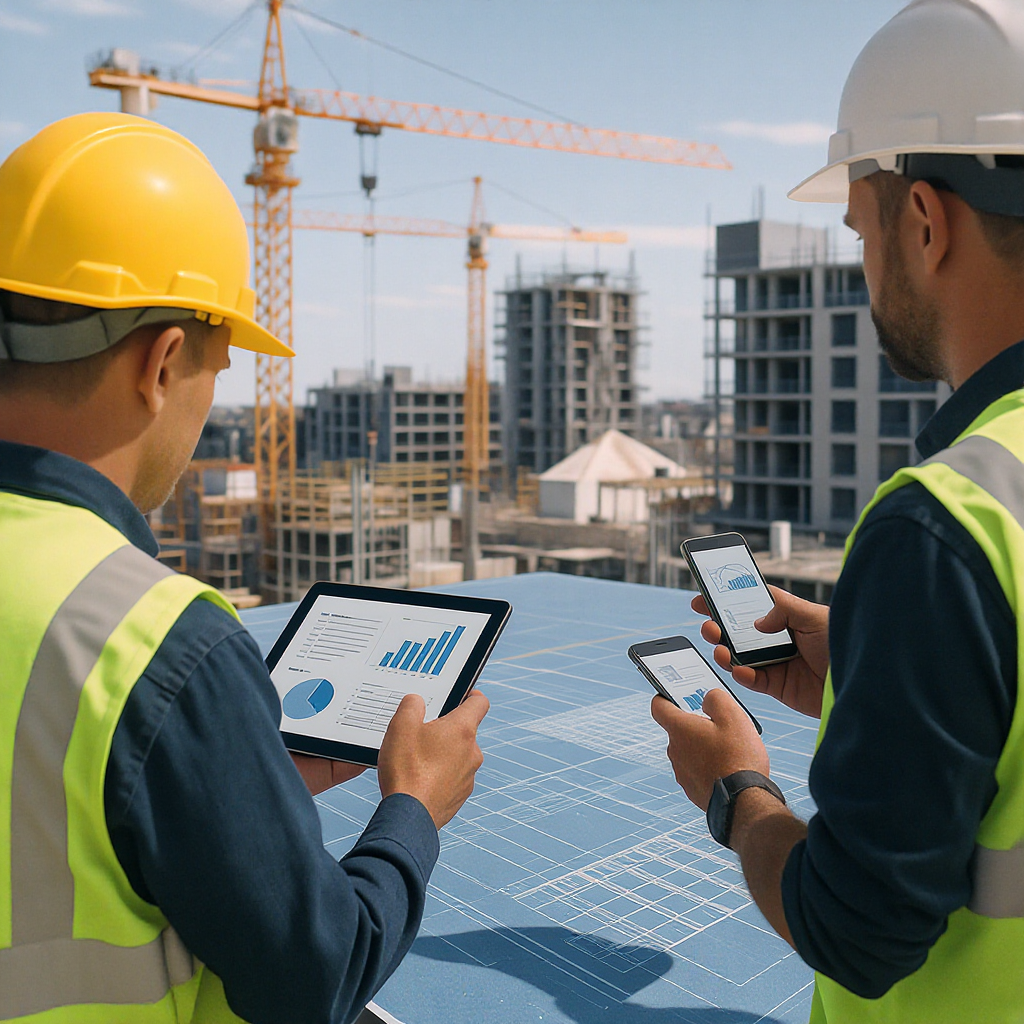
Field-to-office connectivity is no longer a “nice-to-have.” It’s a must. A good system lets your crew log site updates, track inventory, or flag safety issues directly from their phones. Tools like JobNext ERP, for example, allow real-time data sync between site and HQ, eliminating blind spots that lead to delays. Read more about how mobile apps are transforming construction here. If your ERP can’t do this, it’s holding you back.
2. AI-Driven Forecasting
We’ve seen what AI can do for preconstruction estimating — like cutting estimation time by 50% and improving bid accuracy to 97% (source). By 2026, AI won’t just be about bidding; it’ll be critical for project planning.
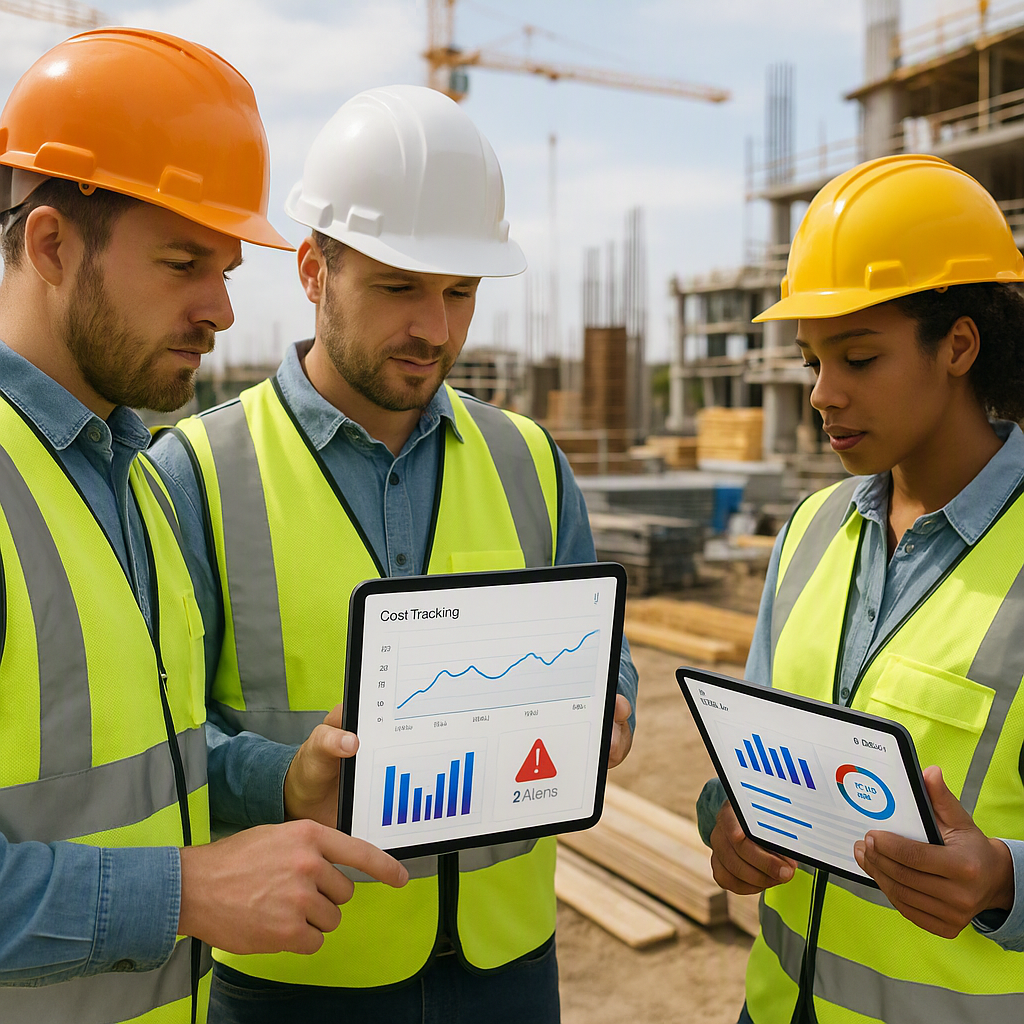
Imagine AI that predicts project delays based on weather, crew performance, or supply chain disruptions. Or systems that recommend cost-saving measures based on historical data. If your ERP doesn’t leverage AI to help you anticipate problems, you’re stuck reacting instead of preventing.
3. Integrated Supply Chain Management
You’ve felt it: supply chain chaos is the new norm. Material costs are unpredictable, lead times are stretched, and one delay can domino into major overruns. By 2026, an ERP without built-in supply chain tools will be a liability.
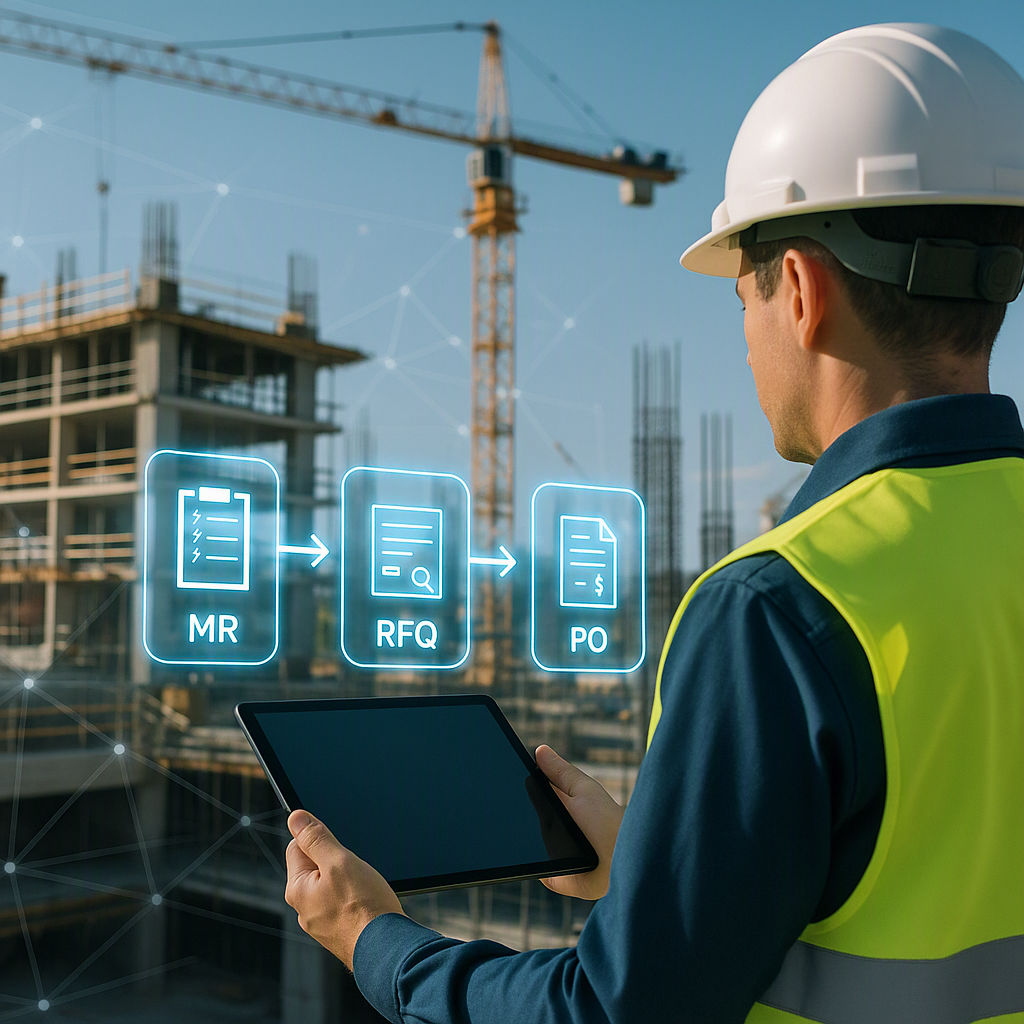
A modern system should track materials in real-time, flag potential delays, and even suggest alternative suppliers. It should also integrate with your subcontractors’ systems. Why? Because fragmented tools breed miscommunication, and miscommunication costs money. Here’s why unified platforms matter.
4. Comprehensive Compliance Tools
Regulations aren’t getting simpler. OSHA, environmental codes, local labor laws — keeping up is a full-time job. And let’s be honest, missed compliance isn’t just a fine. It’s a shutdown.
An ERP for 2026 needs to automate this headache. Think auto-generated compliance reports, safety tracking, and real-time alerts for regulation updates. If your system doesn’t protect you from compliance risks, it’s not doing its job.
5. Scalability for Growth
Here’s a common trap: you pick an ERP that works for now but buckles as your company grows. Whether you’re moving into new markets, taking on larger projects, or scaling your team, your ERP should grow with you.
That means handling multi-country operations, different currencies, and regulatory frameworks. Here’s how international contractors manage complexity. Your ERP should be future-proof, not a short-term patch.
The Bottom Line
2026 will separate the leaders from the laggards in construction. The firms with the right ERP systems will deliver projects faster, stay ahead of compliance, and operate more profitably. Those sticking with outdated tools? They’ll be left behind.
If you’re rethinking your ERP strategy, start by asking: does this system solve today’s problems and tomorrow’s challenges? If the answer isn’t a resounding yes, it’s time to look for better options.
Learn more at JobNext.ai - Construction ERP