Margin Erosion: A Common Challenge
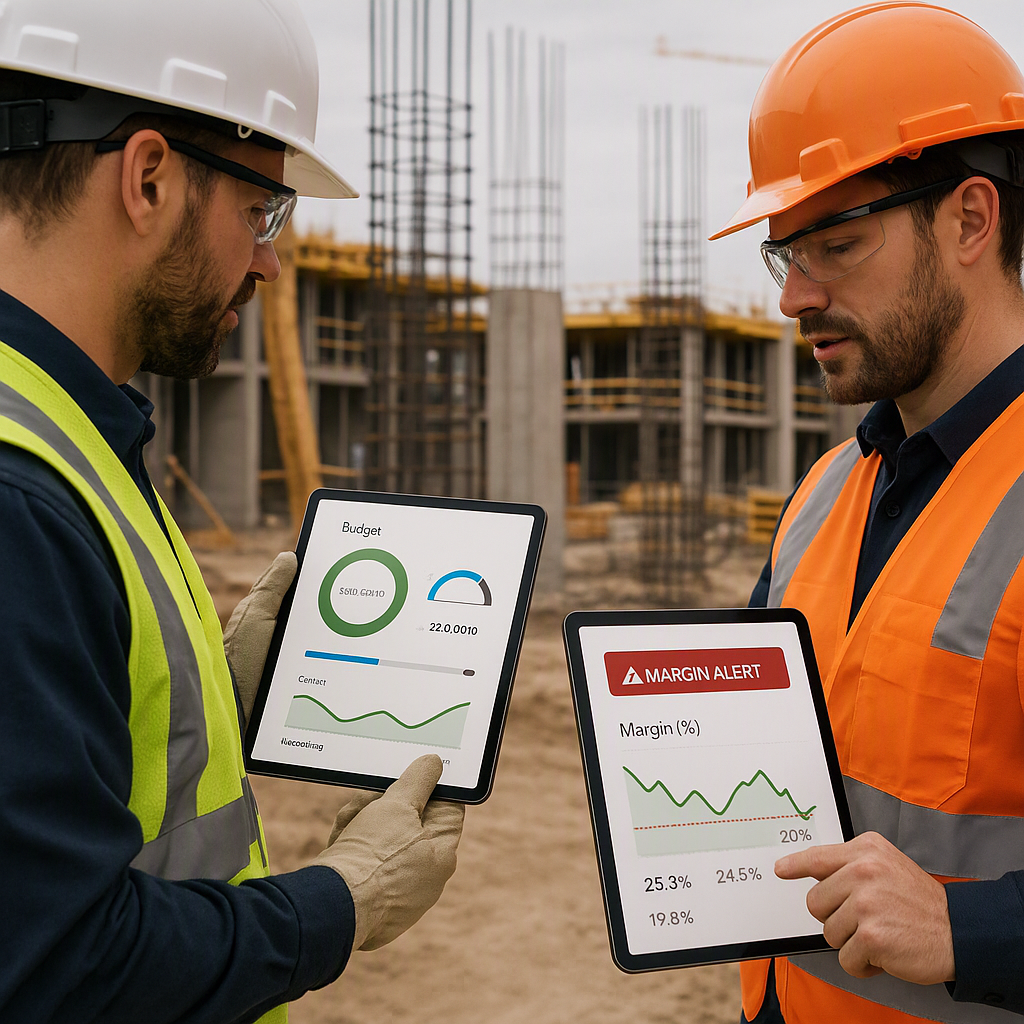
If you're running a construction business, you've probably felt it: that nagging uncertainty about whether your project is actually making money. The Bill of Quantities (BOQ) looked solid during preconstruction. The estimates seemed accurate. But somewhere along the way, costs ballooned, and now you're scrambling to figure out where it all went wrong.
This isn't just bad luck. It's a systemic problem called margin erosion, and it happens more often than you'd like to admit. A 2023 report by McKinsey & Company reveals that nearly 80% of large construction projects experience cost overruns. And it's not just happening on mega-projects—small and mid-sized contractors are just as vulnerable, especially in regions like North America, where the construction sector is grappling with rising material costs and labor shortages.
Why does this happen? Many contractors rely on disconnected systems—spreadsheets for budgeting, accounting software for billing, and maybe nothing at all for procurement tracking. According to McKinsey, this fragmented approach is one of the primary reasons why projects lose visibility into their financial health. By the time you realize you're over budget, it's too late. The damage is done.
The Fix: Real-Time Cost Tracking with Enterprise Software
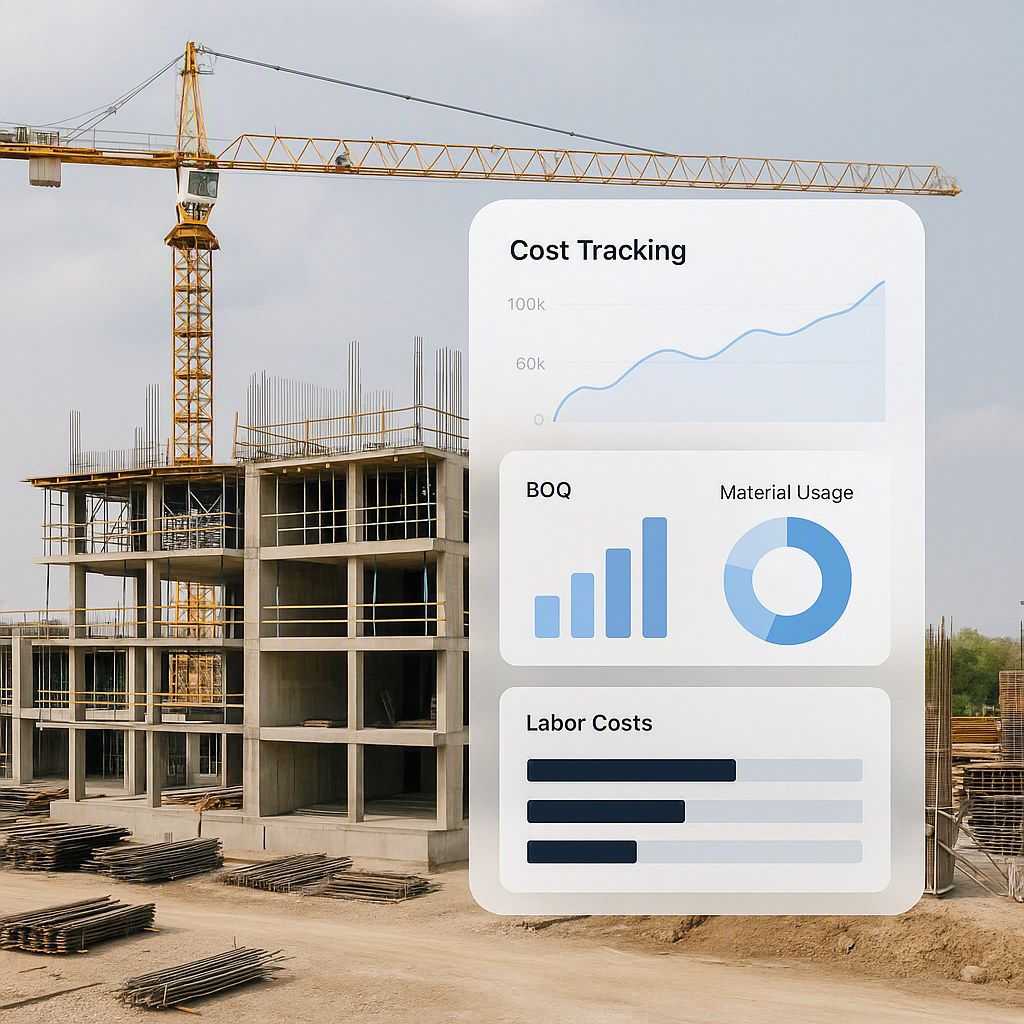
This is where enterprise software solutions come in. They don't just replace your spreadsheets or piecemeal tools; they fundamentally change how you manage costs. Real-time cost tracking ensures you know where your money is going—before it’s gone.
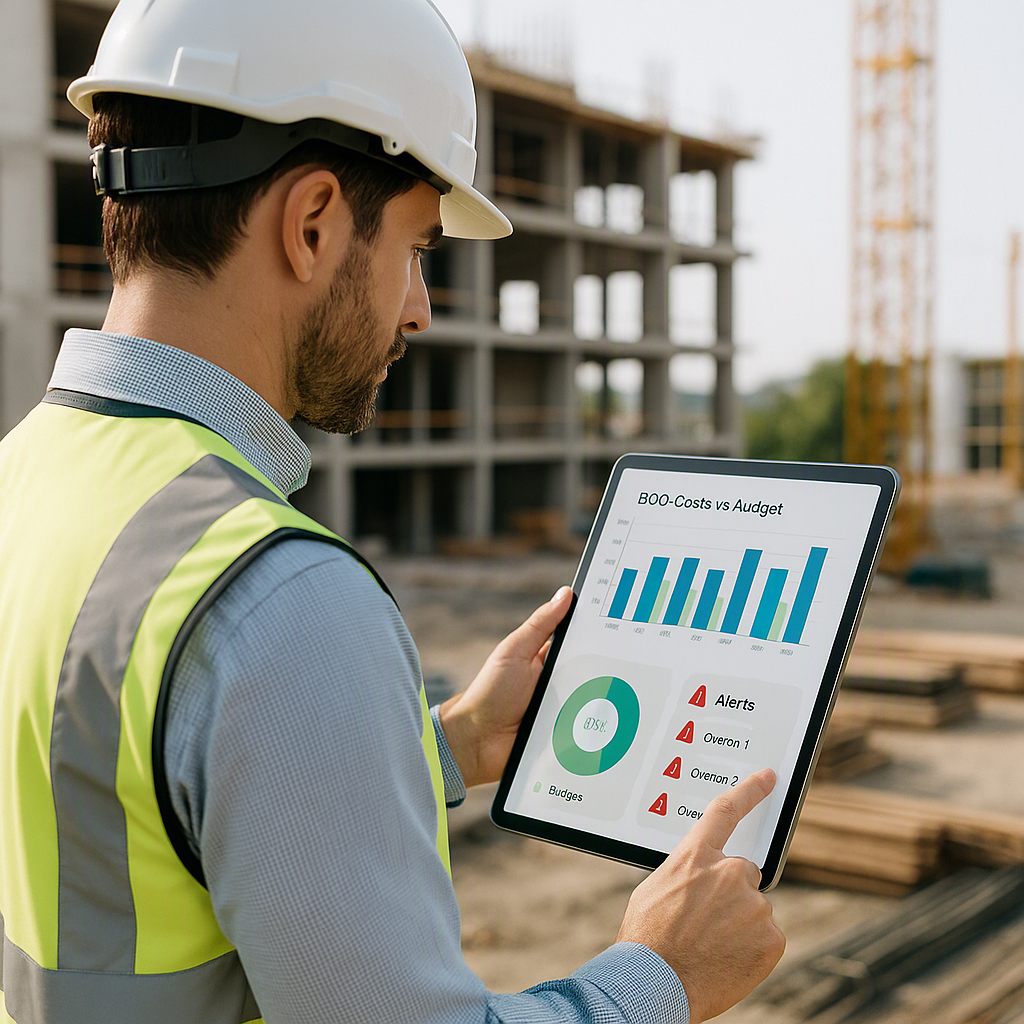
Illustrative example: Imagine a construction project in Chicago where every material purchase, subcontractor payment, and equipment hire is tracked against approved budgets. If material costs start running higher than estimated, or subcontractor costs begin to creep up, the system flags it. Managers get notified before it becomes a full-blown crisis. This proactive approach can help businesses make adjustments in real time to avoid significant losses.
Why the Old Way Stuck Around So Long
It's easy to see why contractors stick to spreadsheets. They're cheap, familiar, and don’t require a big upfront investment. Plus, there’s this sense of control—if it’s in my hands, I can trust it, right? But here's the thing: as soon as your project scales, manual tracking becomes a liability. Errors creep in, approvals get missed, and suddenly, you’re chasing ghosts.
What We Do Differently Now
Switching to enterprise software isn’t a silver bullet. It requires discipline—project managers have to input accurate data, and leadership has to enforce use across the team. But the alternative? Continuing to bleed money.
For businesses that adopt real-time cost tracking, the benefits are clear. By setting up projects with clear BOQs, scoped budgets, and automated alerts, potential overages can be spotted and addressed early, preventing financial losses and ensuring better project outcomes.
What We're Still Figuring Out
The challenge lies in encouraging more businesses to take that first step. The data is clear, the benefits are there, but inertia is real. Change is hard. But if you’re serious about protecting your margins, can you afford not to?
FAQ
1. What is real-time cost tracking?
Real-time cost tracking means monitoring your spending against your budget as it happens. Instead of waiting for monthly reports (or worse, end-of-project audits), you get immediate visibility into where your money is going.
2. How does enterprise software help with cost tracking?
Enterprise software integrates your BOQs, scopes, and estimates into a single platform. It tracks every expense in real time and alerts you to potential overruns before they spiral out of control.
3. Is enterprise software worth it for small contractors?
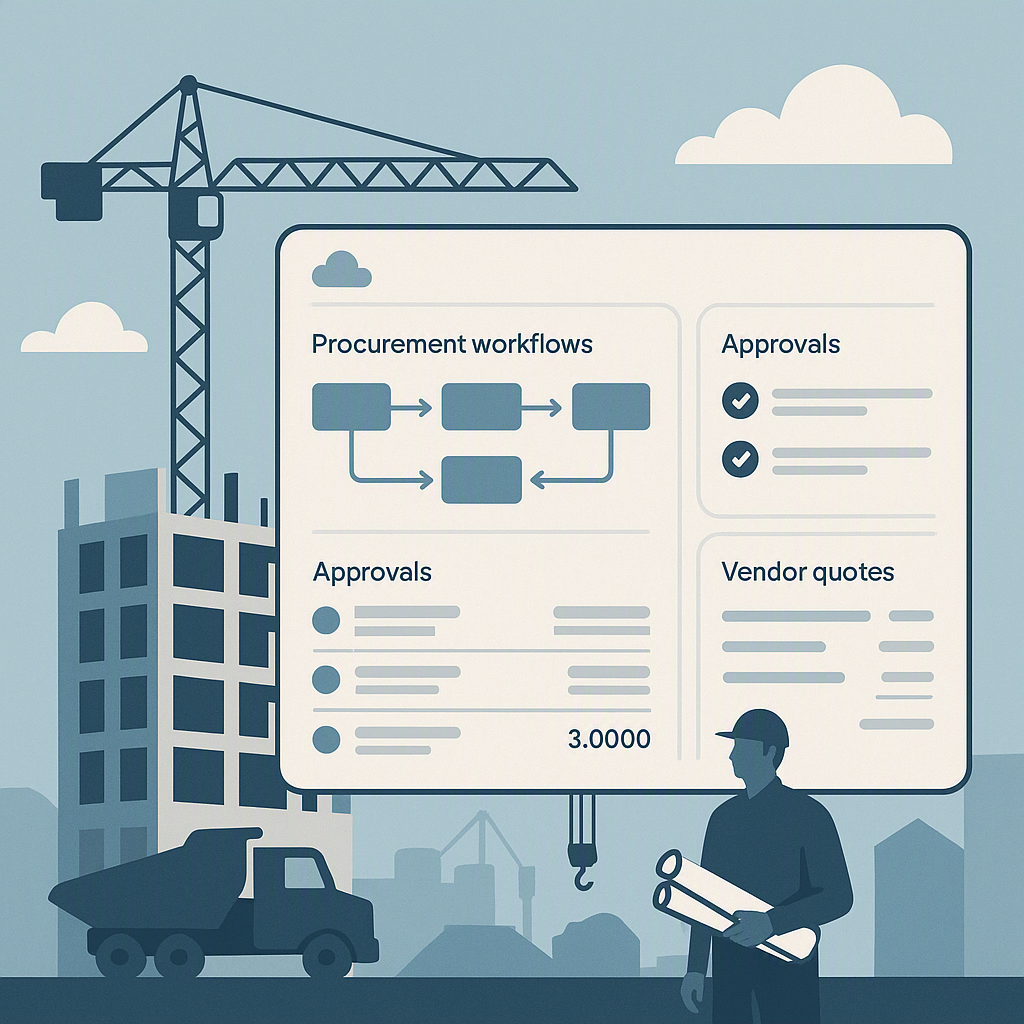
Absolutely. If you're running multiple projects or dealing with complex billing and procurement workflows, a platform designed for your industry can save you time and money by preventing errors and margin erosion.
4. How hard is it to implement enterprise software?
Implementation typically takes a few weeks, not months. Many modern enterprise software solutions are designed to align with existing workflows and are often cloud-based, eliminating the need for extensive hardware installations.
If margin erosion is keeping you up at night, it’s time to take action. Enterprise software solutions can help businesses track costs in real time, protect profits, and simplify operations.
Learn more at JobNext.ai - Construction ERP