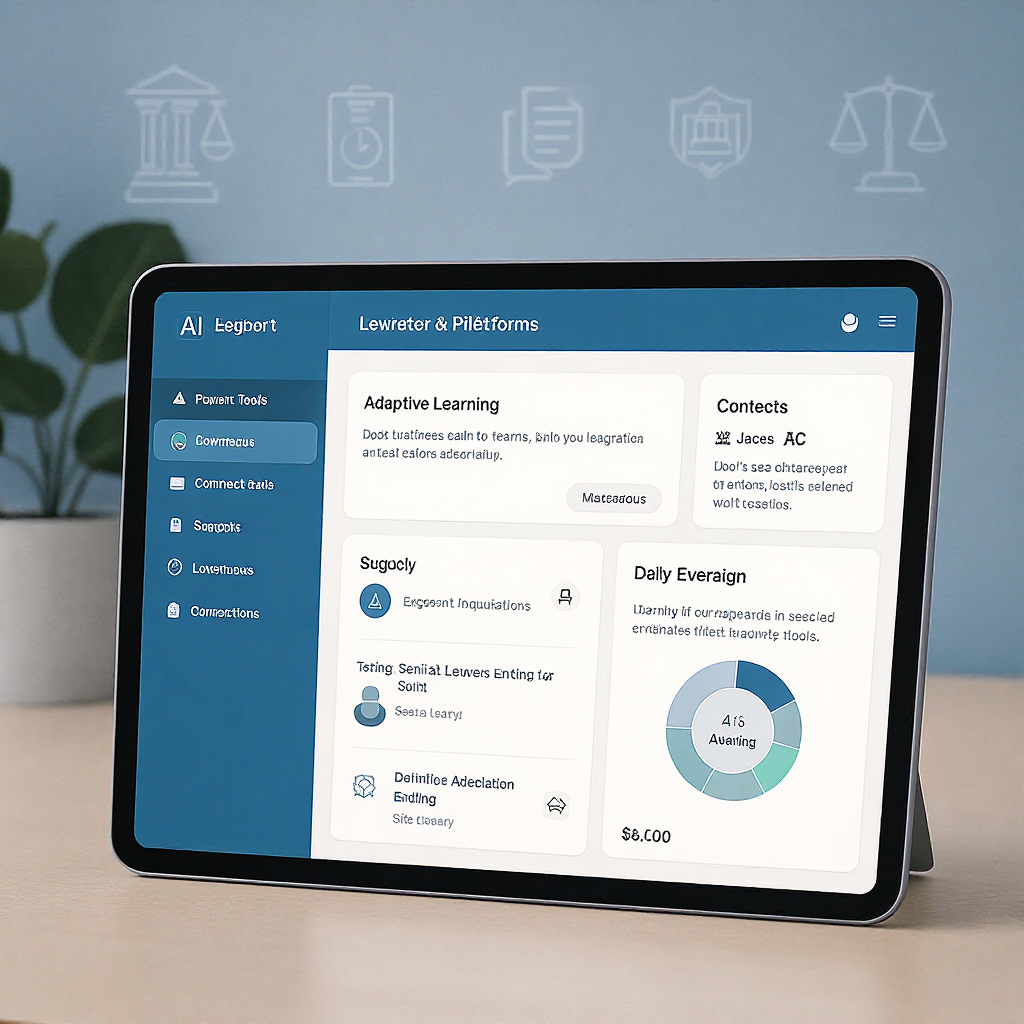
Building EdTech Products: Real Lessons From the Trenches
EdTech sounds simple in theory: combine smart tech with solid educational principles and voilà — you revolutionize learning. But in practice, it's messy. Students don’t behave how you expect. AI doesn’t always deliver. And the gap between what learners need and what developers think they need can destroy a product.
When we built SQE1Prep, our AI-driven platform for legal exam prep, we thought we’d nailed it. Spoiler: we hadn’t. Here are the five lessons we learned the hard way.
1. Learning Styles Are Not Marketing Fluff
Every learner is different. Some need visual aids, others prefer text-heavy content, and some learn best through application. We assumed AI could adapt dynamically to these differences. It can — but only if you feed it the right data upfront.
Take SQE1Prep. We built the AI to analyze user behavior and recommend study paths. Sounds great, right? Except our initial content mix leaned too heavily on textual explanations. Visual learners struggled, and completion rates dropped.
The fix: diversify content early. We integrated videos, infographics, and interactive quizzes (not just endless paragraphs). Completion rates jumped by 24% in three months.
Want to see similar adaptability in another industry? Construction ERPs like JobNext are doing this with field-to-office connectivity — tailoring tools for different roles and workflows. The principle is the same: software works best when it adapts to humans, not the other way around.
2. AI Is Powerful But Not Perfect
AI can predict exam outcomes, suggest study priorities, and even flag weak areas. But it’s not magic. Early users of SQE1Prep complained the AI-generated practice questions felt repetitive — like the system was regurgitating the same themes.
Why? Because our training data was too narrow. We’d trained the AI on common legal exam patterns but missed edge cases. For example, niche topics like “corporate liability in cross-border transactions” weren’t represented well.
Lesson learned: feed your AI diverse, high-quality data. And keep refreshing it. If you're using AI in any product — whether it's exam prep or construction bidding (like this) — don't let your model rely on stale inputs.
3. You Can’t Ignore Motivation
EdTech isn’t just about delivering content; it’s about keeping students engaged. Even the best tools fail if users lose interest halfway through. SQE1Prep’s early version had all the right features (adaptive learning, progress tracking), but our dropout rate hovered at 37%.
Why? We underestimated the psychological aspect. Users weren’t just studying — they were juggling jobs, family, and stress. The platform felt clinical, not supportive.
We added small tweaks: motivational nudges, milestone badges, and weekly progress summaries. It worked. Dropout rates fell to 18%. Sometimes it’s the soft touches that make or break adoption — just like how JobNext emphasizes phased adoption to avoid overwhelming teams.
4. Feedback Isn’t Optional
You think you know what users need. You don’t — unless they tell you. Our team initially resisted adding a feedback loop. We thought, “Why ask users what they want when we can analyze behavior?”
Bad call. When we finally added a feedback widget, users flagged issues we hadn’t spotted. Example: students wanted a way to bookmark tricky questions for later review. It wasn’t hard to implement, but it made a huge difference in user satisfaction.
Lesson: build feedback loops from day one. Whether you're designing EdTech or contractor tools like JobNext, direct user input will save you from blind spots.
5. EdTech Isn’t Just Tech
At the end of the day (yes, we’re breaking our own “banned phrase” rule), EdTech products succeed because they understand education — not just software development. We learned this the hard way, especially when tackling complex legal concepts.
Our initial content relied too heavily on AI’s ability to simplify explanations. Users complained it was “too basic” for their needs. Turns out, AI explanations are great for general knowledge but need human refinement for deep, specialized topics.
Now we blend AI with expert input. Human educators review every AI-generated answer for accuracy and depth. It’s slower but worth it. If you’re building any software that intersects with expertise (construction, legal, healthcare), never let the tech replace the experts entirely.
Final Thoughts
EdTech is rewarding but brutal to get right. If we’ve learned anything from building SQE1Prep, it’s this: don’t over-rely on AI, prioritize user engagement, and make your product adaptable. These lessons don’t just apply to education. Whether you’re managing construction projects across borders (like this) or designing exam prep platforms, the principles are universal.
Got an EdTech product idea? Be prepared to iterate — a lot.
Learn more at JobNext.ai - Construction ERP